- Acute lobar nephronia, a severe focal bacterial infection of the kidney, is increasingly recognized due to advancements in diagnostic imaging and heightened clinical awareness, making it a critical focus area within the broader urinary tract infection treatment landscape
- The growing demand for early, effective antimicrobial therapy, along with the need to prevent disease progression to renal abscesses, is fueling the demand for accurate diagnosis and targeted treatment strategies in both pediatric and adult populations.
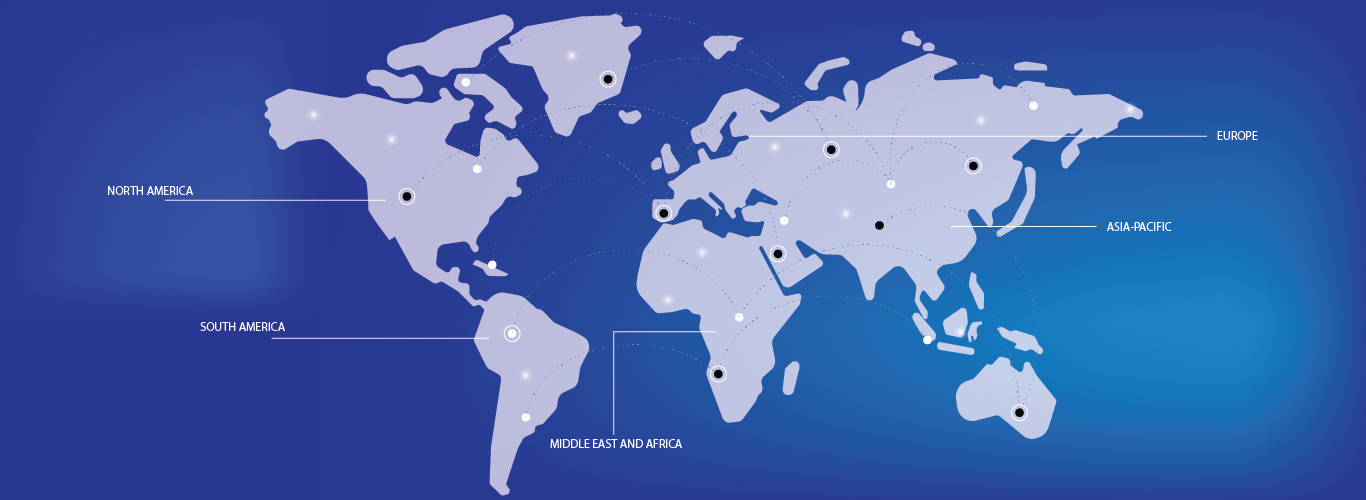
- North America dominated the acute lobar nephronia treatment market with the largest revenue share of 42% in 2024, attributed to advanced healthcare infrastructure, early adoption of imaging diagnostics (such as CT and MRI), and a high prevalence of urinary tract infections requiring hospitalization. In particular, the U.S. contributes significantly to this growth, with increased awareness among healthcare providers and expanded access to broad-spectrum intravenous antibiotics
- Asia-Pacific is expected to witness the fastest growing region in the acute lobar nephronia treatment market during the forecast period, with a CAGR of 9.3%, driven by rising rates of UTIs, expanding hospital access in emerging economies, and government efforts to improve infectious disease management
- The parenteral segment dominated the acute lobar nephronia treatment market with a market share of 43.2% in 2024, driven by its critical role in managing moderate to severe infections that require hospitalization. Drugs such as third-generation cephalosporins and beta-lactamase inhibitors are commonly administered intravenously during the acute treatment phase, reinforcing the segment’s dominance due to their rapid efficacy, broad-spectrum activity, and clinical preference for inpatient care