- The aerospace interior adhesive market is primarily driven by the increasing demand for lightweight and fuel-efficient aircraft. As airlines strive to reduce emissions and operational costs, interior components that require strong, lightweight adhesives are seeing greater demand across both commercial and military aviation sectors.
- The market is benefiting from growing aircraft production and refurbishment projects, particularly in developing regions. Adhesives play a vital role in bonding interior components such as panels, seats, flooring, overhead bins, and decorative trims—contributing to both functionality and aesthetics.
- Rising focus on passenger safety and comfort is accelerating the adoption of low-VOC (volatile organic compounds), fire-retardant, and FST (flame-smoke-toxicity)-compliant adhesives. Regulatory frameworks like FAR 25.853 in the U.S. and EASA CS-25 in Europe are pushing manufacturers to innovate safer, compliant adhesives for aircraft interiors.
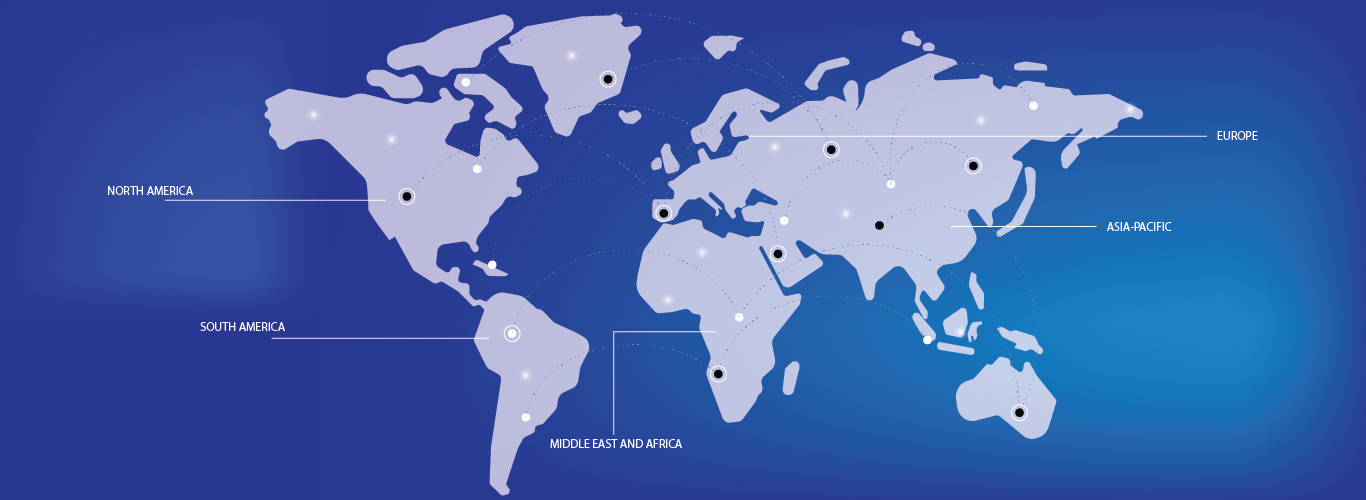
- North America, Europe, and Asia-Pacific are the key markets, driven by strong aerospace manufacturing bases, rising demand for regional jets, and high investments in aircraft modernization. The Asia-Pacific region is expected to see the fastest growth, supported by growing air travel, expanding low-cost carriers, and indigenous aircraft production programs.
- For instance, in June 2021, Henkel, in partnership with Boeing, launched a two-part epoxy adhesive, Loctite 9365FST. This adhesive complies with international EH&S and REACH regulations and meets industrial standards for fire retardancy, smoke density, and toxicity (FST). It is specifically designed for applications in aerospace interiors, enhancing safety and performance.