- The agricultural surfactant market is witnessing steady growth as manufacturers focus on enhancing product formulations to improve the performance and compatibility of agrochemicals. This trend is encouraging collaborations between chemical companies and agricultural technology providers to support innovation in crop protection products
- The current market landscape shows a shift toward the use of non-ionic surfactants due to their versatility and effectiveness across a range of pesticide applications. Surfactant producers are also investing in research to create more biodegradable and plant-derived alternatives that align with sustainable farming practices
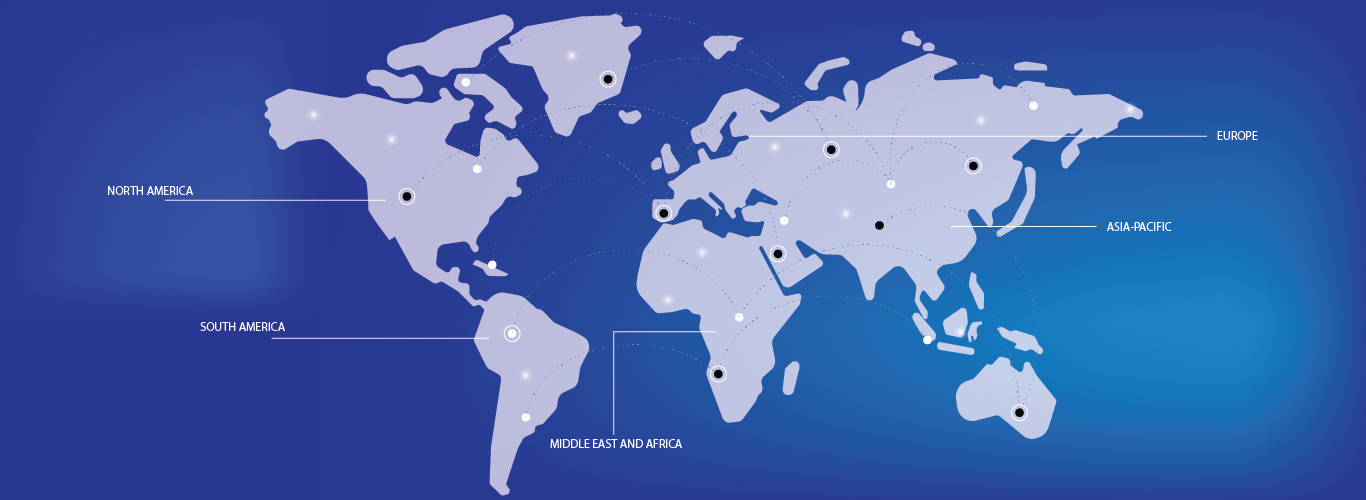
- North America is estimated to hold the largest revenue share of the agricultural surfactant market in 2025, with figures ranging from 30% to 36% based on available reports. This is attributed to the region's established agricultural industry, high expenditure on agriculture, and strong adoption of advanced farming techniques and products
- Asia-Pacific is projected to be the fastest-growing region in the agricultural surfactant market during the forecast period due to increasing urbanization, rising disposable incomes, and technological advancements in countries such as China, India, and Japan
- The non-ionic segment dominates the largest market revenue share of 29% in 2025, driven by its broad compatibility with various agrochemicals and its effectiveness in reducing surface tension for better spray coverage. Farmers often prefer non-ionic surfactants for their versatility and ability to enhance the performance of a wide range of pesticides and fertilizers