- Global warming and prolonged heatwaves have significantly increased the demand for air conditioning systems. Urbanization, rising middle-class income, and lifestyle upgrades, especially in Asia-Pacific and the Middle East, are key contributors. Residential and commercial construction booms also continue to push sales of AC units worldwide.
- Manufacturers are focusing on inverter technology, smart thermostats, and IoT integration to meet growing energy efficiency standards. Eco-friendly refrigerants and green certifications are becoming industry norms. Consumer demand for quieter, faster-cooling, and low-maintenance units is also driving innovation, helping companies stay competitive in an evolving global market.
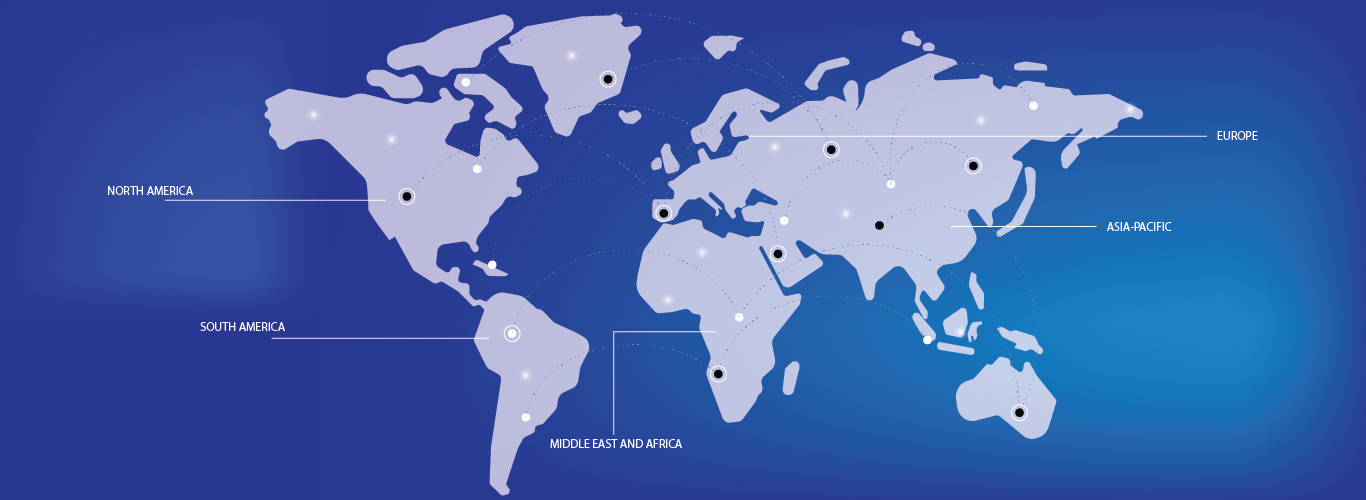
- Asia-Pacific dominates the global air conditioning market, accounting for approximately 55% of total market share. This growth is driven by rapid urbanization, rising disposable incomes, and increasing temperatures in countries like China, India, and Southeast Asia. Expanding construction activities and growing demand for residential and commercial cooling solutions fuel regional dominance.
- The Middle East & Africa region is projected to be the fastest-growing in the global air conditioning market. Driven by extreme climatic conditions, rapid urbanization, and infrastructure development, particularly in Gulf countries, the region is witnessing surging demand for cooling solutions, with strong investments in smart and energy-efficient HVAC technologies.
- The Window AC segment is expected to dominate the air conditioner market with approximately 45% market share, driven by its cost-effectiveness, simplicity, and strong demand in residential sectors across developing regions like Asia-Pacific and Latin America.