- Anti-obesity medications, designed to support weight loss by suppressing appetite, blocking fat absorption, or increasing metabolism, are becoming crucial tools in combating the global obesity epidemic, especially when combined with lifestyle modifications and clinical supervision. These solutions are increasingly integrated into chronic disease management frameworks for improved health outcomes
- The escalating demand for anti-obesity medications is primarily fueled by the rising prevalence of obesity-related conditions such as type 2 diabetes, cardiovascular diseases, and sleep apnea, alongside growing awareness of the long-term health risks associated with excess weight
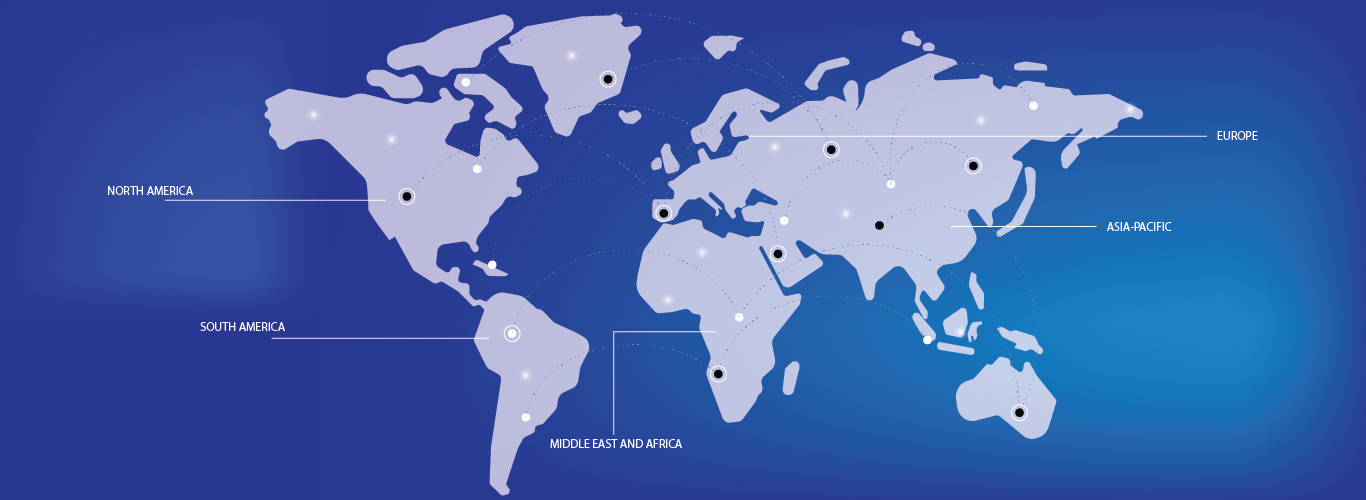
- North America dominated the anti-obesity medication market with the largest revenue share of 39.7% in 2024, driven by widespread obesity prevalence, supportive reimbursement policies, and the early adoption of newly approved anti-obesity drugs such as GLP-1 receptor agonists. The U.S., in particular, is witnessing strong growth in prescriptions as more primary care providers adopt pharmacologic treatment for obesity alongside lifestyle interventions
- Asia-Pacific is expected to be the fastest growing region in the anti-obesity medication market during the forecast period, projected to expand at a CAGR of 11.2% from 2025 to 2032, due to increasing urbanization, changing dietary habits, and rising awareness regarding obesity-related health risks. Emerging economies such as China and India are seeing significant investment in obesity care programs
- The Approved segment dominated the anti-obesity medication market with a market revenue share of 62.5% in 2024, driven by increasing regulatory approvals of new weight-loss drugs and the growing trust among healthcare professionals in evidence-backed therapies. The effectiveness and safety of these medications in managing obesity-related conditions have made them the preferred option in clinical settings