- Antifungal drugs, which are used to treat a wide range of superficial and systemic fungal infections, are becoming increasingly critical in modern healthcare systems due to the rise in immunocompromised patient populations, including those with cancer, HIV/AIDS, and those undergoing organ transplants
- The escalating demand for antifungal drugs is primarily fueled by the increasing prevalence of fungal infections, the emergence of drug-resistant fungal strains, and the growing awareness of early and effective treatment approaches
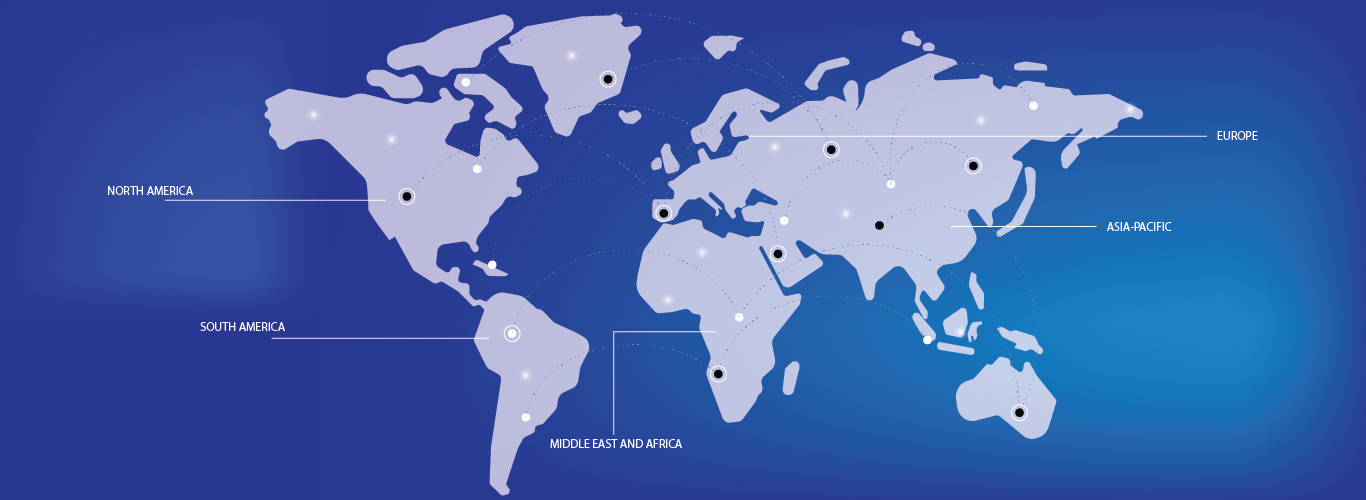
- North America dominated the antifungal drugs market with the largest revenue share of 37.6% in 2024, characterized by the presence of advanced healthcare infrastructure, high healthcare expenditure, and robust R&D activity. The U.S. is witnessing substantial growth in antifungal drug adoption due to rising cases of invasive fungal infections and growing approvals of innovative antifungal therapies by regulatory authorities such as the FDA
- Asia-Pacific is expected to be the fastest growing region in the antifungal drugs market with a percentage of 21.7% in the antifungal drugs market during the forecast period due to the increasing burden of fungal diseases, growing geriatric population, and improving access to healthcare in countries such as China and India
- The azoles segment dominated the antifungal drugs market with a market share of 43.2% in 2024, driven by its broad-spectrum activity, lower toxicity, and extensive usage in the treatment of both superficial and systemic fungal infections