


Antisense Oligonucleotide for Cardiometabolic Disorders Market Size
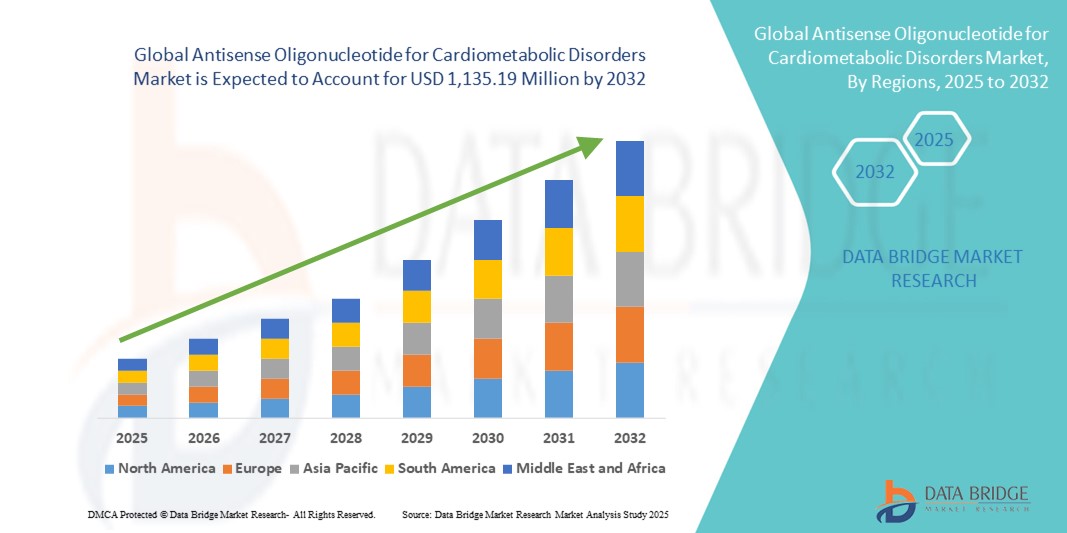
- The global antisense oligonucleotide for cardiometabolic disorders market size was valued at USD 310.32 million in 2024 and is expected to reach USD 1,135.19 million by 2032, at a CAGR of 17.60% during the forecast period
- The market growth is primarily driven by the rising prevalence of cardiometabolic diseases, including hypercholesterolemia, diabetes, and obesity, coupled with increasing demand for gene-specific therapies that offer precise and targeted treatment outcomes
- In addition, growing investments in RNA-based therapeutics, along with continued advancements in antisense oligonucleotide design, delivery systems, and regulatory approvals, are reinforcing the market's momentum. These factors are accelerating clinical adoption and pipeline expansion, thereby significantly propelling the industry's growth
Antisense Oligonucleotide for Cardiometabolic Disorders Market Analysis
- Antisense oligonucleotides (ASOs), which enable gene-specific silencing by targeting mRNA transcripts, are emerging as crucial therapeutic tools in the management of cardiometabolic disorders such as hyperlipidemia, type 2 diabetes, and obesity-related complications, due to their high specificity, disease-modifying potential, and compatibility with precision medicine strategies
- The growing demand for ASO therapies is primarily driven by the increasing global burden of cardiometabolic diseases, limitations of traditional drug classes, and rising adoption of RNA-based therapeutics offering long-acting efficacy and fewer systemic side effects
- North America dominated the antisense oligonucleotide for cardiometabolic disorders market with the largest revenue share of 42.1% in 2024, owing to a robust biotech ecosystem, significant R&D investments, and multiple ongoing clinical trials, particularly in the U.S., where regulatory momentum and strategic collaborations are advancing ASO-based cardiovascular and metabolic treatments
- Asia-Pacific is expected to be the fastest growing region in the antisense oligonucleotide for cardiometabolic disorders market during the forecast period, due to the rapidly increasing incidence of diabetes and obesity, rising healthcare expenditures, and growing interest in advanced RNA therapeutics across China, India, and Japan
- The RNA degradation segment dominated the antisense oligonucleotide for cardiometabolic disorders market with a share of 46.8% in 2024, driven by its superior efficacy in silencing disease-driving genes such as PCSK9 and APOC3, along with its growing presence in late-stage clinical pipelines for lipid and glucose regulation
Report Scope and Antisense Oligonucleotide for Cardiometabolic Disorders Market Segmentation
|
Attributes |
Antisense Oligonucleotide for Cardiometabolic Disorders Key Market Insights |
|
Segments Covered |
|
|
Countries Covered |
North America
Europe
Asia-Pacific
Middle East and Africa
South America
|
|
Key Market Players |
|
|
Market Opportunities |
|
|
Value Added Data Infosets |
In addition to the insights on market scenarios such as market value, growth rate, segmentation, geographical coverage, and major players, the market reports curated by the Data Bridge Market Research also include in-depth expert analysis, pricing analysis, brand share analysis, consumer survey, demography analysis, supply chain analysis, value chain analysis, raw material/consumables overview, vendor selection criteria, PESTLE Analysis, Porter Analysis, and regulatory framework. |
Antisense Oligonucleotide for Cardiometabolic Disorders Market Trends
Precision-Based Gene Targeting Through RNA Therapeutics
- A significant and accelerating trend in the global antisense oligonucleotide (ASO) market for cardiometabolic disorders is the advancement of precision gene-silencing therapies targeting root causes of metabolic and cardiovascular conditions. ASOs are engineered to bind to specific mRNA sequences, enabling modulation or degradation of disease-causing gene expression with unprecedented specificity
- For instance, Ionis Pharmaceuticals' ASO therapies targeting APOC3, LPA, and ANGPTL3 are in late-stage development for treating hypertriglyceridemia and elevated lipoprotein(a) major contributors to residual cardiovascular risk. Similarly, Novartis' inclisiran, a small interfering RNA (siRNA) therapy, has paved the way for broader RNA-based interventions with long-acting effects
- ASOs enable dosing schedules as infrequent as twice yearly, improving patient adherence compared to daily oral medications. In addition, liver-targeting innovations, such as GalNAc-conjugation, enhance tissue specificity and reduce systemic exposure, lowering the risk of off-target effects
- This growing trend toward gene-based precision medicine is reshaping therapeutic development for cardiometabolic disease, emphasizing long-term efficacy, safety, and convenience. Major pharmaceutical companies and biotech firms are expanding their RNA therapeutic pipelines, integrating ASOs into broader strategies for chronic disease management
- The increasing availability of companion diagnostics and biomarker-driven trials is also driving interest in ASOs for personalized cardiometabolic care. Consequently, the demand for disease-modifying RNA-based drugs continues to grow, particularly among patients with genetic dyslipidemia or statin intolerance
Antisense Oligonucleotide for Cardiometabolic Disorders Market Dynamics
Driver
Rising Cardiometabolic Disease Burden and Demand for Targeted Therapeutics
- The increasing global prevalence of cardiometabolic conditions such as type 2 diabetes, hypercholesterolemia, and obesity-related cardiovascular diseases is a major driver accelerating demand for antisense oligonucleotide-based treatments
- For instance, in March 2024, Ionis Pharmaceuticals and AstraZeneca expanded their clinical collaboration to advance eplontersen, an ASO targeting transthyretin, with broader implications for cardiometabolic applications. Such partnerships underscore the growing confidence in ASOs as next-generation treatments
- As conventional therapies face limitations in efficacy, tolerability, and patient compliance, ASOs offer a gene-specific alternative capable of addressing the molecular basis of disease. With chronic cardiometabolic conditions requiring lifelong management, the durable and selective mechanism of ASOs is increasingly appealing to healthcare providers and patients asuch as
- Moreover, expanding clinical trial activity, increasing funding in RNA therapeutics, and regulatory support for orphan indications are further propelling the development and adoption of ASOs for cardiometabolic disorders across both developed and emerging healthcare markets
- In addition, the approval of inclisiran (siRNA) for hypercholesterolemia has validated the RNA-targeting approach in lipid management, encouraging investment into similar ASO-based drugs with more convenient dosing and potentially fewer side effects
- The growing availability of companion diagnostics and biomarker-based patient stratification tools further supports ASO adoption, enabling personalized treatment strategies for genetically defined subtypes of metabolic disorders
Restraint/Challenge
Delivery Complexity and High Development Costs
- Despite their therapeutic promise, antisense oligonucleotides face significant challenges in targeted delivery, particularly for tissues beyond the liver. Most current ASOs rely on GalNAc-conjugated delivery, which restricts therapeutic targeting primarily to hepatic disorders. Conditions involving the pancreas, adipose tissue, or heart require novel delivery systems, which remain underdeveloped
- For instance, a 2023 clinical program by Silence Therapeutics targeting cardiovascular endpoints encountered limitations in achieving sufficient drug concentrations in extrahepatic tissues, prompting delays in advancing to Phase 3
- High development and manufacturing costs driven by the need for complex chemical modifications and delivery enhancements also present a major barrier, especially for smaller biotech firms and in price-sensitive markets. These expenses often translate to elevated treatment prices, limiting patient accessibility
- Moreover, regulatory agencies demand extensive long-term safety and efficacy data for RNA-based drugs, particularly in chronic cardiometabolic diseases, which can significantly prolong time-to-market
- Limited public and physician awareness about RNA-based therapies, coupled with concerns around immune stimulation and off-target effects, can hinder clinical adoption and require robust education and pharmacovigilance programs to build trust
Antisense Oligonucleotide for Cardiometabolic Disorders Market Scope
The market is segmented on the basis of technology, indication, route of administration, and end user.
- By Technology
On the basis of technology, the antisense oligonucleotide for cardiometabolic disorders market is segmented into RNA degradation, steric hindrance, and splicing modulators. The RNA degradation segment held the largest market revenue share of 46.8% in 2024, driven by its validated mechanism of action through RNase H-mediated mRNA cleavage. This approach has gained significant traction due to its specificity in reducing expression of disease-related genes and is currently employed in several late-stage clinical candidates targeting cardiometabolic disorders.
The splicing modulators segment is projected to witness the fastest CAGR from 2025 to 2032, supported by ongoing research to correct genetic defects or modulate alternative splicing patterns in genes associated with cardiometabolic risk factors. These modulators are gaining popularity due to their precision in restoring functional protein expression, particularly in genetically predisposed metabolic syndromes.
- By Indication
On the basis of indication, the antisense oligonucleotide for cardiometabolic disorders market is categorized into cardiovascular diseases, metabolic disorders, and renal/cardiorenal disorders. The cardiovascular diseases segment dominated the market in 2024, owing to the high global prevalence of conditions such as hyperlipidemia, atherosclerosis, and heart failure. The development of antisense therapies targeting apolipoproteins and inflammatory mediators has significantly contributed to segment growth.
The metabolic disorders segment is anticipated to experience the fastest growth during forecast period, fueled by rising obesity, type 2 diabetes, and insulin resistance cases. Novel ASOs targeting hepatic genes involved in glucose and lipid metabolism are under active development, promising transformative effects in metabolic health management.
- By Route of Administration
On the basis of route of administration, the antisense oligonucleotide for cardiometabolic disorders market is segmented into subcutaneous, intravenous, and others. The subcutaneous segment held the largest market share in 2024 due to its favorable patient compliance, ease of administration, and applicability in chronic cardiometabolic therapies. Subcutaneous ASO injections are often suitable for at-home dosing, reducing healthcare system burden and increasing patient adherence.
The intravenous segment is projected to grow steadily during forecast period, particularly for acute care or hospital-based interventions where immediate systemic exposure and dose control are critical. This route is often preferred during early-phase clinical trials or in patients requiring intensive care.
- By End User
On the basis of end user, the antisense oligonucleotide for cardiometabolic disorders market is segmented into pharmaceutical & biotechnology companies, hospitals & clinics, research institutes, and contract research organizations (CROs). The pharmaceutical & biotechnology companies segment accounted for the largest revenue share in 2024, driven by increased R&D investments and partnerships focused on RNA therapeutics for cardiometabolic indications. The emergence of dedicated ASO biotech firms and expanded pipelines by established pharma players are also contributing to segment dominance.
The contract research organizations (CROs) segment is anticipated to grow at the fastest rate during the forecast period due to rising outsourcing trends for clinical development, toxicology testing, and regulatory compliance of antisense-based therapies. CROs offer specialized expertise in nucleic acid-based drug development, expediting timelines and reducing operational costs.
Antisense Oligonucleotide for Cardiometabolic Disorders Market Regional Analysis
- North America dominated the antisense oligonucleotide for cardiometabolic disorders market with the largest revenue share of 42.1% in 2024, owing to a robust biotech ecosystem, significant R&D investments, and multiple ongoing clinical trials, particularly in the U.S., where regulatory momentum and strategic collaborations are advancing ASO-based cardiovascular and metabolic treatments
- The region shows strong adoption of antisense technologies due to the high prevalence of cardiometabolic conditions such as obesity, diabetes, and hyperlipidemia, along with a favorable regulatory environment supporting novel drug approvals
- Market growth is further fueled by substantial funding for precision medicine, rising patient awareness about gene-targeted therapies, and early access to clinical trials, positioning North America as a key hub for innovation and commercialization in this therapeutic area.
U.S. Antisense Oligonucleotide for Cardiometabolic Disorders Market Insight
The U.S. antisense oligonucleotide for cardiometabolic disorders market captured the largest revenue share of 79% in 2024 within North America, driven by the growing prevalence of cardiometabolic diseases and strong government funding for RNA-based therapeutic development. The country's advanced biotechnology ecosystem, combined with early regulatory approvals and active clinical pipelines, fosters a favorable environment for antisense drug innovation. The presence of leading biotech firms and academic institutions further accelerates translational research and the commercialization of novel antisense therapies targeting complex cardiovascular and metabolic disorders.
Europe Antisense Oligonucleotide for Cardiometabolic Disorders Market Insight
The Europe antisense oligonucleotide for cardiometabolic disorders market is projected to expand at a substantial CAGR during the forecast period, supported by strategic collaborations between pharmaceutical companies and research institutions, along with government-backed genomics initiatives. Heightened focus on precision medicine and increasing cardiovascular disease burden are driving demand for targeted oligonucleotide therapies. The EU’s strong regulatory framework and favorable reimbursement policies are aiding product development and adoption, especially in Germany, the U.K., and France.
U.K. Antisense Oligonucleotide for Cardiometabolic Disorders Market Insight
The U.K. antisense oligonucleotide for cardiometabolic disorders market is anticipated to grow at a noteworthy CAGR during the forecast period, driven by increasing R&D investments in gene-based treatments and a rising number of clinical trials focused on rare and complex cardiometabolic conditions. The country’s supportive healthcare infrastructure, paired with government funding for life sciences innovation, is fostering the growth of antisense oligonucleotide platforms. The emphasis on early diagnosis and personalized therapies aligns with the adoption of these advanced treatment modalities.
Germany Antisense Oligonucleotide for Cardiometabolic Disorders Market Insight
The Germany antisense oligonucleotide for cardiometabolic disorders market is expected to expand at a considerable CAGR during the forecast period, fueled by its well-established pharmaceutical industry, increasing healthcare spending, and a robust regulatory system that supports biopharmaceutical innovation. The country’s focus on advanced therapeutic modalities and strong clinical trial infrastructure encourage the development and adoption of antisense oligonucleotides targeting prevalent conditions such as atherosclerosis, dyslipidemia, and type 2 diabetes.
Asia-Pacific Antisense Oligonucleotide for Cardiometabolic Disorders Market Insight
The Asia-Pacific antisense oligonucleotide for cardiometabolic disorders market is poised to grow at the fastest CAGR of 25.6% from 2025 to 2032, driven by a surging incidence of lifestyle-related cardiometabolic diseases and expanding investments in biotechnology. Countries such as China, Japan, and India are advancing their genomic research capabilities and increasing their participation in global clinical trials. Government initiatives supporting innovation in drug development and increased awareness of targeted therapies are accelerating market expansion across the region.
Japan Antisense Oligonucleotide for Cardiometabolic Disorders Market Insight
The Japan antisense oligonucleotide for cardiometabolic disorders market is gaining momentum due to its leadership in genomic medicine and a rapidly aging population that presents a high burden of cardiometabolic diseases. The Japanese government’s strong support for RNA-based therapeutics and partnerships between biotech firms and academic research centers are propelling market growth. Moreover, the country's efficient regulatory review process and focus on personalized medicine support the accelerated development and adoption of antisense therapies.
India Antisense Oligonucleotide for Cardiometabolic Disorders Market Insight
The India antisense oligonucleotide for cardiometabolic disorders market accounted for the largest revenue share in Asia-Pacific in 2024, owing to its growing biotechnology sector, rising incidence of metabolic syndrome, and a government push toward indigenous biopharma development. With a rapidly urbanizing population and increasing access to molecular diagnostics, India is emerging as a key hub for clinical research and affordable therapeutic solutions. Local pharmaceutical players are increasingly investing in RNA-based drug pipelines, expanding the reach of antisense oligonucleotide therapies across the country.
Antisense Oligonucleotide for Cardiometabolic Disorders Market Share
The antisense oligonucleotide for cardiometabolic disorders industry is primarily led by well-established companies, including:
- Ionis Pharmaceuticals, Inc. (U.S.)
- Alnylam Pharmaceuticals, Inc. (U.S.)
- Silence Therapeutics plc (U.K.)
- Lilly (U.S.)
- Biogen Inc. (U.S.)
- Wave Life Sciences Ltd. (Singapore)
- Sarepta Therapeutics, Inc. (U.S.)
- Roche Holding AG (Switzerland)
- Novartis AG (Switzerland)
- ProQR Therapeutics N.V. (Netherlands)
- Pfizer Inc. (U.S.)
- Regulus Therapeutics Inc. (U.S.)
- Arrowhead Pharmaceuticals, Inc. (U.S.)
- AstraZeneca (U.K.)
- Moderna, Inc. (U.S.)
- Takeda Pharmaceutical Company Limited (Japan)
- Amgen Inc. (U.S.)
- Verve Therapeutics, Inc. (U.S.)
- BridgeBio Pharma, Inc. (U.S.)
- Nippon Shinyaku Co., Ltd. (Japan)

- Interactive Data Analysis Dashboard
- Company Analysis Dashboard for high growth potential opportunities
- Research Analyst Access for customization & queries
- Competitor Analysis with Interactive dashboard
- Latest News, Updates & Trend analysis
- Harness the Power of Benchmark Analysis for Comprehensive Competitor Tracking
Data collection and base year analysis are done using data collection modules with large sample sizes. The stage includes obtaining market information or related data through various sources and strategies. It includes examining and planning all the data acquired from the past in advance. It likewise envelops the examination of information inconsistencies seen across different information sources. The market data is analysed and estimated using market statistical and coherent models. Also, market share analysis and key trend analysis are the major success factors in the market report. To know more, please request an analyst call or drop down your inquiry.
The key research methodology used by DBMR research team is data triangulation which involves data mining, analysis of the impact of data variables on the market and primary (industry expert) validation. Data models include Vendor Positioning Grid, Market Time Line Analysis, Market Overview and Guide, Company Positioning Grid, Patent Analysis, Pricing Analysis, Company Market Share Analysis, Standards of Measurement, Global versus Regional and Vendor Share Analysis. To know more about the research methodology, drop in an inquiry to speak to our industry experts.
Data Bridge Market Research is a leader in advanced formative research. We take pride in servicing our existing and new customers with data and analysis that match and suits their goal. The report can be customized to include price trend analysis of target brands understanding the market for additional countries (ask for the list of countries), clinical trial results data, literature review, refurbished market and product base analysis. Market analysis of target competitors can be analyzed from technology-based analysis to market portfolio strategies. We can add as many competitors that you require data about in the format and data style you are looking for. Our team of analysts can also provide you data in crude raw excel files pivot tables (Fact book) or can assist you in creating presentations from the data sets available in the report.












