- Becker’s Myotonia, a form of myotonia congenita caused by mutations in the CLCN1 gene, is gaining clinical attention due to advancements in rare disease diagnostics and neuromuscular disorder management. It is increasingly being addressed through improved access to genetic testing, electrophysiological analysis, and patient registries
- The escalating demand for effective treatment and management of Becker’s Myotonia Treatment is primarily driven by the growing awareness of rare neuromuscular disorders, increased funding in orphan drug research, and the inclusion of such diseases in national rare disease policies
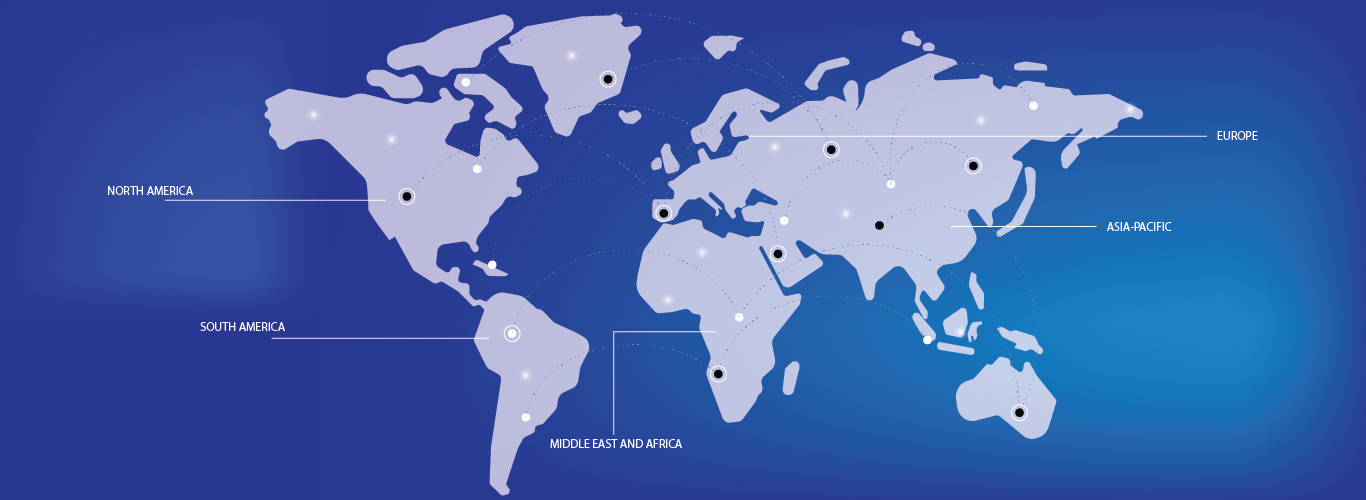
- North America dominated the Becker’s myotonia treatment market with the largest revenue share of 40.1% in 2024, due to strong research infrastructure, high diagnosis rates, and the presence of leading academic institutions and biotech firms engaged in neuromuscular disease research. The U.S., in particular, is leading in patient identification and access to experimental therapies under FDA orphan drug programs
- Asia-Pacific is expected to be the fastest-growing region in the Becker’s myotonia treatment market during the forecast period, with a projected CAGR of 10.6%, driven by rising healthcare awareness, improving access to genetic testing in countries such as China and India, and increased investment in rare disease initiatives
- The legs segment dominated the Becker’s myotonia treatment market market with the largest revenue share of 36.2% in 2024, as myotonia symptoms such as stiffness and delayed relaxation are most commonly experienced in the lower limbs, impacting mobility and daily function.