- Biobased adhesives are bonding agents derived from renewable materials such as starch, soy, lignin, and rosin, offering a sustainable alternative to petroleum-based adhesives. They are used in various applications including packaging, construction, wood processing, personal care, and medical
- The escalating demand for biobased adhesives is primarily fueled by regulatory pressure to reduce environmental impact, growing awareness of green building practices, and increasing adoption of compostable and recyclable packaging materials across global markets
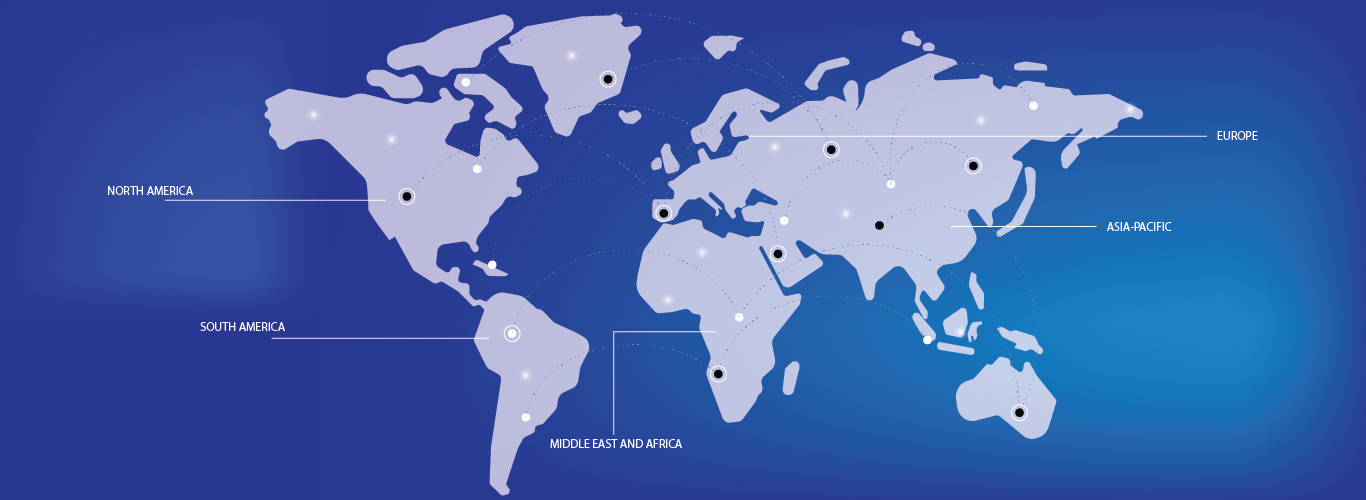
- Europe dominated the biobased adhesives market with a share of 34.5% in 2024, due to stringent environmental regulations, strong sustainability goals, and the widespread presence of industries actively transitioning toward bio-based materials
- Asia-Pacific is expected to be the fastest growing region in the biobased adhesives market during the forecast period due to rising environmental consciousness, industrial growth, and growing investments in sustainable materials
- Plant-Based segment dominated the market with a market share of 66% in 2024, due to growing environmental awareness, regulatory support for sustainable materials, and a strong preference for non-toxic, renewable sources across industries. Plant-based adhesives, derived from starch, soy, and lignin, are widely adopted in packaging, wood processing, and paper industries due to their biodegradability and low VOC emissions. Their compatibility with green certifications and eco-labeling further strengthens their market appeal, especially among manufacturers seeking to meet sustainability goals