- Blastic Plasmacytoid Dendritic Cell Neoplasm is a rare and aggressive hematologic cancer derived from plasmacytoid dendritic cells, most often affecting older adults and characterized by skin lesions, bone marrow involvement, and a poor prognosis if left untreated. The primary goal of treatment is disease remission and long-term survival, often achieved through targeted therapies, chemotherapy, or hematopoietic stem cell transplantation
- The demand for Blastic Plasmacytoid Dendritic Cell Neoplasm treatment is fueled by improved diagnostic accuracy using immunophenotyping and cytogenetics, increased regulatory approvals of novel therapies such as tagraxofusp, and the expansion of clinical trials investigating combination regimens and immune-based strategies
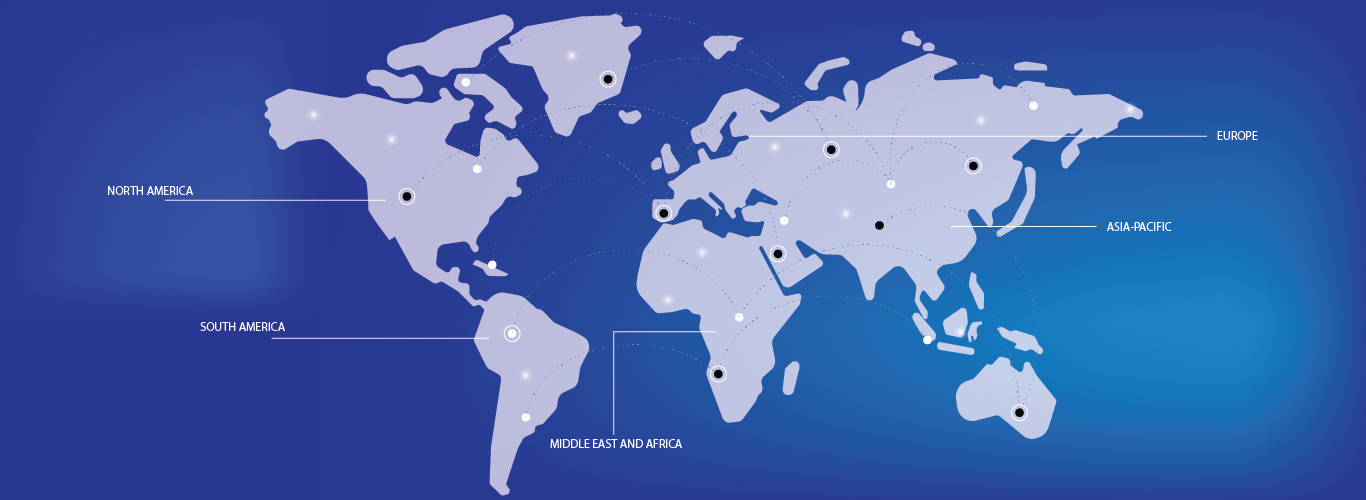
- North America is expected to dominate the Blastic Plasmacytoid Dendritic Cell Neoplasm treatment market with a share of 33.4%, owing to robust clinical infrastructure, the presence of key players, early adoption of FDA-approved therapies, and supportive reimbursement frameworks
- Asia-Pacific is projected to be the fastest-growing region in the Blastic Plasmacytoid Dendritic Cell Neoplasm treatment market during the forecast period due to increasing patient awareness, a rise in cancer screening programs, and expanding access to hematology and oncology care across emerging economies
- The targeted therapy segment is expected to lead the market with a market share of 44.15% due to its specificity for CD123-positive malignant cells, favorable safety profile compared to intensive chemotherapy, and growing global uptake following regulatory endorsements in multiple region