- Blood Glucose Sensor Patches, designed for continuous glucose monitoring (CGM), are becoming essential tools in diabetes management across both clinical and personal healthcare settings due to their non-invasive nature, real-time glucose tracking, and integration with digital health platforms. These patches provide users with critical insights for timely intervention, supporting better glycemic control and reducing complications.
- The rising demand for Blood Glucose Sensor Patches is primarily fueled by the growing global prevalence of diabetes, increasing emphasis on self-monitoring of blood glucose (SMBG), and a shift toward wearable healthcare technologies. Patients and healthcare providers are favoring CGM patches for their ability to provide continuous, real-time data, reducing reliance on traditional blood glucose meters and finger-prick tests.
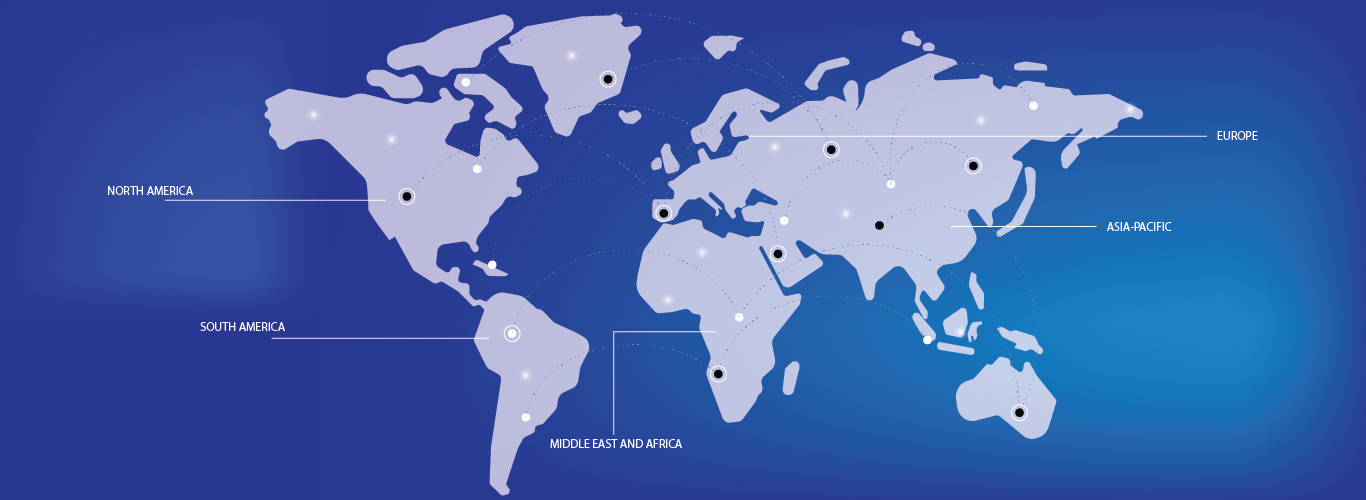
- North America dominates the Blood Glucose Sensor Patch market with the largest revenue share of 40.01% in 2025, owing to high healthcare awareness, favorable reimbursement frameworks, and widespread adoption of digital health innovations. The U.S., in particular, leads with strong uptake driven by a tech-savvy population, supportive FDA approvals (e.g., Dexcom G7, Abbott’s FreeStyle Libre), and growing use of sensor patches in telehealth and remote monitoring programs.
- Asia-Pacific is expected to be the fastest-growing region in the Blood Glucose Sensor Patch market during the forecast period, propelled by increasing urbanization, rising healthcare expenditure, government initiatives for diabetes awareness, and growing adoption of wearable health devices in countries like China, India, and Japan. The rising middle-class population and access to affordable smart health solutions are contributing to accelerated market penetration.
- The amperometric technology segment is expected to dominate the Blood Glucose Sensor Patch market with a market share of 43.2% in 2025, driven by its proven accuracy, cost-effectiveness, and adaptability in continuous glucose monitoring devices. This electrochemical sensing method is widely adopted by leading CGM brands for its high sensitivity and fast response time, supporting its leadership in the global sensor patch market.