- Bronchiectasis, a chronic and progressive lung condition characterized by irreversible bronchial dilation, is increasingly being recognized as a significant public health concern, with rising prevalence particularly among the elderly population and patients with chronic respiratory disorders such as COPD and cystic fibrosis. This is fueling demand for more effective diagnostic and treatment options globally
- The escalating demand for bronchiectasis treatment is primarily driven by improved awareness, availability of advanced imaging techniques such as high-resolution CT scans, and the development of novel therapies including inhaled antibiotics and mucolytics. In addition, rising research into the microbiome’s role in chronic lung infections is shaping new therapeutic approaches
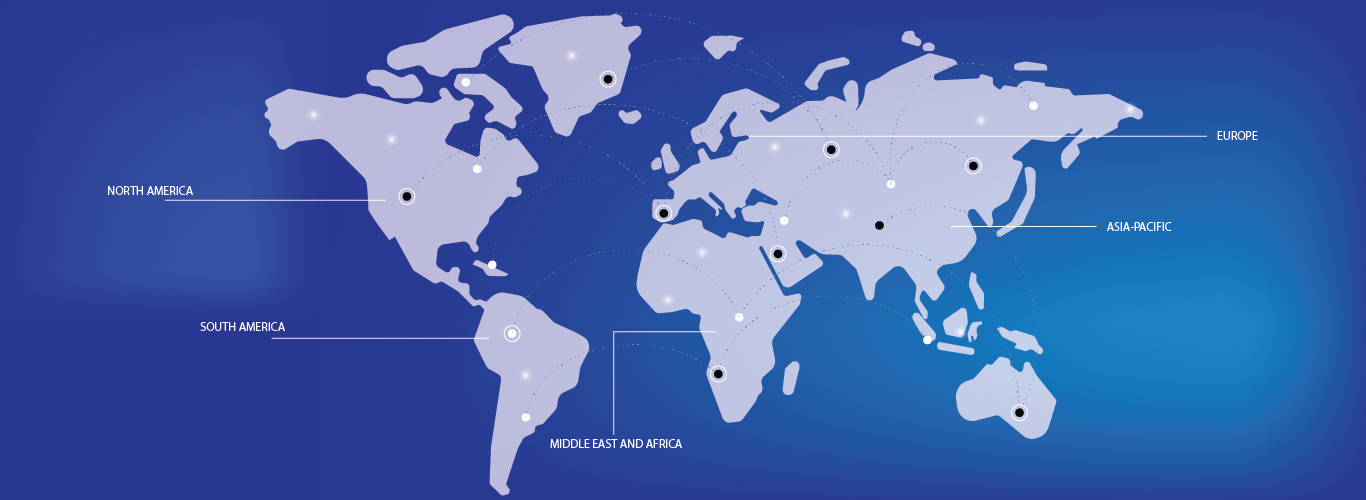
- North America dominated the bronchiectasis market with the largest revenue share of 39.5% in 2024, attributed to early adoption of advanced healthcare infrastructure, robust reimbursement frameworks, and a high prevalence of associated comorbidities. The U.S. leads the region due to strong R&D investment and presence of key pharmaceutical and biotech players focusing on respiratory disorders
- Asia-Pacific is expected to be the fastest-growing region in the bronchiectasis market during the forecast period, with a projected CAGR of 8.1%, driven by increasing urbanization, expanding healthcare access, rising awareness of chronic respiratory conditions, and growing investments in healthcare infrastructure, especially in countries such as China and India
- The inhalation segment dominated the bronchiectasis market with a market share of 42.6% in 2024, due to their efficacy in managing chronic infections, targeted delivery to the lungs, and growing preference over systemic antibiotics for long-term use in recurrent exacerbation cases