- Bursitis treatment methods are critical in managing inflammation of the bursae—small fluid-filled sacs that cushion bones, tendons, and muscles near joints. These treatments help relieve pain, reduce inflammation, and restore joint function. Bursitis management typically involves pharmacological therapy, physical therapy, and in severe cases, surgical intervention
- The demand for bursitis treatment is significantly driven by the increasing prevalence of musculoskeletal disorders, a growing geriatric population, and rising awareness about joint health and mobility preservation. Additionally, the preference for non-invasive and outpatient-based therapies is accelerating the adoption of targeted drug therapies and physical rehabilitation programs
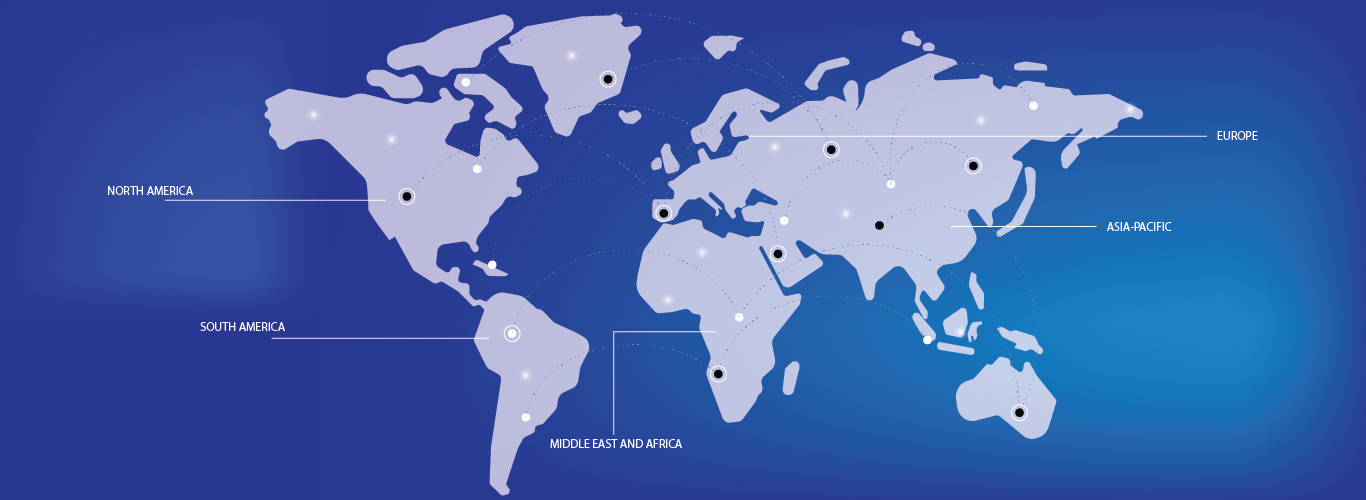
- North America is expected to dominate the bursitis treatment market with a share of over 35%, owing to its advanced healthcare infrastructure, high diagnosis and treatment rates, availability of advanced therapies, and the presence of leading pharmaceutical and medical device companies
- The Asia-Pacific region is anticipated to be the fastest-growing region in the bursitis treatment market during the forecast period. This is attributed to an expanding aging population, increasing incidence of orthopedic conditions, improving access to healthcare services, and rising investments in physical therapy and rehabilitation centers
- The Pharmacological Treatment segment is expected to dominate the market with a market share of approximately 58.3%, due to its broad clinical use, cost-effectiveness, and ease of administration. NSAIDs continue to be the first-line treatment for managing bursitis-related pain and inflammation in both acute and chronic settings, contributing significantly to the segment’s growth