


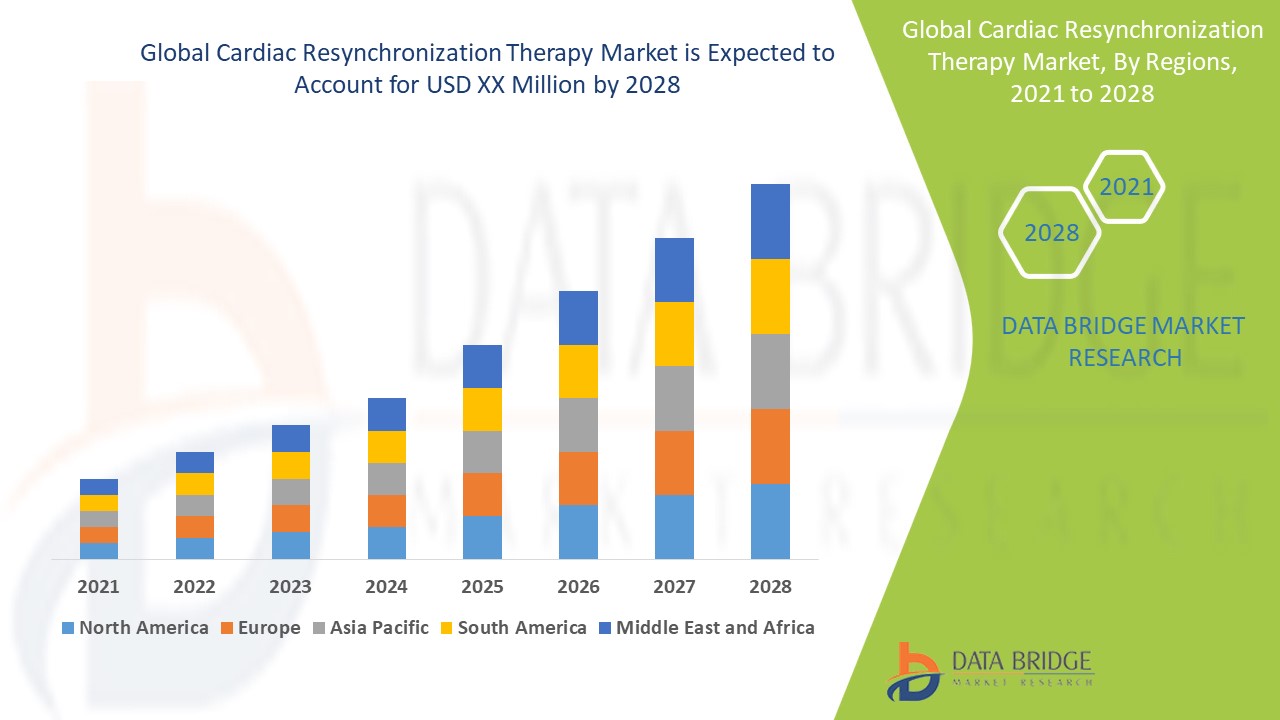
Cardiac Resynchronization Therapy Market Analysis
The global cardiac resynchronization therapy market is experiencing significant growth as healthcare providers increasingly adopt advanced therapies for heart failure and arrhythmia management. The market is driven by the rising prevalence of cardiovascular diseases, which has created a greater demand for effective treatments.
Cardiac resynchronization therapy, involving devices such as pacemakers and defibrillators, is gaining popularity for its ability to improve heart function and quality of life in patients with heart failure. Technological advancements in these devices, such as longer battery life and more compact designs, are also contributing to the market's growth.
The market is competitive, with major players focusing on innovation to enhance the effectiveness of cardiac resynchronization therapy devices. In addition, the growing awareness of heart health, particularly in aging populations, is further boosting demand for these life-saving therapies.
The increasing availability of cardiac resynchronization therapy devices in hospitals and cardiac clinics is expected to expand treatment access, especially in emerging markets. With continuous advancements in medical technology and a growing focus on heart disease management, the cardiac resynchronization therapy market is poised for sustained expansion in the coming years.
Cardiac Resynchronization Therapy Market Size
The cardiac resynchronization therapy market size was valued at USD 4.84 billion in 2024 and is projected to reach USD 7.87 billion by 2032, with a CAGR of 6.28% during the forecast period of 2025 to 2032. In addition to the insights on market scenarios such as market value, growth rate, segmentation, geographical coverage, and major players, the market reports curated by the Data Bridge Market Research also include depth expert analysis, patient epidemiology, pipeline analysis, pricing analysis, and regulatory framework.
Cardiac Resynchronization Therapy Market Trends
“Continuous advancement in device technology”
The continuous advancement in device technology within the cardiac resynchronization therapy market is a key trend driving transformation, significantly improving treatment outcomes for patients with heart failure and arrhythmias. Modern devices are becoming smaller, more efficient, and more effective in addressing a broader range of heart conditions. A notable advancement is the development of devices with extended battery life, reducing the need for frequent replacements and enhancing patient convenience.
In addition, there is a focus on making these devices more comfortable for patients by reducing their size and improving the materials used for implantation. This makes the procedure less invasive and recovery times shorter. These advancements also contribute to better device performance, ensuring that the devices can deliver precise and synchronized pacing to optimize heart function.
Another major breakthrough is the incorporation of wireless and remote monitoring features. Many of the newer cardiac resynchronization therapy devices can now transmit real-time data to healthcare providers, allowing for continuous monitoring of patients’ heart health without the need for frequent in-person visits. This not only enhances patient safety but also leads to better management of chronic heart conditions by catching any irregularities early
Report Scope and Cardiac Resynchronization Therapy Market Segmentation
|
Attributes |
Cardiac Resynchronization Therapy Key Market Insights |
|
Segments Covered |
|
|
Countries Covered |
U.S., Canada and Mexico in North America, Germany, France, U.K., Netherlands, Switzerland, Belgium, Russia, Italy, Spain, Turkey, Rest of Europe in Europe, China, Japan, India, South Korea, Singapore, Malaysia, Australia, Thailand, Indonesia, Philippines, Rest of Asia-Pacific (APAC) in the Asia-Pacific (APAC), Saudi Arabia, U.A.E, South Africa, Egypt, Israel, Rest of Middle East and Africa (MEA) as a part of Middle East and Africa (MEA), Brazil, Argentina and Rest of South America as part of South America |
|
Key Market Players |
Medtronic (Ireland), Abbott (U.S.), Boston Scientific Corporation (U.S.), Biotronik (Germany), MicroPort Scientific Corporation (China), MEDICO S.R.L. (Italy), LivaNova PLC (U.K.), Johnson & Johnson Services, Inc. (U.S.), Cook (U.S.), Merit Medical Systems (U.S.), Rodman Media (U.S.), Aetna Inc. (U.S.), Elkem ASA (Norway), Flagship Pioneering, Inc (U.S.), Koninklijke Philips N.V. (Netherlands), Cardinal Health (U.S.), Sorin Investments (Italy), Asahi Kasei Corporation (Japan), EBR Systems, Inc. (U.S.) |
|
Market Opportunities |
|
|
Value Added Data Infosets |
In addition to the insights on market scenarios such as market value, growth rate, segmentation, geographical coverage, and major players, the market reports curated by the Data Bridge Market Research also include depth expert analysis, patient epidemiology, pipeline analysis, pricing analysis, and regulatory framework. |
Cardiac Resynchronization Therapy Market Definition
Cardiac resynchronization therapy is a medical treatment designed to improve the heart's function in patients with heart failure, particularly those with irregular heart rhythms. It involves the use of a specialized pacemaker or defibrillator that sends electrical impulses to the heart to help coordinate the timing of the heart's contractions. In patients with heart failure, the heart's chambers may beat out of sync, leading to reduced efficiency in pumping blood. By resynchronizing the heart's electrical impulses, this therapy improves the coordination between the heart's left and right ventricles, enhancing the heart’s ability to pump blood more effectively. This treatment is typically used for patients whose heart failure is not well-controlled with medications alone and can significantly improve quality of life and reduce symptoms such as fatigue and shortness of breath.
Cardiac Resynchronization Therapy Market Dynamics
Drivers
- Increasing Treatment Options for the Growing Prevalence of Cardiovascular Diseases
The rising incidence of cardiovascular diseases, including heart failure, is one of the primary drivers of the cardiac resynchronization therapy market. With factors such as aging populations, poor dietary habits, and sedentary lifestyles contributing to the higher occurrence of heart conditions, the demand for treatments such as cardiac resynchronization therapy is growing. This therapy is particularly beneficial for patients with heart failure who have an inefficient heart rhythm, making it a critical option for improving heart function. The escalating burden of cardiovascular diseases globally has amplified the need for effective therapeutic interventions, making cardiac resynchronization therapy more prevalent in medical practices.
- Technological Advancements in Devices
Technological innovations have significantly enhanced the effectiveness and accessibility of cardiac resynchronization therapy. Devices have become smaller, more efficient, and user-friendly, providing better outcomes for patients. The inclusion of features such as remote monitoring, wireless data transmission, and improved battery life ensures that these devices provide long-term, reliable solutions. These advancements have not only improved patient comfort and safety but have also made the procedure less invasive and recovery faster. As these devices continue to evolve, they contribute to the overall growth and adoption of cardiac resynchronization therapy in the market.
Opportunities
- Growth in Emerging Markets
Emerging markets, particularly in Asia Pacific, South America, and parts of Africa, present substantial opportunities for the cardiac resynchronization therapy market. These regions have seen rapid improvements in healthcare infrastructure, making advanced medical treatments more accessible. As awareness of heart health increases, the demand for therapies such as cardiac resynchronization therapy is expected to rise. In addition, as disposable income grows in these regions, more patients will be able to afford high-quality healthcare, further expanding the market for these life-saving devices.
- Integration with Artificial Intelligence and Machine Learning
The integration of artificial intelligence and machine learning in the cardiac resynchronization therapy market presents an exciting opportunity. AI-powered diagnostic tools and predictive algorithms can help doctors make more accurate decisions when determining if a patient is a suitable candidate for cardiac resynchronization therapy. In addition, AI can optimize the programming of the devices themselves, ensuring the most effective treatment for patients. By combining these advanced technologies with existing cardiac resynchronization therapies, the treatment process can become even more personalized and effective, leading to better outcomes and broader market adoption.
Restraints/Challenges
- High Costs of Treatment
One of the significant restraints on the growth of the cardiac resynchronization therapy market is the high cost of devices and procedures. While the therapy is highly effective, the expenses associated with implantation and device maintenance can be prohibitive for some patients, especially in lower-income settings. Insurance coverage varies by region, and the high out-of-pocket costs can limit access to this treatment for a significant portion of the population. As a result, many patients may not be able to afford the necessary care, slowing the widespread adoption of cardiac resynchronization therapy.
- Device Complications and Risk of Infection
Despite the effectiveness of cardiac resynchronization therapy, there are certain challenges associated with the devices, particularly in terms of complications and risk of infection. Implantation of the device involves a surgical procedure, which carries inherent risks such as infection, bleeding, or damage to surrounding tissue. Moreover, issues such as device malfunction, lead dislodgement, or battery failure may require additional surgeries or procedures to resolve. These risks can discourage some patients from opting for the treatment, thus affecting the overall growth and adoption rate of cardiac resynchronization therapy.
This market report provides details of new recent developments, trade regulations, import-export analysis, production analysis, value chain optimization, market share, impact of domestic and localized market players, analyses opportunities in terms of emerging revenue pockets, changes in market regulations, strategic market growth analysis, market size, category market growths, application niches and dominance, product approvals, product launches, geographic expansions, technological innovations in the market. To gain more info on the market contact Data Bridge Market Research for an Analyst Brief, our team will help you take an informed market decision to achieve market growth.
Cardiac Resynchronization Therapy Market Scope
The market is segmented on the basis of type, application, and end user growth amongst these segments will help you analyze meagre growth segments in the industries and provide the users with a valuable market overview and market insights to help them make strategic decisions for identifying core market applications.
Type
- Cardiac Resynchronization Therapy Defibrillators
- Single-chamber CRT-D
- Dual-chamber CRT-D
- Biventricular CRT-D
- Cardiac Resynchronization Therapy Pacemakers
- Single-chamber CRT-P
- Dual-chamber CRT-P
Application
- Heart Failure Management
- Arrhythmia Management
- Others
End- Users
- Hospitals & Cardiac Centres
- Ambulatory Surgery Centres
Cardiac Resynchronization Therapy Market Regional Analysis
The market is analysed and market size insights and trends are provided by country, type, application, and end user as referenced above.
The countries covered in the market report are U.S., Canada, Mexico in North America, Germany, Sweden, Poland, Denmark, Italy, U.K., France, Spain, Netherland, Belgium, Switzerland, Turkey, Russia, Rest of Europe in Europe, Japan, China, India, South Korea, New Zealand, Vietnam, Australia, Singapore, Malaysia, Thailand, Indonesia, Philippines, Rest of Asia-Pacific (APAC) in Asia-Pacific (APAC), Brazil, Argentina, Rest of South America as a part of South America, U.A.E, Saudi Arabia, Oman, Qatar, Kuwait, South Africa, Rest of Middle East and Africa (MEA) as a part of Middle East and Africa (MEA).
North America is currently the dominating region in the cardiac resynchronization therapy market. The high prevalence of cardiovascular diseases, coupled with a strong healthcare infrastructure, has made this region a leader in adopting advanced heart treatments. With a large number of patients requiring therapies for heart failure and arrhythmias, North America is home to significant demand for cardiac resynchronization therapy devices. The presence of well-established healthcare providers, insurance coverage, and increasing healthcare awareness among the population also contribute to North America's dominance in this market.
Asia Pacific is the fastest growing region for the cardiac resynchronization therapy market. Rapid urbanization, an increase in the elderly population, and rising healthcare expenditure are driving the growth in this region. As awareness of heart diseases improves and the healthcare infrastructure advances, more patients are gaining access to modern treatments such as cardiac resynchronization therapy. Countries such as China and India, with large populations and an increasing burden of cardiovascular diseases, present significant opportunities for market expansion. Additionally, the growing middle class and improving medical technology further accelerate the growth in this region.
The country section of the report also provides individual market impacting factors and changes in regulation in the market domestically that impacts the current and future trends of the market. Data points such as down-stream and upstream value chain analysis, technical trends and porter's five forces analysis, case studies are some of the pointers used to forecast the market scenario for individual countries. Also, the presence and availability of global brands and their challenges faced due to large or scarce competition from local and domestic brands, impact of domestic tariffs and trade routes are considered while providing forecast analysis of the country data.
Cardiac Resynchronization Therapy Market Share
The market competitive landscape provides details by competitor. Details included are company overview, company financials, revenue generated, market potential, investment in research and development, new market initiatives, global presence, production sites and facilities, production capacities, company strengths and weaknesses, product launch, product width and breadth, application dominance. The above data points provided are only related to the companies' focus related to market.
Cardiac Resynchronization Therapy Market Leaders Operating in the Market Are:
- Medtronic (Ireland)
- Abbott (U.S.)
- Boston Scientific Corporation (U.S.)
- Biotronik (Germany)
- MicroPort Scientific Corporation (China)
- MEDICO S.R.L. (Italy)
- LivaNova PLC (U.K.)
- Johnson & Johnson Services, Inc. (U.S.)
- Cook (U.S.)
- Merit Medical Systems (U.S.)
- Rodman Media (U.S.)
- Aetna Inc. (U.S.)
- Elkem ASA (Norway)
- Flagship Pioneering, Inc (U.S.)
- Koninklijke Philips N.V. (Netherlands)
- Cardinal Health. (U.S.)
- Sorin Investments (Italy)
- Asahi Kasei Corporation (Japan)
- EBR Systems, Inc (U.S.)
Latest Developments in Cardiac Resynchronization Therapy Market
- In November 2023, Abbott’s SyncAV Plus CRT technology achieved the narrowest QRS complex for improved heart failure treatment. This technology optimized pacing to significantly reduce QRS duration, offering enhanced synchronization of the heart's ventricles. The key benefit of SyncAV Plus was its ability to provide better clinical outcomes, including improved heart function and reduced hospitalizations for heart failure patients. Studies showed that 100% of patients experienced the narrowest QRS with this technology, underscoring its effectiveness in improving the response to cardiac resynchronization therapy. This advancement enhanced the quality of life for patients with left bundle branch block and other heart failure symptoms
- In March 2021, a new analysis of the REVERSE Trial by Medtronic highlighted the benefits of Cardiac Resynchronization Therapy (CRT) for a broader range of heart failure patients. This analysis revealed that CRT offered significant improvements in heart function and quality of life, especially for patients with mild symptoms. The key benefit of this treatment approach was its potential to delay disease progression, reduce hospitalizations, and improve patient outcomes. Medtronic's ongoing research underscored the importance of CRT in managing heart failure, emphasizing its effectiveness for more individuals, not just those with severe conditions

- Interactive Data Analysis Dashboard
- Company Analysis Dashboard for high growth potential opportunities
- Research Analyst Access for customization & queries
- Competitor Analysis with Interactive dashboard
- Latest News, Updates & Trend analysis
- Harness the Power of Benchmark Analysis for Comprehensive Competitor Tracking
Data collection and base year analysis are done using data collection modules with large sample sizes. The stage includes obtaining market information or related data through various sources and strategies. It includes examining and planning all the data acquired from the past in advance. It likewise envelops the examination of information inconsistencies seen across different information sources. The market data is analysed and estimated using market statistical and coherent models. Also, market share analysis and key trend analysis are the major success factors in the market report. To know more, please request an analyst call or drop down your inquiry.
The key research methodology used by DBMR research team is data triangulation which involves data mining, analysis of the impact of data variables on the market and primary (industry expert) validation. Data models include Vendor Positioning Grid, Market Time Line Analysis, Market Overview and Guide, Company Positioning Grid, Patent Analysis, Pricing Analysis, Company Market Share Analysis, Standards of Measurement, Global versus Regional and Vendor Share Analysis. To know more about the research methodology, drop in an inquiry to speak to our industry experts.
Data Bridge Market Research is a leader in advanced formative research. We take pride in servicing our existing and new customers with data and analysis that match and suits their goal. The report can be customized to include price trend analysis of target brands understanding the market for additional countries (ask for the list of countries), clinical trial results data, literature review, refurbished market and product base analysis. Market analysis of target competitors can be analyzed from technology-based analysis to market portfolio strategies. We can add as many competitors that you require data about in the format and data style you are looking for. Our team of analysts can also provide you data in crude raw excel files pivot tables (Fact book) or can assist you in creating presentations from the data sets available in the report.













