- The increasing need for effective treatment options to manage unicentric and multicentric Castleman Disease, including IL-6 inhibitors and antiviral-based therapies, is boosting demand for immunosuppressive agents, monoclonal antibodies, and supportive therapies
- The market benefits from ongoing R&D into novel biologics, enhanced disease awareness programs, and increased access to early diagnostic and molecular testing tools
- Growth in rare disease registries, supportive orphan drug reimbursement policies, and expanded clinical guidelines for Castleman Disease are expected to further drive market performance, particularly in North America, Europe, and Rest of Asia-Pacific
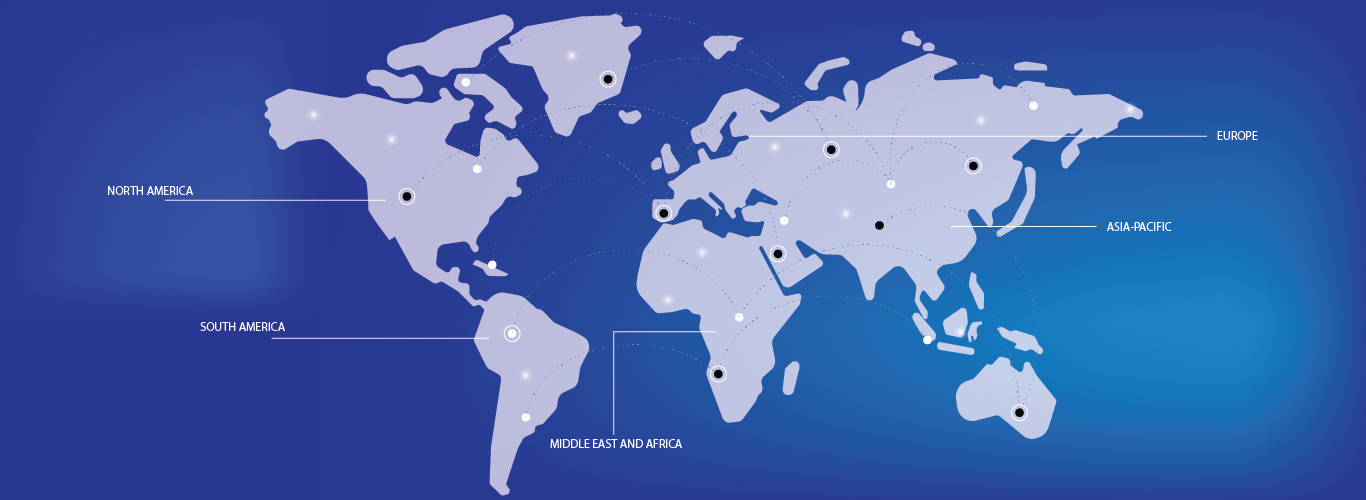
- North America dominates the Castleman Disease market with a largest market share of 36.4% in 2024 driven by its advanced healthcare infrastructure and high adoption of advanced technologies driven by the increasing elderly population
- Asia-Pacific is expected to be the fastest growing region in the Castleman Disease market during the forecast period due to rising awareness of shingles and its complications, and expanding access to antiviral therapies and vaccines across developing economies. Government initiatives aimed at improving adult immunization coverage and healthcare infrastructure are also contributing to regional market growth
- The Monoclonal Antibodies segment dominates the market with a market share of 34.5%, in 2024 owing to its established role in the standard treatment of herpes zoster infections. Drugs such as acyclovir, valacyclovir, and famciclovir are widely prescribed due to their proven efficacy in reducing the duration and severity of symptoms. Despite the growing adoption of shingles vaccines, especially in developed markets, antiviral drugs remain the primary treatment modality in acute cases due to their accessibility, cost-effectiveness, and familiarity among healthcare providers. Their continued use in managing post-herpetic neuralgia further reinforces their leading position in the market.