- Centrally Centrally acting anorectics, which suppress appetite by targeting the brain’s satiety and reward centers, are becoming increasingly essential components of modern obesity management due to their efficacy, CNS-specific mechanisms, and ability to support long-term weight control in both clinical and outpatient settings
- The growing demand for these drugs is primarily driven by the global surge in obesity rates, heightened awareness of obesity-related comorbidities, and the expanding availability of novel centrally acting pharmacotherapies such as GLP-1 receptor agonists and combination therapies
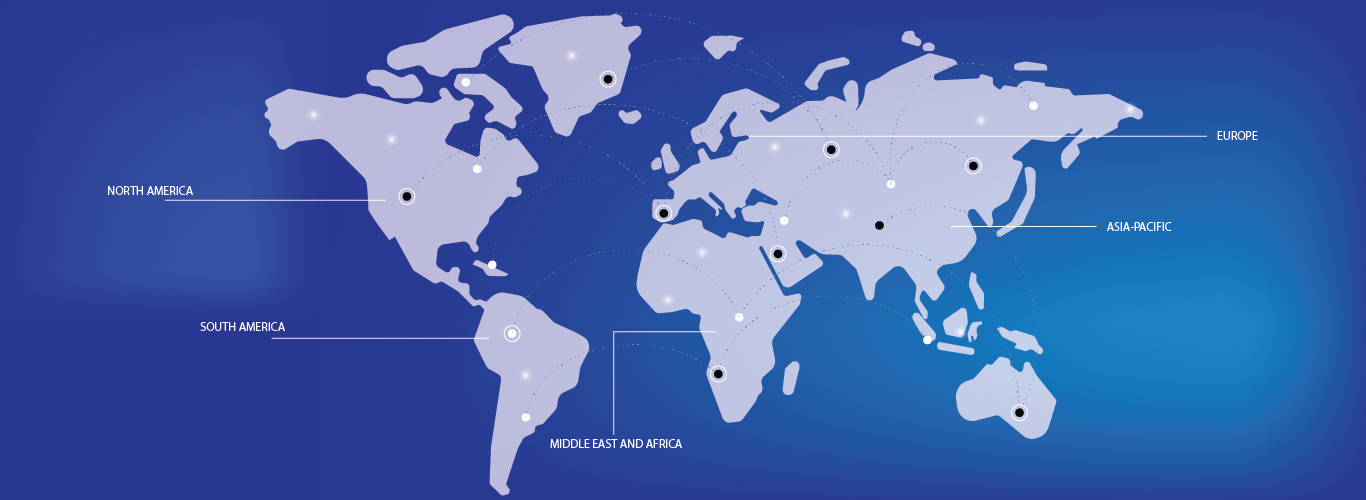
- North America dominated the centrally acting anorectics obesity drugs market with the largest revenue share of 60.5% in 2024, attributed to early regulatory approvals, strong healthcare infrastructure, rising obesity prevalence, and the presence of major pharmaceutical manufacturers particularly in the U.S., which has seen increasing prescriptions of CNS-acting agents such as semaglutide and bupropion-naltrexone
- Asia-Pacific is expected to be the fastest growing region in this market during the forecast period due to changing dietary habits, rising healthcare spending, and expanding access to anti-obesity treatments in countries such as China, India, and South Korea
- The CNS-acting GLP-1 receptor agonist segment dominated the centrally acting anorectics market with a share of 85.5% in 2024, driven by its superior weight loss efficacy, CNS-mediated appetite suppression, and widespread physician and patient adoption across both injectable and oral formulations