- Cerebellar agenesis is a rare congenital condition characterized by the complete or partial absence of the cerebellum, leading to motor, cognitive, and speech-related impairments. Treatment is supportive in nature and typically involves a combination of drug therapies and rehabilitative interventions including physical, occupational, and speech therapies.
- The demand for cerebellar agenesis treatment is significantly driven by increased recognition and diagnosis of rare neurodevelopmental conditions, expanding clinical research in pediatric neurology, and improvements in healthcare access and multidisciplinary care options.
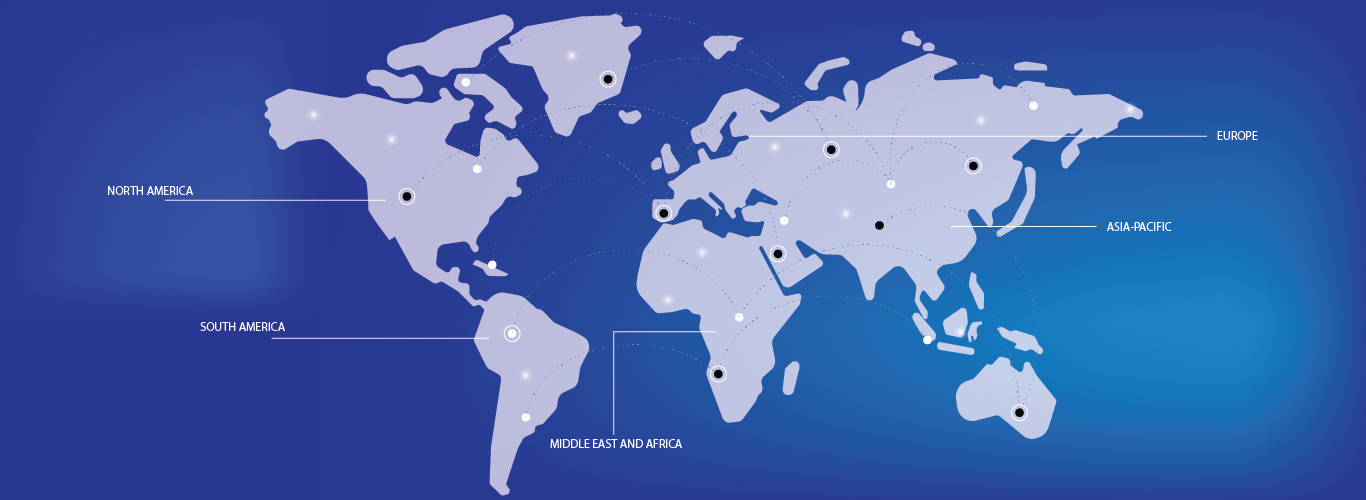
- North America is expected to dominate the cerebellar agenesis treatment market with a market share of 38.7%, due to the availability of specialized neurology centers, strong research funding for rare diseases, and access to advanced diagnostic infrastructure.
- Asia-Pacific is expected to be the fastest growing region in the cerebellar agenesis treatment market during the forecast period, owing to rapid advancements in healthcare systems, increased awareness about neurological disorders, and rising availability of supportive care services in emerging economies
- The physical therapy segment is expected to lead within the therapy type category with a market share of 38.7%, as it remains a fundamental part of the multidisciplinary approach to managing cerebellar agenesis. Physical therapy plays a crucial role in improving balance, motor coordination, gait, and muscle strength, particularly in pediatric patients who are still undergoing neuromuscular development. Its non-invasive nature, long-term benefits, and ability to enhance functional independence make it a cornerstone of supportive care. The rising adoption of early-intervention strategies in neurology and the availability of specialized physiotherapy services contribute to the segment’s continued dominance