- Chronic Granulomatous Disease (CGD) treatment comprises a range of therapies including infection management, stem cell transplantation, interferon-gamma, and emerging gene therapies, aimed at correcting immune deficiencies and reducing the frequency and severity of life-threatening infections. The increasing integration of advanced diagnostics and targeted therapies is enhancing patient outcomes and supporting long-term disease management.
- The growing demand for CGD treatment is primarily driven by rising awareness of primary immunodeficiency disorders, increasing availability of genetic and prenatal testing, and advancements in life-saving treatments such as bone marrow transplants and gene therapy innovations. In addition, global support for rare disease research and expanding access to specialty clinics are further boosting treatment uptake.
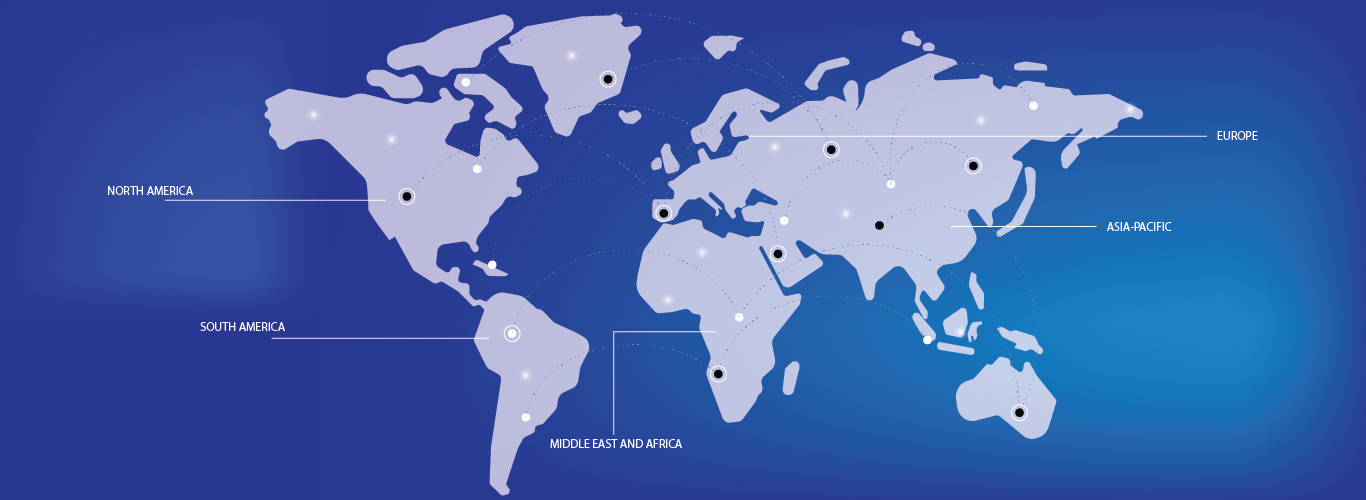
- North America dominates the CGD treatment market with the largest revenue share, projected at 42.3% in 2025, supported by early disease diagnosis, advanced healthcare infrastructure, and the presence of leading research institutions focusing on immunodeficiency disorders. The U.S., in particular, is seeing an increase in clinical trials and FDA-approved therapies targeting rare genetic diseases like CGD.
- Asia-Pacific is expected to be the fastest-growing region in the CGD treatment market during the forecast period, driven by improving healthcare access, rising public-private investment in rare disease awareness, and a growing patient pool in countries such as China and India.
- The infection management segment is expected to lead the CGD treatment market with a market share of 35.6% in 2025, due to its critical role in immediate disease control and broad availability across healthcare settings. Meanwhile, gene therapy is gaining momentum as a transformative long-term solution, though still in the clinical development phase in many regions.