- Clonorchiasis, caused by the liver fluke Clonorchis sinensis, remains a significant public health concern, especially in endemic regions, and is increasingly gaining global attention due to its association with bile duct inflammation, jaundice, liver fibrosis, and even cholangiocarcinoma in chronic cases. The demand for accurate diagnosis and effective anti-parasitic treatment is growing steadily as healthcare systems expand surveillance and intervention efforts in affected populations.
- The growing need for preventive strategies, improved sanitation, and mass drug administration (MDA) programs is fueling market growth, along with the rising availability of cost-effective oral treatment options such as praziquantel and albendazole, which are considered first-line therapies.
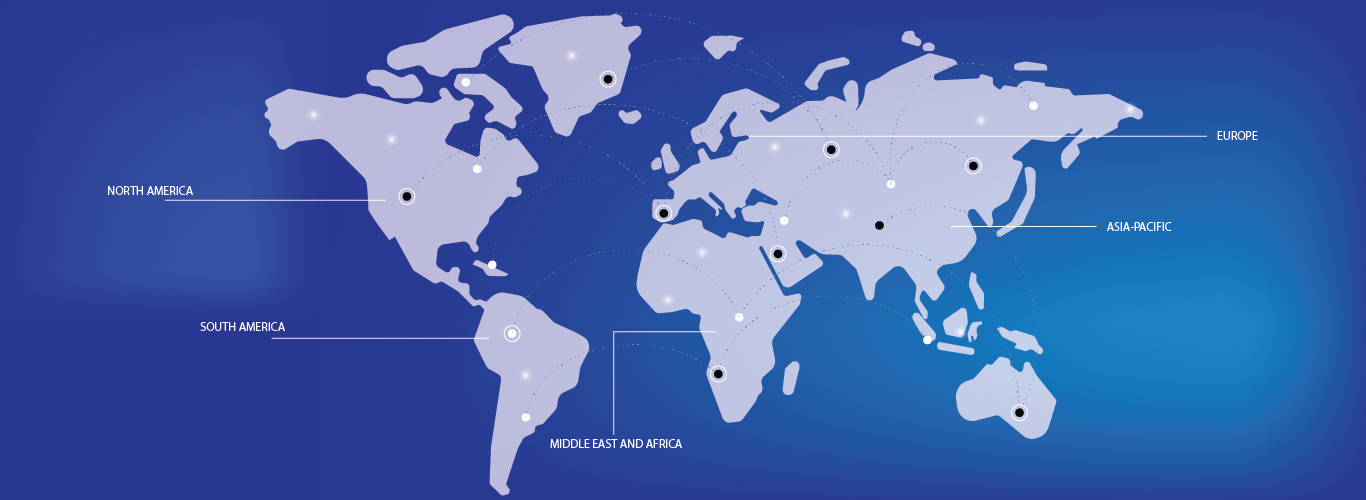
- Asia-Pacific dominates the clonorchiasis market with the largest revenue share of 67.4% in 2025, attributed to high disease burden in countries like China, Vietnam, Thailand, and South Korea, coupled with expanding public health efforts for mass treatment and disease control. Governments and non-governmental organizations are increasingly investing in community health campaigns, diagnostic kits, and treatment access in rural and semi-urban areas.
- Africa and Latin America are emerging as high-potential regions, driven by increasing parasitic disease surveillance and improved access to diagnostic and pharmaceutical services. These regions are expected to experience faster growth during the forecast period due to improved healthcare infrastructure and international support for neglected tropical diseases (NTDs).
- The praziquantel segment is expected to dominate the clonorchiasis market with a market share of 58.9% in 2025, owing to its high efficacy, oral convenience, and recommendation by the WHO for treating liver fluke infections. Its affordability and wide availability make it the cornerstone of clonorchiasis treatment in both endemic and non-endemic settings.