- Cryptocurrency mining is a foundational process in blockchain ecosystems, involving the validation of transactions and the creation of new digital assets such as Bitcoin and Ethereum. It relies on high-performance hardware, such as ASICs and GPUs, to solve complex mathematical problems and maintain decentralized ledgers
- The demand for cryptocurrency mining is significantly driven by the increasing mainstream adoption of digital assets and ongoing technological innovation in mining equipment. For instance, in 2024, Intel launched its second-generation Blockscale ASIC chips, aimed at enhancing energy efficiency in Bitcoin mining, signaling a shift toward sustainable practices in the industry
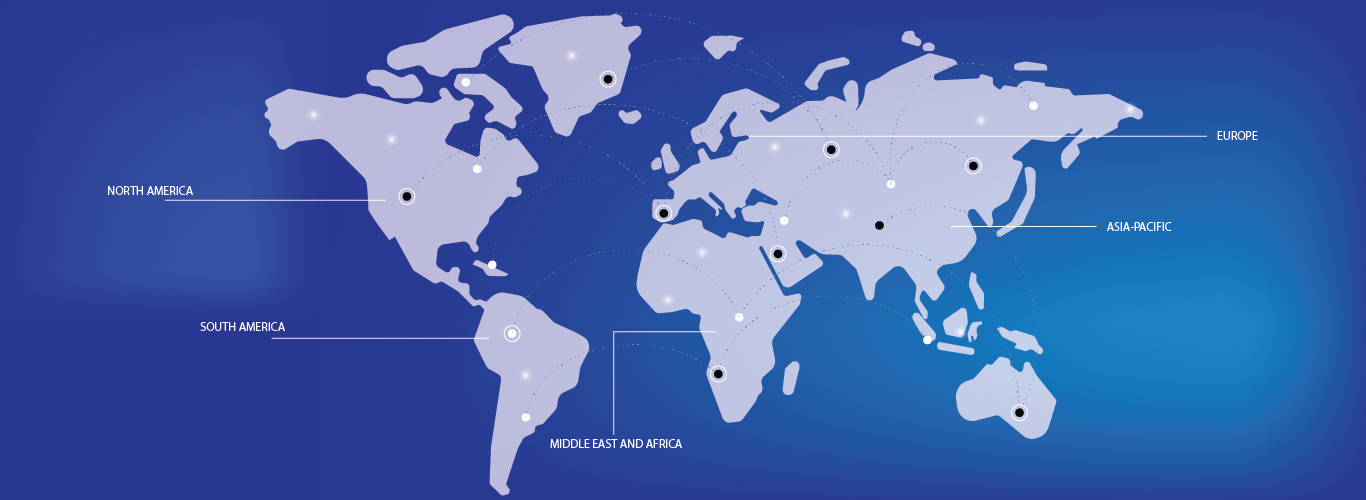
- The North America region stands out as one of the dominant regions for cryptocurrency mining, driven by large-scale investments and the availability of renewable energy sources
- For instance, Marathon Digital Holdings, one of the largest U.S.-based Bitcoin mining companies, announced its expansion of mining operations using wind and solar power across Texas and North Dakota in 2024 to reduce its carbon footprint and increase mining capacity
- Globally, Bitcoin continues to account for the largest share of mining activity, but the landscape is diversifying. With Ethereum's shift to a Proof-of-Stake (PoS) model completed in 2022, miners are increasingly turning to mine altcoins such as Litecoin and Ethereum Classic. Furthermore, Bitmain's 2024 launch of its Antminer S21 series—offering record-breaking hash rates—has set a new benchmark for performance in the mining hardware market