- Dengue vaccines, designed to protect against the dengue virus transmitted by mosquitoes, are gaining traction as a critical public health tool due to the increasing incidence of dengue infections in tropical and subtropical regions. The growing global burden of dengue fever, coupled with efforts to reduce morbidity and mortality, is driving demand for effective and accessible dengue vaccination programs
- The rising awareness about the health impacts of dengue, combined with supportive government immunization initiatives and growing healthcare infrastructure in endemic regions, has significantly fueled market growth
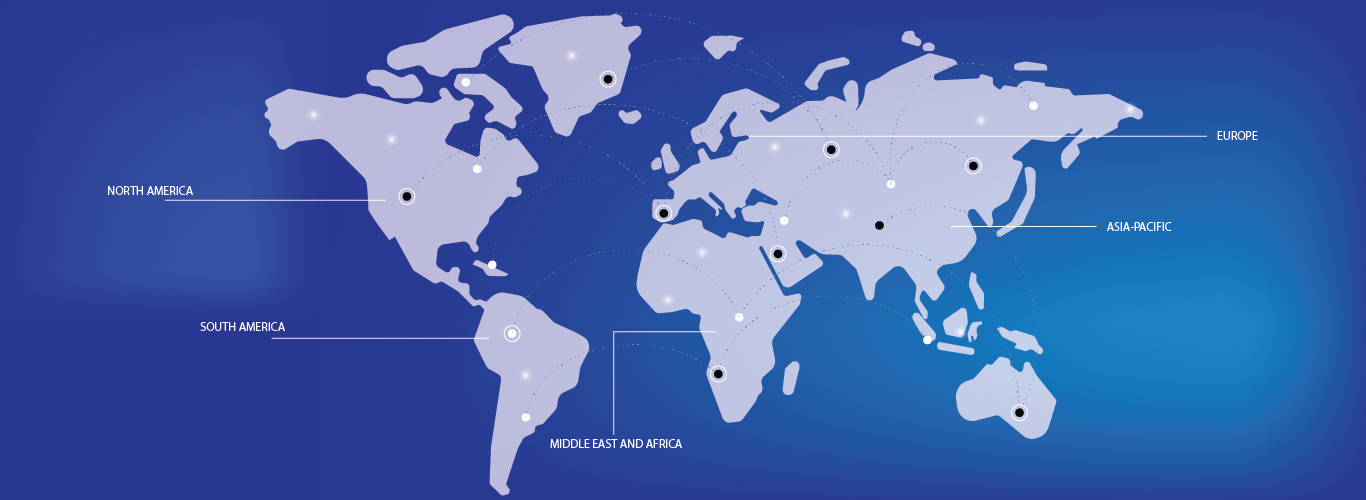
- North America dominated the dengue vaccine market with the largest revenue share of 46.0% in 2024, driven by strong R&D investment, early regulatory approvals, and growing traveler immunization requirements. The U.S. particularly experienced substantial market expansion owing to the introduction of dengue vaccines for travelers and military personnel deployed to dengue-endemic regions
- Asia-Pacific is expected to be the fastest growing region in the dengue vaccine market during the forecast period, with a projected CAGR of 23.6%. This growth is attributed to the high prevalence of dengue cases in countries such as India, Indonesia, the Philippines, and Thailand, alongside rising government support for mass immunization campaigns and improved vaccine accessibility
- The parenteral segment dominated the dengue vaccine market with a market share of 67.5% in 2024, as most dengue vaccines currently available are administered through injection and require medical supervision. This method ensures accurate dosing and effectiveness, particularly in immunization programs conducted by healthcare institutions across endemic regions