- Digital agriculture refers to the use of advanced technologies like IoT, AI, big data, and sensors to optimize farming practices, improve productivity, and ensure sustainable agricultural development
- The demand for digital agriculture is significantly driven by the need for higher crop yields, as precision farming and data analytics enhance productivity. Climate change adaptation further fuels this demand, with digital tools aiding in weather forecasting and resource management. Additionally, smart technologies optimize the use of resources such as water, fertilizers, and pesticides, ensuring sustainable farming practices
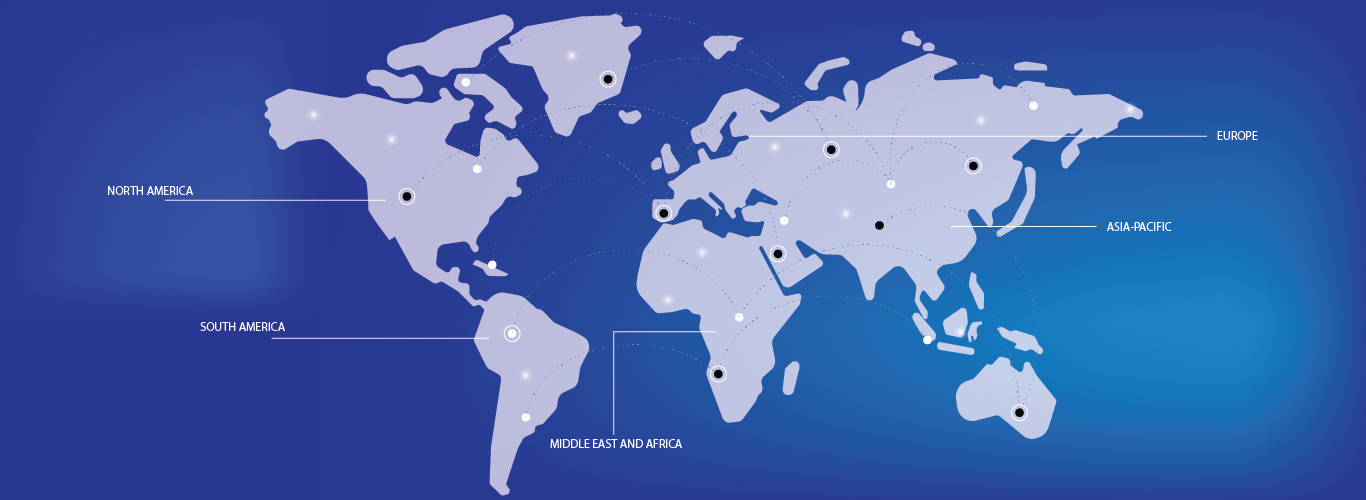
- The North America region stands out as one of the dominant region for digital agriculture, driven by its advanced technology, strong government support, high agri-tech investments, and widespread precision farming adoption
- For instance, the U.S. leads in digital agriculture adoption. From large agribusiness corporations to independent farms, it utilizes cutting-edge precision farming technologies, government-backed initiatives, and significant agri-tech investments to drive advancements in smart farming solutions.
- Globally, digital agriculture market ranks as the second-most crucial sector in modern farming, following precision farming technologies, and plays a pivotal role in enhancing efficiency, sustainability, and productivity in agriculture