- Digital Circular Economy solutions enable the real-time monitoring, optimization, and reuse of materials and products, making them essential for businesses looking to transition to low-waste, circular models across manufacturing, retail, and logistics sectors
- The increasing emphasis on sustainability, carbon neutrality, and extended producer responsibility (EPR) is fueling demand for digital tools that enable closed-loop systems and regenerative business models
- Key enablers include digital twin technologies, blockchain-based material tracing, and predictive analytics platforms that help reduce overproduction, optimize reverse logistics, and enhance recycling processes
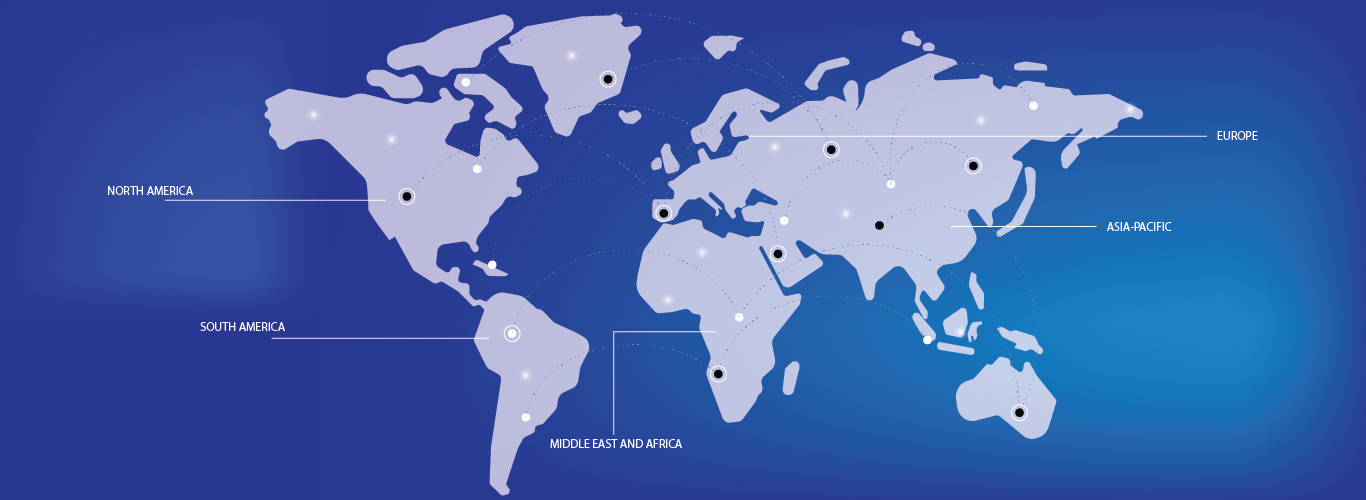
- Europe dominated the digital circular economy market with the largest revenue share of 41.37% in 2024, driven by rising demand for smart security systems, strict regulatory frameworks, and the widespread adoption of connected technologies in residential and commercial sectors
- Asia-Pacific digital circular economy market is expected to grow at the fastest CAGR of 12.28% from 2025 to 2032, driven by rapid urbanization, expanding middle-class populations, and increased government focus on digital transformation
- The software segment dominated the digital circular economy market with the largest market revenue share of 61.8% in 2024, owing to its ability to provide real-time insights, product lifecycle tracking, and seamless integration with circular supply chain systems