- Disposable insulin pumps, which provide continuous subcutaneous insulin infusion without the need for tubing or complex programming, are becoming increasingly essential in diabetes management due to their ease of use, affordability, and reduced maintenance compared to traditional pumps. These devices are especially beneficial for short-term insulin delivery in hospitals and for newly diagnosed patients seeking a non-invasive and simple alternative
- The growing demand for disposable insulin pumps is primarily driven by the rising global prevalence of diabetes, increasing awareness about insulin delivery methods, and the growing preference for portable, user-friendly, and cost-effective diabetes management solutions.
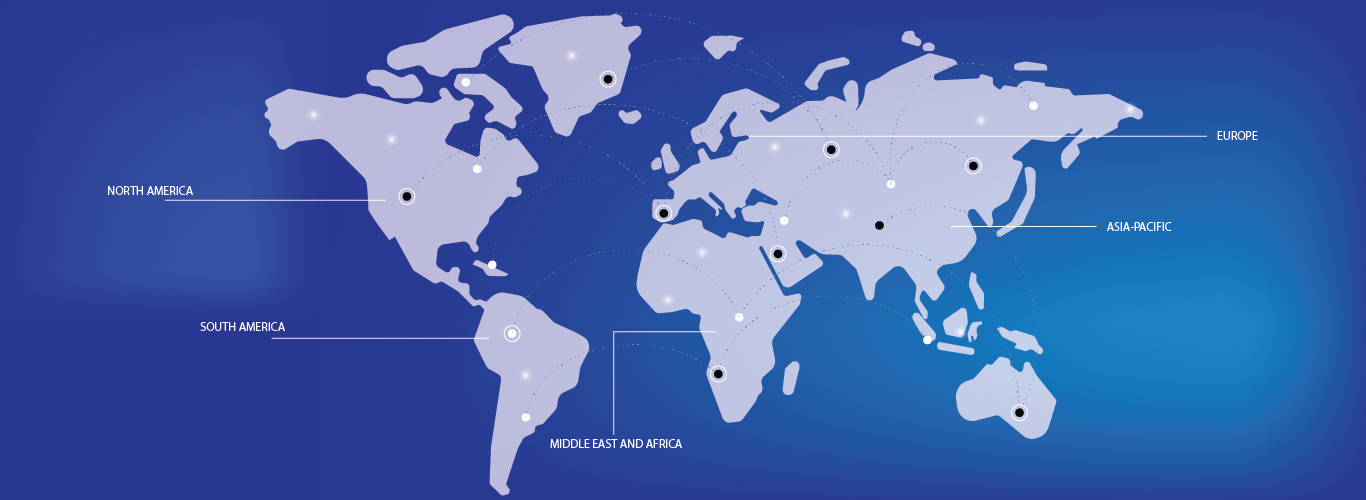
- North America dominated the disposable insulin pumps market with the largest revenue share of 41.8% in 2024, attributed to a high diabetes burden, advanced healthcare infrastructure, and rapid adoption of innovative treatment devices
- Asia-Pacific is projected to be the fastest-growing region in the disposable insulin pumps market with a CAGR of 10.6% from 2025 to 2032, fueled by rising healthcare expenditure, expanding diabetic population, and government initiatives to promote access to affordable diabetes care technologies in countries such as China and India
- The patch pumps segment dominated the disposable insulin pumps market with the largest market revenue share of 58.4% in 2024, driven by their tubeless design, ease of use, and growing preference for discreet insulin delivery among diabetic patients. These pumps adhere directly to the skin and are ideal for active individuals seeking flexibility and minimal interference in daily routines