- Diverticular disease, encompassing diverticulosis and diverticulitis, is becoming increasingly prevalent, particularly in aging populations and regions with low-fiber diets. Rising healthcare awareness, improved diagnostics, and shifting dietary patterns have made this condition a significant concern in both developed and developing healthcare systems
- The growing demand for minimally invasive treatment options, early-stage diagnosis, and nutritional intervention programs is driving the expansion of the Diverticular Disease market. Increasing adoption of endoscopic and laparoscopic procedures and the development of novel pharmaceuticals are further fueling growth
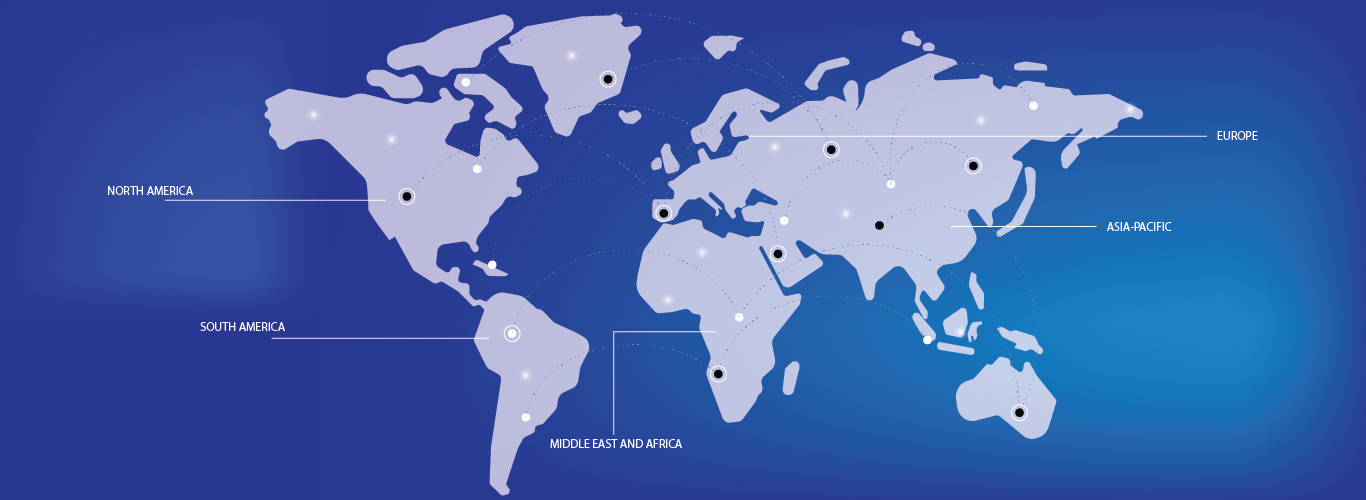
- North America dominated the diverticular disease market with the largest revenue share of 38.11% in 2024, supported by a high disease burden among the elderly, robust insurance coverage, and advanced healthcare infrastructure. The U.S. is leading regional growth due to strong investment in gastrointestinal research, early diagnosis programs, and growing uptake of novel therapeutics and digital health solutions for gastrointestinal monitoring
- Asia-Pacific is expected to be the fastest-growing region in the diverticular disease market, projected to expand at a CAGR of 9.1% from 2025 to 2032, driven by increasing urbanization, a shift towards Western dietary habits, rising disposable incomes, and growing awareness of gastrointestinal health. Countries such as China, Japan, and India are key contributors to regional growth
- The Diverticulitis segment dominated the diverticular disease market with a market share of 52.4% in 2024, primarily due to its high clinical prevalence and the substantial need for targeted treatment interventions. The segment’s growth is driven by the increasing incidence of complicated diverticulitis cases and the demand for both surgical and non-surgical therapeutic options, including advanced antibiotics and minimally invasive procedures