- Dopamine agonist drug therapy is primarily used to stimulate dopamine receptors and manage symptoms of neurological disorders such as Parkinson’s disease, restless leg syndrome (RLS), and hyperprolactinemia. It plays a critical role in improving patient mobility, reducing motor symptoms, and enhancing quality of life, making it a cornerstone treatment in neurology
- The escalating demand for dopamine agonist drugs is primarily fueled by the growing prevalence of Parkinson's disease globally, increasing aging population, and continuous advancements in drug formulations and delivery mechanisms
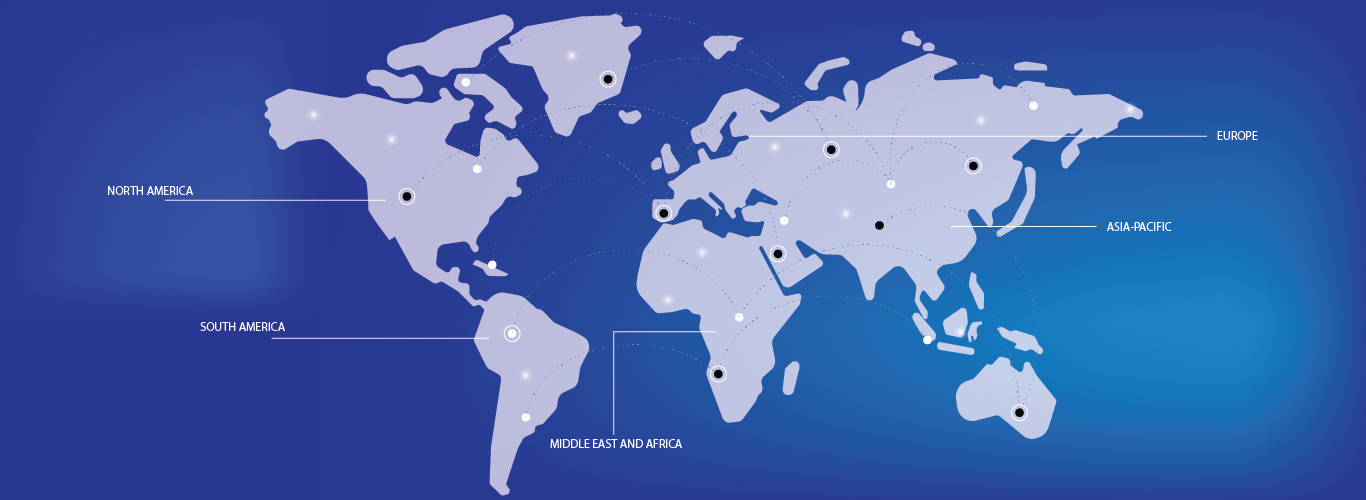
- North America dominates the dopamine agonist drug market with the largest revenue share of 42.21% in 2024, attributed to well-established healthcare infrastructure, high diagnosis rates, presence of major pharmaceutical companies, and favorable reimbursement policies
- Asia-Pacific is expected to be the fastest growing region in the dopamine agonist drug market during the forecast period, with a projected CAGR of 7.5%, fueled by expanding healthcare access, growing geriatric population, increased investments in neurology care, and rising regulatory emphasis on treatment standardization in countries
- Non-ergoline dopamine agonists segment is expected to dominate the dopamine agonist drug market with a market share of 48.2% in 2024, owing to patient preference for non-invasive administration routes, wide availability, and consistent demand for chronic condition management