- Energy Storage Optimization systems, which leverage intelligent software and analytics to enhance the performance of energy storage assets, are becoming crucial in modern energy infrastructure due to their role in maximizing efficiency, reducing operational costs, and enabling seamless integration of renewable energy sources
- The accelerating demand for Energy Storage Optimization is primarily fueled by the global shift toward decarbonization, increasing reliance on intermittent renewable energy, growing electricity demand, and heightened focus on grid reliability and resiliency
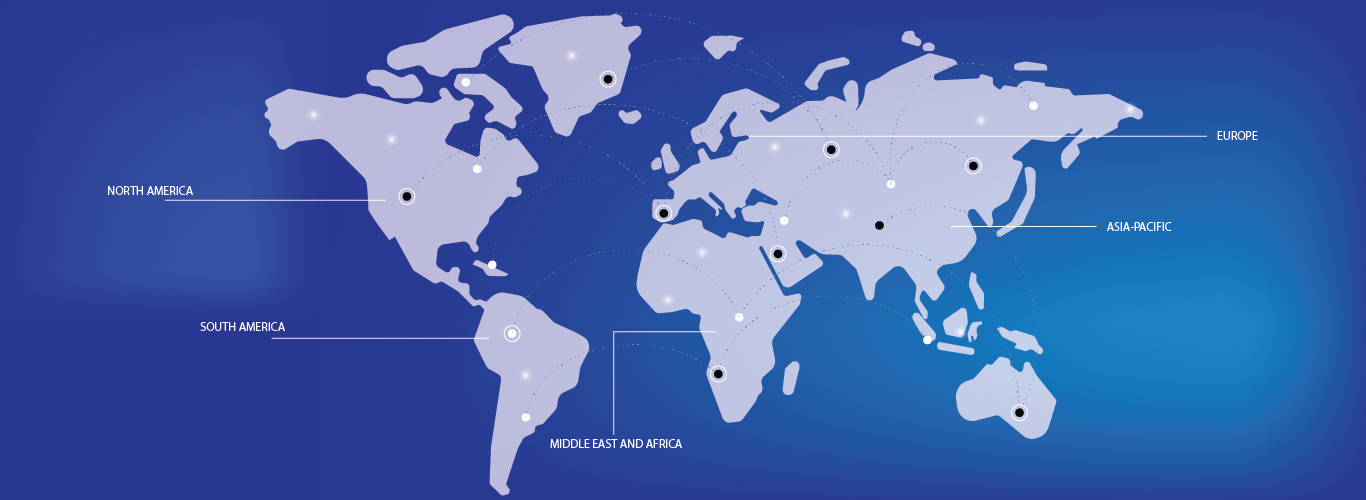
- North America dominates the Energy Storage Optimization market, accounting for a market share of 38.4% in 2025, supported by strong federal and state-level incentives, expanding renewable energy capacity, and significant investments in smart grid technologies. The United States leads the region with growing adoption across utility-scale and commercial energy storage projects
- Asia-Pacific is expected to be the fastest-growing region, with a projected CAGR of 6.2% during the forecast period, driven by rapid industrialization, ambitious national energy storage targets, and favorable regulatory frameworks—especially in China, India, Japan, and South Korea
- The Lithium-ion Batteries segment is projected to dominate the Energy Storage Optimization market in 2025, capturing a market share of approximately 61.5%. This dominance is driven by their superior energy density, longer lifecycle, and extensive use in electric vehicles, grid storage, and consumer electronics. Lithium-ion batteries are favored for applications such as frequency regulation, peak shaving, and renewable energy integration across utility and commercial sectors.