- FDCA is a key bio-based chemical building block used in the production of biodegradable plastics and renewable polyesters such as PEF, which offer superior barrier properties over conventional PET
- The market is experiencing growth due to rising awareness of plastic pollution, increased R&D in green chemistry, and global efforts to reduce dependence on fossil-based raw materials
- Demand is further strengthened by the food and beverage packaging industry, where FDCA-derived polymers are gaining traction as high-performance, sustainable alternatives to conventional plastic packaging
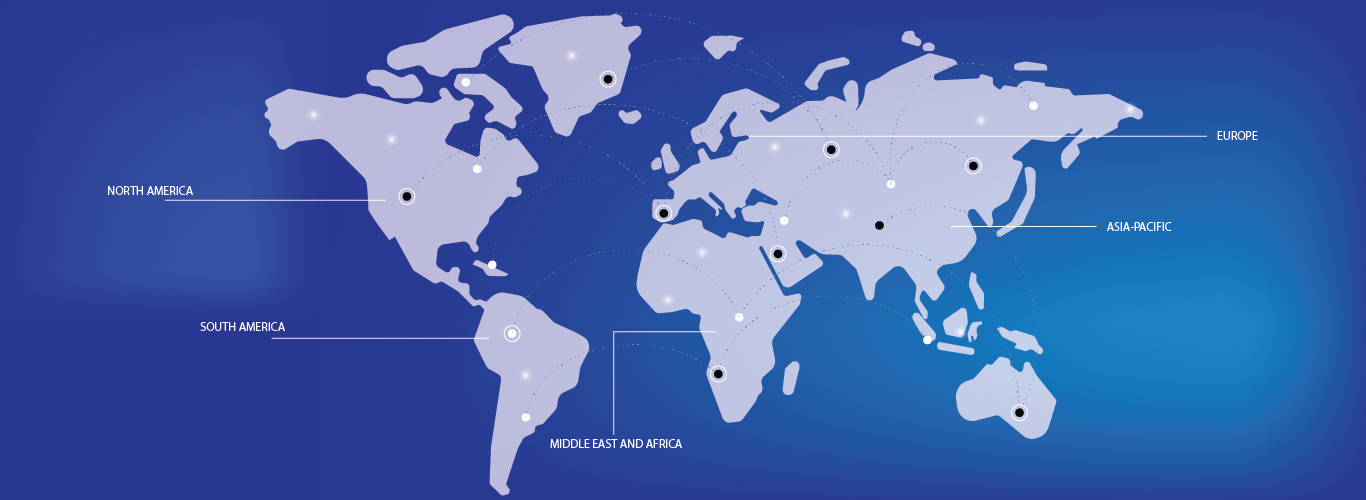
- Europe dominated the 2,5-Furandicarboxylic Acid (FDCA) market with the largest revenue share of 38.5% in 2024, driven by strong environmental regulations, emphasis on sustainability, and rising demand for bio-based polymers
- Asia-Pacific is projected to grow at the fastest CAGR of 13.87% from 2025 to 2032, driven by rapid industrialization, expanding consumer markets, and increasing demand for sustainable materials. Countries such as China, Japan, and India are investing heavily in bioplastics and green technologies to meet global sustainability targets
- The PET segment dominated the 2,5-Furandicarboxylic Acid (FDCA) market with the largest market revenue share of 43.2% in 2024, due to FDCA’s key role as a monomer in the production of polyethylene furanoate (PEF), a bio-based alternative to traditional PET