


Fetal Alcohol Syndrome Market Size
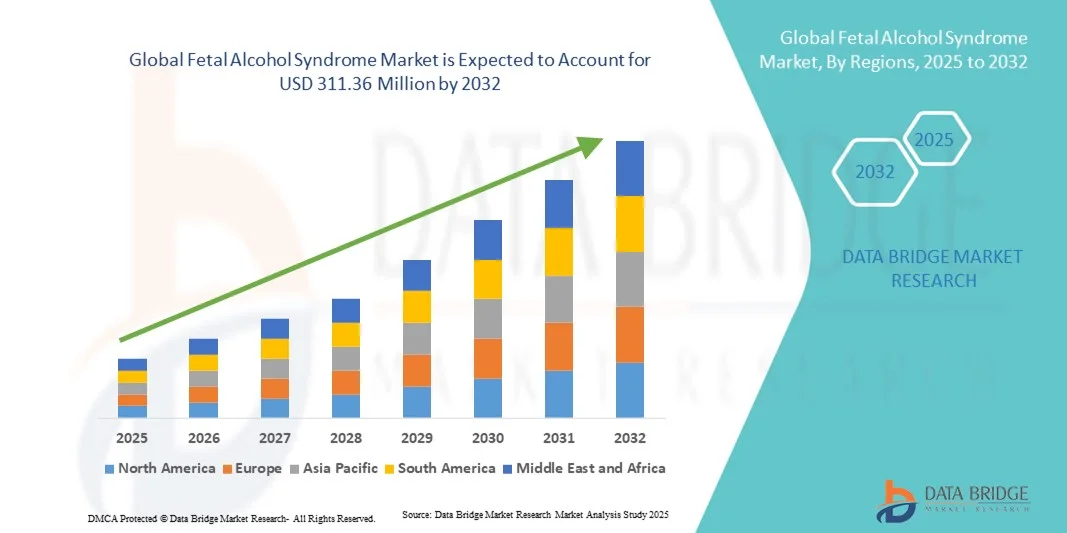
- The global Fetal Alcohol Syndrome market size was valued at USD 212.36 million in 2024 and is expected to reach USD 311.36 million by 2032, at a CAGR of 4.90% during the forecast period
- The market growth is largely fueled by increasing awareness campaigns, legislative measures promoting healthy pregnancies, and advancements in medical therapy, driving the adoption of diagnostic and treatment solutions for FASD
- Furthermore, the rising prevalence of FASD globally and the growing emphasis on early diagnosis and intervention programs are establishing comprehensive care and treatment solutions as the standard approach. These converging factors are accelerating the uptake of FASD management solutions, thereby significantly boosting the industry's growth
Fetal Alcohol Syndrome Market Analysis
- Fetal alcohol syndrome (FAS) management, encompassing early diagnosis, therapeutic interventions, and support programs, is increasingly recognized as a critical component of pediatric and maternal healthcare due to its impact on lifelong cognitive, behavioral, and physical health outcomes
- The escalating demand for FAS management solutions is primarily fueled by rising global awareness about the risks of alcohol consumption during pregnancy, increasing prevalence of FAS, and growing emphasis on early intervention programs to improve patient outcomes
- North America dominated the FAS market with the largest revenue share of 43% in 2024, driven by extensive awareness campaigns, well-established healthcare infrastructure, strong government initiatives, and a high prevalence of early screening programs, particularly in the U.S., where national campaigns and clinical guidelines promote early diagnosis and comprehensive care
- Asia-Pacific is expected to be the fastest-growing region in the FAS market during the forecast period, due to increasing healthcare accessibility, rising public awareness about maternal health, and expanding investments in early intervention and treatment programs
- The behavior and education therapy segment dominated the FAS market with a share of 47.3% in 2024, supported by the growing adoption of non-pharmacological interventions, school- and home-based therapy programs, and recognition of their effectiveness in improving cognitive and behavioral outcomes in affected individuals
Report Scope and Fetal Alcohol Syndrome Market Segmentation
|
Attributes |
Fetal Alcohol Syndrome Key Market Insights |
|
Segments Covered |
|
|
Countries Covered |
North America
Europe
Asia-Pacific
Middle East and Africa
South America
|
|
Key Market Players |
|
|
Market Opportunities |
|
|
Value Added Data Infosets |
In addition to the insights on market scenarios such as market value, growth rate, segmentation, geographical coverage, and major players, the market reports curated by the Data Bridge Market Research also include in-depth expert analysis, patient epidemiology, pipeline analysis, pricing analysis, and regulatory framework |
Fetal Alcohol Syndrome Market Trends
Expansion of Telehealth and Digital Therapy Platforms
- A significant and accelerating trend in the global FAS market is the adoption of telehealth and digital therapy platforms for behavioral and educational interventions, allowing remote access to care for patients in underserved or rural areas
- For instance, the “Families Moving Forward” online program in the U.S. provides structured behavioral therapy and caregiver guidance remotely, improving access to early intervention
- Digital platforms enable continuous monitoring of patient progress, personalized therapy plans, and virtual consultations with specialists, improving adherence and intervention outcomes
- The seamless integration of telehealth with conventional therapy programs allows for a hybrid model of care, improving accessibility, reducing travel burden, and supporting early intervention efforts
- Increasing use of mobile apps and online resources is enabling caregivers to access therapy guidance, educational materials, and progress tracking tools conveniently from home
- Growing collaborations between healthcare providers, NGOs, and tech companies are accelerating the development and adoption of AI-based tools for cognitive and behavioral assessments
- Expansion of remote training programs for educators and therapists is improving the availability of skilled professionals in regions with limited FAS services
Fetal Alcohol Syndrome Market Dynamics
Driver
Increasing Awareness and Government Initiative
- The rising awareness about the risks of alcohol consumption during pregnancy, coupled with national and international health campaigns, is a major driver of FAS market growth
- For instance, the CDC’s “Think Before You Drink” campaign in the U.S. educates women about alcohol-related fetal risks, increasing early screening and intervention uptake
- Enhanced public knowledge encourages early diagnosis and adoption of behavioral and educational therapies, improving long-term patient outcomes
- Government policies, grants, and funding for research and treatment programs are further boosting market expansion, enabling wider implementation of prevention and care strategies
- Rising prevalence of FAS globally is prompting healthcare systems to invest in early screening, therapy programs, and caregiver support services
- Increasing adoption of integrated care models combining medical, behavioral, and educational interventions is driving higher demand for structured therapy solutions
- Greater involvement of schools and community centers in awareness and intervention programs is expanding the reach of FAS management services
Restraint/Challenge
Limited Access and High Treatment Costs
- Limited availability of specialized therapy programs and trained professionals in many regions presents a significant challenge to broader FAS market adoption
- For instance, rural regions in India face limited access to specialized FAS therapy programs and trained professionals, restricting early intervention for affected children
- The high cost of long-term therapy and intervention programs can also be a barrier for families and healthcare systems, especially in developing regions
- In addition, the need for continuous monitoring, follow-up, and multidisciplinary care further increases treatment complexity and cost, slowing widespread uptake
- Lack of standardized treatment protocols across regions creates inconsistencies in care quality and outcomes
- Cultural stigma and low awareness in certain regions can prevent families from seeking timely intervention for affected children
- Regulatory hurdles in approving new therapy platforms and digital interventions may delay market entry and adoption
Fetal Alcohol Syndrome Market Scope
The market is segmented on the basis of treatment, end-users, and distribution channel.
- By Treatment
On the basis of treatment, the FAS market is segmented into medication, behavior therapy and education therapy. The behavior and education therapy segment dominated the market with the largest revenue share of 47.3% in 2024, driven by the widespread adoption of non-pharmacological interventions to manage cognitive and behavioral symptoms. Caregivers and healthcare providers increasingly prefer structured educational and behavioral programs due to their effectiveness in improving developmental outcomes. Clinics and hospitals integrate these therapies into multidisciplinary care plans, enhancing patient adherence and long-term benefits. In addition, schools and community centers provide supplementary programs that reinforce behavioral management strategies. The rise in telehealth and digital therapy platforms has further expanded access to these interventions, particularly in underserved regions. Behavior and education therapies also offer lower risk profiles compared to pharmacological treatments, contributing to their preference among parents and clinicians.
The medication segment is anticipated to witness the fastest growth rate from 2025 to 2032, fueled by increasing research and development of targeted pharmacological treatments for FAS-related cognitive and behavioral challenges. New drugs aimed at improving attention, memory, and learning deficits are driving interest among clinicians and caregivers. Growing awareness of early intervention benefits and supportive regulatory approvals in developed markets also contribute to market expansion. The convenience of integrating medication with behavioral programs enhances overall treatment efficacy. Rising prevalence of FAS globally is prompting healthcare providers to explore combined treatment strategies, boosting adoption of medication-based therapies. Moreover, pharmaceutical companies are increasingly investing in innovative formulations and patient-friendly delivery methods to improve compliance and outcomes.
- By End-Users
On the basis of end-users, the FAS market is segmented into clinics, hospitals, homecare, and others. Hospitals dominated the market with a share of 39.4% in 2024, owing to the availability of multidisciplinary care teams and structured treatment protocols. Hospitals provide integrated services combining behavioral, educational, and medication-based interventions under one roof, ensuring comprehensive care. They are also equipped to perform early diagnosis and long-term monitoring, critical for improving patient outcomes. Access to trained professionals, therapists, and pediatric specialists in hospitals enhances the quality and consistency of treatment. Moreover, government-funded hospital programs often support early intervention, increasing patient inflow. The growing adoption of standardized treatment guidelines further strengthens hospital dominance in the FAS market.
Homecare is expected to witness the fastest growth during the forecast period, driven by increasing availability of telehealth platforms, mobile apps, and remote therapy programs that enable caregivers to provide structured interventions at home. Homecare models offer flexibility, convenience, and reduced travel burden for families, improving adherence to therapy schedules. Digital therapy platforms allow real-time monitoring by clinicians, providing guidance and adjustments as needed. The rise of personalized care plans tailored to individual patient needs is boosting adoption of home-based interventions. In addition, homecare programs are increasingly supported by educational resources and training modules for caregivers. Growing awareness among parents and communities about early intervention benefits is also contributing to the accelerated growth of the homecare segment.
- By Distribution Channel
On the basis of distribution channel, the FAS market is segmented into direct tender, retail pharmacy, online pharmacy, and others. Direct tender dominated the market with a share of 41.2% in 2024, largely due to government procurement programs and institutional purchases by hospitals and clinics. Bulk procurement through tenders ensures wide accessibility of therapy solutions and medications in public health programs. These tenders also allow standardized treatment protocols to be implemented across multiple facilities. Strong partnerships between government bodies and healthcare providers facilitate efficient distribution of FAS therapies. In addition, direct tender contracts often include training, support, and monitoring services, enhancing the effectiveness of interventions. The reliability and scale of direct tender supply chains reinforce their dominance in the market.
The online pharmacy segment is expected to witness the fastest growth from 2025 to 2032, driven by increasing adoption of e-commerce platforms, digital prescriptions, and telehealth consultations. Online pharmacies provide convenient home delivery of medications and therapy kits, reducing barriers to access. They also enable access to specialized medications and therapy materials that may not be available in local pharmacies. Integration with telehealth platforms allows seamless prescription management and follow-up care. Rising smartphone penetration and internet connectivity are further boosting online pharmacy adoption. The flexibility, privacy, and ease of use associated with online channels make them attractive to caregivers and patients asuch as, fueling rapid market growth.
Fetal Alcohol Syndrome Market Regional Analysis
- North America dominated the FAS market with the largest revenue share of 43% in 2024, driven by extensive awareness campaigns, well-established healthcare infrastructure, strong government initiatives, and a high prevalence of early screening programs
- Healthcare providers in the region focus on comprehensive management programs combining behavioral therapy, education therapy, and medication, which improves patient outcomes and drives adoption
- This widespread adoption is further supported by well-established healthcare infrastructure, high healthcare expenditure, and the presence of skilled professionals and specialized clinics, making North America a leading market for FAS management solutions in both public and private sectors
U.S. Fetal Alcohol Syndrome Market Insight
The U.S. FAS market captured the largest revenue share of 83% in North America in 2024, driven by rising awareness about the risks of alcohol consumption during pregnancy and extensive government initiatives promoting early diagnosis and intervention. Healthcare providers are increasingly adopting integrated management programs combining behavioral therapy, education therapy, and medication to improve patient outcomes. The growing emphasis on early screening in schools, hospitals, and clinics further supports market growth. In addition, well-established healthcare infrastructure, high healthcare expenditure, and the presence of specialized professionals and multidisciplinary care teams contribute to strong adoption. The widespread use of telehealth platforms and digital therapy solutions is enhancing accessibility for families and caregivers.
Europe Fetal Alcohol Syndrome Market Insight
The Europe FAS market is projected to expand at a substantial CAGR throughout the forecast period, primarily driven by rising awareness campaigns, government funding, and stringent public health guidelines to prevent prenatal alcohol exposure. Increasing urbanization and the growing adoption of integrated therapy programs in hospitals and clinics are fostering market growth. European healthcare providers emphasize comprehensive care models combining behavioral, educational, and medication-based interventions. The region is witnessing growth across residential, clinical, and community-based care programs. In addition, the use of digital tools and teletherapy is improving accessibility and consistency of interventions.
U.K. Fetal Alcohol Syndrome Market Insight
The U.K. FAS market is anticipated to grow at a noteworthy CAGR during the forecast period, fueled by national awareness campaigns and growing concern about the long-term impact of FAS on children. Early screening programs in schools, hospitals, and community centers are increasing the detection rate of FAS cases. The government’s focus on maternal health and child development, along with support for structured behavioral and educational therapy programs, is boosting adoption. The U.K.’s digital healthcare infrastructure supports teletherapy and remote monitoring, improving accessibility and treatment adherence. Growing caregiver education initiatives are also encouraging timely intervention.
Germany Fetal Alcohol Syndrome Market Insight
The Germany FAS market is expected to expand at a considerable CAGR during the forecast period, driven by increasing awareness of prenatal health risks and the demand for advanced intervention programs. Hospitals and clinics are adopting multidisciplinary care approaches combining behavioral, educational, and pharmacological treatments. Germany’s strong healthcare infrastructure and emphasis on research and innovation support the adoption of digital therapy platforms and telehealth interventions. Community programs and school-based screenings are further facilitating early detection. There is also a growing focus on standardized treatment protocols and caregiver training to improve long-term outcomes.
Asia-Pacific Fetal Alcohol Syndrome Market Insight
The Asia-Pacific FAS market is poised to grow at the fastest CAGR of 25% during the forecast period of 2025 to 2032, driven by increasing urbanization, rising healthcare awareness, and expanding access to medical services in countries such as China, Japan, and India. Governments in the region are promoting maternal and child health programs that include FAS screening and intervention. The growing adoption of digital therapy platforms and telehealth solutions is enhancing accessibility for rural and underserved populations. Expanding healthcare infrastructure and increasing training of specialists are also contributing to market growth. In addition, rising public awareness campaigns and NGO initiatives are supporting early diagnosis and treatment.
Japan Fetal Alcohol Syndrome Market Insight
The Japan FAS market is gaining momentum due to high healthcare awareness, well-developed medical infrastructure, and a focus on early intervention programs. The market emphasizes behavioral and educational therapies supported by telehealth platforms for remote access. Hospitals and clinics provide integrated care combining therapy and pharmacological support. Growing government initiatives and national awareness campaigns about prenatal alcohol exposure are increasing adoption. Japan’s aging population and declining birth rates are leading to more focus on optimizing child health outcomes. In addition, the integration of digital monitoring tools is supporting improved treatment adherence.
India Fetal Alcohol Syndrome Market Insight
The India FAS market accounted for the largest market revenue share in Asia Pacific in 2024, attributed to increasing public awareness, rapid urbanization, and expanding healthcare accessibility. The adoption of behavioral and educational therapy programs is rising in hospitals, clinics, and homecare settings. Government maternal and child health initiatives, along with NGO-led awareness campaigns, are driving early diagnosis and intervention. The growing availability of teletherapy and digital platforms improves reach in rural areas. Increasing healthcare spending and investment in training specialists further support market expansion. In addition, local healthcare providers and domestic organizations are actively promoting FAS screening and intervention programs.
Fetal Alcohol Syndrome Market Share
The Fetal Alcohol Syndrome industry is primarily led by well-established companies, including:
- AbbVie Inc. (U.S.)
- Amgen Inc. (U.S.)
- AstraZeneca (U.K.)
- Bristol-Myers Squibb Company (U.S.)
- Eli Lilly and Company (U.S.)
- GSK plc (U.K.)
- Johnson & Johnson Services, Inc. (U.S.)
- Merck & Co., Inc. (U.S.)
- Novartis AG (Switzerland)
- Novo Nordisk A/S (Denmark)
- Pfizer Inc. (U.S.)
- F. Hoffmann-La Roche Ltd (Switzerland)
- Sanofi (France)
- Takeda Pharmaceutical Company Limited (Japan)
- Teva Pharmaceutical Industries Ltd. (Israel)
- Momenta Pharmaceuticals (U.S.)
- LEO Pharma A/S (Denmark)
- Igenomix (Spain)
- Natera, Inc. (U.S.)
What are the Recent Developments in Global Fetal Alcohol Syndrome Market?
- In September 2025, the New Zealand Ministry of Health unveiled the Fetal Alcohol Spectrum Disorder (FASD) Action Plan 2025–2028. This health-led initiative, backed by cross-agency support, outlines strategic priorities for prevention, diagnosis, and support for individuals affected by FASD. The plan emphasizes a coordinated, system-wide approach to addressing FASD over the next three year
- In September 2025, San Diego State University introduced the Brief Assessment of Individual Neurobehavior - online version (BRAIN-online), a new web-based screening tool for Fetal Alcohol Spectrum Disorders (FASD). This tool allows volunteers aged 5 years and older to complete a one-hour assessment and receive feedback on cognitive and behavioral areas commonly affected by prenatal alcohol exposure
- In June 2025, Dr. Andrea Tracy and Dr. Lauren Jamele-Townley received a 2025 American Academy of Pediatrics (AAP) Community Access to Child Health (CATCH) grant. This funding supports a partnership with the Women, Infants, and Children (WIC) program to improve prenatal alcohol exposure screening, promote choline intake, and facilitate earlier identification of FASD in Maine
- In October 2024, Boston Medical Center was awarded a five-year, $4.75 million grant from the Health Resources and Services Administration (HRSA). The funding supports a national training program aimed at preventing prenatal alcohol exposure and improving outcomes for children with Fetal Alcohol Spectrum Disorders (FASD)
- In September 2024, Michigan Governor Gretchen Whitmer proclaimed September 9 as Fetal Alcohol Spectrum Disorders (FASD) Awareness Day in the state. This declaration aims to raise awareness about FASD, promote prevention, and improve diagnosis and support for individuals and families affected by the disorder

- Interactive Data Analysis Dashboard
- Company Analysis Dashboard for high growth potential opportunities
- Research Analyst Access for customization & queries
- Competitor Analysis with Interactive dashboard
- Latest News, Updates & Trend analysis
- Harness the Power of Benchmark Analysis for Comprehensive Competitor Tracking
Data collection and base year analysis are done using data collection modules with large sample sizes. The stage includes obtaining market information or related data through various sources and strategies. It includes examining and planning all the data acquired from the past in advance. It likewise envelops the examination of information inconsistencies seen across different information sources. The market data is analysed and estimated using market statistical and coherent models. Also, market share analysis and key trend analysis are the major success factors in the market report. To know more, please request an analyst call or drop down your inquiry.
The key research methodology used by DBMR research team is data triangulation which involves data mining, analysis of the impact of data variables on the market and primary (industry expert) validation. Data models include Vendor Positioning Grid, Market Time Line Analysis, Market Overview and Guide, Company Positioning Grid, Patent Analysis, Pricing Analysis, Company Market Share Analysis, Standards of Measurement, Global versus Regional and Vendor Share Analysis. To know more about the research methodology, drop in an inquiry to speak to our industry experts.
Data Bridge Market Research is a leader in advanced formative research. We take pride in servicing our existing and new customers with data and analysis that match and suits their goal. The report can be customized to include price trend analysis of target brands understanding the market for additional countries (ask for the list of countries), clinical trial results data, literature review, refurbished market and product base analysis. Market analysis of target competitors can be analyzed from technology-based analysis to market portfolio strategies. We can add as many competitors that you require data about in the format and data style you are looking for. Our team of analysts can also provide you data in crude raw excel files pivot tables (Fact book) or can assist you in creating presentations from the data sets available in the report.












