- Flax fiber bottles refer to packaging solutions made from flax fibers, often combined with other biodegradable materials, designed to hold various products. These bottles play an increasingly significant role in today's packaging industry due to their ability to address the rising consumer demand for more sustainable and environmentally friendly packaging options, manage the growing concern over plastic pollution, and drive innovation in packaging material development
- The expanding utilization of flax fiber bottles is primarily driven by greater consumer awareness of the critical role of packaging in environmental conservation and waste reduction, a rising demand for natural and eco-friendly packaging alternatives, and ongoing advancements in material science and manufacturing technologies that enable the effective production of durable and functional flax fiber bottles for a wide range of applications
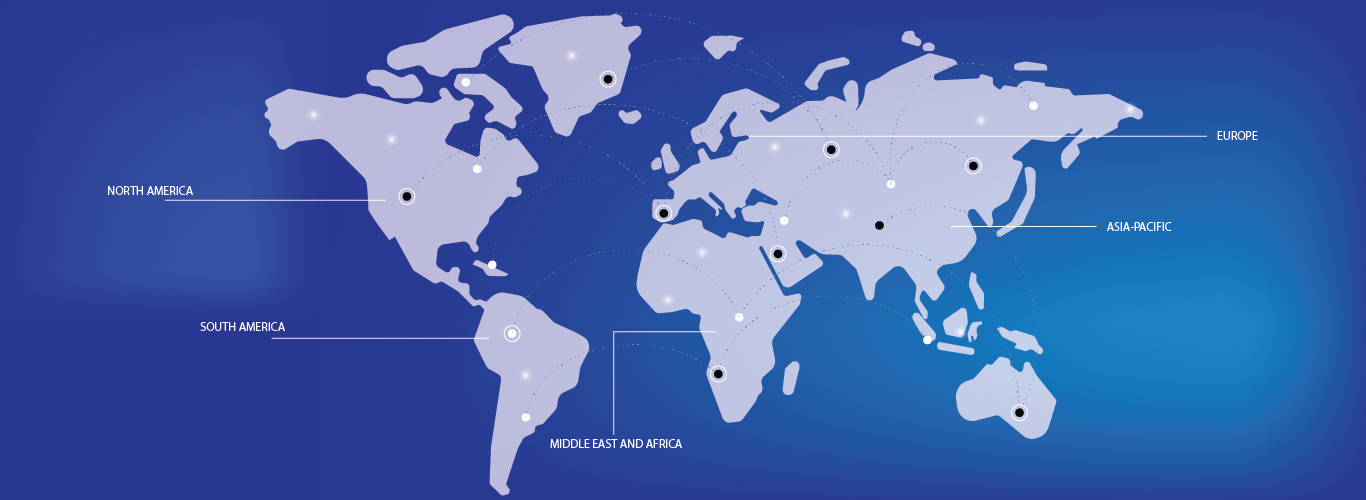
- North America is expected to dominate the flax fiber bottle market due to a growing awareness of environmental issues and an increasing demand for sustainable packaging alternatives to traditional plastics
- Asia-Pacific is expected to be the fastest growing region in the flax fiber bottle market during the forecast period due to increasing environmental concerns, expanding manufacturing sectors, and rising consumer demand for sustainable packaging
- Reusable bottles segment is expected to dominate the market with a market share of 53.1% due to the increasing consumer focus on sustainability and the growing demand for durable and eco-friendly alternatives to conventional plastic bottles, aligning with global efforts to reduce plastic waste