What is the Flocculants Market Size and Growth Rate?
- As per Data Bridge Market Research analysis, the flocculants market was valued at USD 1.17 billion in 2025 and is projected to reach USD 2.17 billion by 2033, growing at a CAGR of 8.0% from 2026 to 2033.
- The market is experiencing consistent growth driven by rising demand for efficient solid-liquid separation, increasing waste water treatment investment, and expanding applications across municipal utilities, mining, pulp and paper, oil and gas, food processing, and chemical manufacturing sectors.
- The increasing shift toward advanced water treatment, stricter effluent standards, and water reuse, combined with growing adoption of high-performance polymers and bio-based chemistries, is supporting market adoption. Flocculants are being applied across sewage sludge dewatering, mineral tailings thickening, paper mill clarification, industrial effluent treatment, and drinking water production, offering operators greater settling speed, cleaner effluent, lower sludge volumes, and improved process efficiency across demanding applications.
Market Size & Forecast
- Global Market Value (2025): USD 1.17 Billion
- Expected Market Value (2033): USD 2.17 Billion
- Forecast CAGR (2026–2033): 8.0%
- Leading Region in 2025: Asia-Pacific
- Fastest Growing Region: Middle East and Africa
What are the Major Takeaways of the Flocculants Market?
- Asia-Pacific dominated the flocculants market with the largest revenue share of 40.28% in 2025, supported by large municipal wastewater programs, strong mining and paper industries, and expanding polymer manufacturing capacity across China, India, and Southeast Asia.
- Middle East and Africa is expected to be the fastest-growing region at a CAGR of 9.86% from 2026 to 2033, fueled by desalination projects, expanding municipal infrastructure, mining activity, and growing industrial water reuse requirements.
- The synthetic segment led the market with a 78.46% share in 2025, driven by increasing demand for high-performance polymers with strong settling and dewatering efficiency.
- Natural flocculants are the fastest-growing type, projected to register a CAGR of 10.37%, reflecting the surge in demand for biodegradable, low-toxicity solutions for sensitive water treatment applications.
- The powder segment dominated the form category with a 47.35% revenue share in 2025, led by high polymer content, long shelf life, and cost-efficient transport and storage.
- Municipal water treatment accounted for 38.62% of the market share in 2025, preferred for sludge dewatering, clarification, and compliance with stricter wastewater discharge standards.
- The mining and mineral processing segment is the fastest-growing application category, with a CAGR of 9.41%, driven by increasing tailings thickening and water recovery needs.
Report Scope and Flocculants Market Segmentation
|
Attributes |
Flocculants Key Market Insights |
|
Segments Covered |
|
|
Countries Covered |
North America
Europe
Asia-Pacific
Middle East and Africa
South America
|
|
Key Market Players |
|
|
Market Opportunities |
|
|
Value Added Data Infosets |
In addition to the insights on market scenarios such as market value, growth rate, segmentation, geographical coverage, and major players, the market reports curated by the Data Bridge Market Research also include in-depth expert analysis, geographically represented company-wise production and capacity, network layouts of distributors and partners, detailed and updated acrylamide and raw material price trend analysis and deficit analysis of supply chain and demand. |
What is the Key Trend in the Flocculants Market?
- Flocculants are increasingly evolving from basic settling aids into engineered performance chemistries, combining tailored polymer architectures, bio-based alternatives, digital dosing, and activation technologies to improve solid-liquid separation, reduce sludge volumes, and lower chemical consumption across water-intensive industries.
- For instance, in September 2026, Solenis entered a global agreement with Moleaer to expand nanobubble technology for activating flocculant polymers, applied to the make-down water used to dilute polymers in dewatering, thickening, and clarification, highlighting the shift toward performance-enhancing technologies that improve polymer efficiency in demanding applications
- Operators are seeking flocculants that deliver faster settling, drier sludge cake, and cleaner effluent at lower dosages, supporting cost savings and improved plant performance.
- Sustainability is emerging as an important differentiator for flocculant suppliers, as customers seek biodegradable, renewable-based, and low-residual products that meet environmental regulations while maintaining dependable performance in demanding separation processes.
- For instance, in January 2025, Kemira Oyj commercially launched bio-flocculants, and SNF Group completed a 32.5% production expansion in 2023, underscoring market readiness for renewable alternatives to conventional polymers and growing customer interest in more sustainable water treatment chemistries across municipal and industrial applications
- As polymer activation, bio-based chemistries, smart dosing, and water reuse technologies continue to advance, flocculants are expected to expand beyond conventional clarification roles into resource recovery, tailings management, and circular water applications.
What are the Key Drivers of the Flocculants Market?
- Stricter wastewater discharge regulations and rising investment in treatment infrastructure have increased demand for flocculants that improve solids removal, sludge dewatering, and nutrient and contaminant control in municipal plants.
- For instance, in January 2025, according to the European Commission, the recast EU Urban Wastewater Treatment Directive entered into force, covering settlements above 1,000 inhabitants and introducing stricter nutrient removal, a new micropollutant treatment stage, and nutrient recovery from sludge, supporting demand for treatment chemicals across European utilities and related industries.
- Mining companies, paper mills, and industrial operators are adopting high-performance flocculants to recover water, thicken tailings, clarify process streams, and reduce discharge, benefiting from improved settling speed, lower sludge volumes, and operating cost savings.
- For instance, in February 2026, Färber & Schmid announced ZetaPol, a new generation of powdered flocculants developed for modern wastewater treatment applications.
- With water scarcity and compliance pressure rising, flocculants can support reliable treatment, higher water reuse, and integration across municipal, mining, paper, and industrial programs worldwide. Digital dosing platforms also help operators match polymer use to changing conditions.
What Factors are Challenging the Growth of the Flocculants Market?
- Flocculant production depends on acrylamide, acrylic acid, and petrochemical-derived monomers, exposing manufacturers to raw material and energy price volatility, supply disruptions, and margin pressure.
- For instance, in February 2026, according to Kemira’s Financial Statements Bulletin 2025, the market environment remained weak and slow on the industrial side, with uncertainty affecting packaging and pulp customers, although municipal water treatment demand remained rather stable overall.
- These conditions can delay industrial projects, reduce chemical volumes, and intensify price competition, particularly where customers renegotiate contracts or switch suppliers as economic uncertainty weighs on production levels. Producers that offer technical service, flexible supply, and application guidance are better positioned to retain customers during periods of cautious spending.
- Environmental scrutiny of residual monomers, microplastic concerns, and biodegradability also creates technical and regulatory challenges when synthetic polymers are used in sensitive discharge or drinking water applications. Customers increasingly request transparency. Suppliers therefore invest in safety data, product stewardship, and testing to demonstrate compliance with drinking water and discharge requirements.
- For instance, in September 2026, Germany’s Federal Cartel Office cleared Kemira’s acquisition of SIDRA Wasserchemie, announced in February 2026 for approximately EUR 75 million, following in-depth review proceedings focused on competitive conditions for metal salts, highlighting the regulatory scrutiny that can accompany consolidation in water treatment chemicals. Many buyers also review supplier concentration in regional markets.
- The combination of volatile raw material costs, weak industrial demand, regulatory scrutiny, and intense price competition can constrain profitability and slow adoption of premium products, particularly where established low-cost flocculants already satisfy customer performance and compliance requirements.
How is the Flocculants Market Segmented?
The flocculants market is segmented on the basis of type, form, application, and ionic charge.
- By Type
On the basis of type, the flocculants market is segmented into synthetic and natural. The synthetic segment dominated the market with 78.46% share in 2025, supported by increasing demand for high-performance polymers with strong settling and dewatering efficiency. Polyacrylamide-based products can be engineered with different molecular weights and charge densities to suit varied wastewater and process streams. They are widely used in municipal sludge treatment, mining, and paper production. Low dosage requirements, consistent quality, and broad supplier availability further strengthen demand. Suppliers also provide application testing and technical service that help operators optimize dosage and support long-term supply agreements.
The natural segment is projected to register the fastest growth at a CAGR of 10.37% from 2026 to 2033, driven by increasing demand for biodegradable, low-toxicity solutions for sensitive water treatment applications. Natural flocculants derived from starch, chitosan, cellulose, and plant extracts are valued for lower environmental impact and reduced residual monomer concerns. They are increasingly tested in drinking water, aquaculture, and food processing. Regulatory pressure and sustainability goals are encouraging adoption. Improvements in extraction, modification, and performance consistency are enhancing commercial feasibility. Rising customer preference for renewable chemistries is creating additional opportunities. Pilot projects also help validate performance. Suppliers are also investing in renewable feedstocks.
- By Form
On the basis of form, the flocculants market is segmented into powder, liquid, and emulsion. The powder segment dominated the market with 47.35% share in 2025, supported by high polymer content, long shelf life, and cost-efficient transport and storage. Dry polymers can be prepared on site using dissolution systems and dosed accurately for municipal and industrial applications. They are preferred for large-volume users, remote mining sites, and export markets. Established make-down equipment, strong product stability, and favorable freight economics further strengthen demand across regions. Reliable supply of dry polymer also supports continuous operation at plants that cannot tolerate treatment interruptions.
The liquid segment is projected to register the fastest growth at a CAGR of 9.14% from 2026 to 2033, supported by ease of handling, rapid dispersion, and compatibility with automated dosing systems. Liquid products reduce dust and simplify preparation, which is valuable for small and medium treatment plants with limited operating staff. They support quick response to changing influent conditions. Growing use in decentralized water treatment and industrial facilities is increasing consumption. Improved formulations are also extending shelf life and strengthening performance, which makes liquid products more competitive. Reduced labor requirements also help. Packaged liquid systems also suit remote sites.
- By Application
On the basis of application, the flocculants market is segmented into municipal water treatment, industrial wastewater treatment, mining and mineral processing, and pulp and paper. The municipal water treatment segment dominated the market with 38.62% share in 2025, supported by widespread use in sludge thickening, dewatering, clarification, and drinking water production. Utilities rely on flocculants to meet discharge limits and manage sludge volumes. Population growth, urbanization, and infrastructure upgrades sustain demand. Stricter nutrient and micropollutant requirements further encourage adoption of efficient treatment chemistries. Industrial customers also seek similar performance, but municipal plants provide the most predictable and large-volume demand, supported by public funding, long operating lives, and regular chemical procurement contracts.
The mining and mineral processing segment is projected to register the fastest growth at a CAGR of 9.41% from 2026 to 2033, driven by increasing tailings thickening, water recovery, and ore processing activity. Flocculants accelerate settling of fine particles, helping operators recycle process water and reduce tailings storage requirements. Mines in water-scarce regions place strong emphasis on recovery. Rising demand for metals and minerals supports processing volumes. Safety and environmental rules on tailings management are creating additional opportunities for high-performance polymer programs across large mining operations. Producers are also developing tailored polymers for different ore types and slurry conditions. Remote mining sites also value dependable supply and on-site support to avoid interruptions in thickening circuits.
- By Ionic Charge
On the basis of ionic charge, the flocculants market is segmented into anionic, cationic, non-ionic, and amphoteric. The anionic segment dominated the market with 44.19% share in 2025, supported by extensive use in mineral processing, clarification, and paper production, where negatively charged particles are common. Anionic polymers bind suspended solids effectively and are widely compatible with inorganic coagulants. They are used in tailings thickening, sand and gravel washing, and industrial effluent treatment. Established supply chains and broad application flexibility further strengthen demand. Mining and paper producers also value reliable performance under variable water conditions, which supports repeat purchasing. Reliable supply chains and local technical support also matter for continuous plant operation.
The cationic segment is projected to register the fastest growth at CAGR of 9.02% from 2026 to 2033, driven by increasing use in sludge dewatering at municipal and industrial treatment plants. Cationic polymers neutralize negatively charged organic particles and enable efficient solid-liquid separation. They are essential in biosolids handling, where drier cake reduces transport and disposal costs. Expanding wastewater treatment capacity and stricter sludge management requirements are increasing adoption. Specialized grades for paper retention and food processing effluent further widen opportunities. Suppliers also offer customized grades to optimize cake dryness. Biosolids reuse programs also support demand.
Which Region Holds the Largest Share of the Flocculants Market?
- Asia-Pacific dominated the flocculants market with the largest revenue share of 40.28% in 2025, supported by large municipal wastewater programs, strong mining and paper industries, and expanding polymer manufacturing capacity across China, India, and Southeast Asia.
- The region also benefits from large urban populations, expanding wastewater infrastructure, and a strong base of mining, textile, and paper manufacturers, along with the presence of major polymer producers. Increasing environmental regulation, industrial water reuse, and growing investment in sludge management continue to strengthen Asia-Pacific’s position in the global market.
U.S. Flocculants Market Insight
The U.S. flocculants market is witnessing steady growth due to extensive municipal wastewater infrastructure, large mining and mineral processing operations, and strong demand from pulp and paper and energy industries. The country’s focus on aging water infrastructure, together with strict discharge permits, is driving demand for efficient sludge dewatering and clarification chemistries. In addition, growing emphasis on water reuse, PFAS-related treatment upgrades, and operational efficiency is accelerating adoption of advanced flocculant programs across municipal and industrial applications. Large utilities also demand dependable supply.
Asia-Pacific Flocculants Market Insight
The Asia-Pacific flocculants market is expected to witness rapid growth, driven by expanding wastewater treatment capacity, strong industrial output, and tightening discharge standards across countries such as China, India, and Japan. Growing demand for sludge dewatering, mineral processing, and paper production chemicals is supporting regional market expansion. In addition, the region’s strong polymer manufacturing base and increasing investments in water reuse and industrial effluent treatment are accelerating demand for flocculants. Rapid urbanization also supports volumes. Government programs also support infrastructure upgrades.
Japan Flocculants Market Insight
The Japan flocculants market is witnessing consistent growth due to advanced water infrastructure, strict environmental standards, and focus on treatment efficiency. Municipal utilities and industrial users are increasingly adopting high-performance polymers and automated dosing systems to improve clarification and sludge handling. Moreover, strong demand for quality, reliability, and low-residual chemistries is further contributing to market growth in Japan. Aging plants also drive efficiency upgrades. Strong monitoring practices and plant operator training also support optimized dosing.
China Flocculants Market Insight
The China flocculants market is growing rapidly, driven by large-scale wastewater treatment programs, extensive mining and paper production, and substantial polyacrylamide manufacturing capacity. Growing use of flocculants in sludge dewatering and industrial effluent treatment is significantly boosting market demand. In addition, strong domestic production, increasing environmental enforcement, and expanding exports are positioning China as a key growth market for flocculant solutions across Asia-Pacific. Large paper and textile clusters also add steady demand. Environmental inspections also support compliance demand.
U.K. Flocculants Market Insight
The U.K. flocculants market is experiencing steady growth, supported by water utility investment programs, strict environmental permits, and a focus on sludge treatment efficiency. Water companies and industrial operators are increasingly adopting optimized polymer programs and digital dosing to reduce chemical use and improve effluent quality. Furthermore, growing attention to nutrient removal, storm overflow reduction, and sustainable chemistries is supporting wider adoption of flocculants in the U.K. Regulatory scrutiny also supports demand. Utilities also seek lower sludge hauling costs.
Germany Flocculants Market Insight
The Germany flocculants market is expanding steadily due to the country’s strong industrial base, advanced water management practices, and presence of leading water treatment chemical suppliers. Municipal utilities, paper producers, and chemical manufacturers are increasingly utilizing high-performance polymers and coagulants for efficient separation and compliance. Continuous advancements in treatment technology, sludge handling, and micropollutant removal, along with Germany’s focus on environmental protection and circular water use, are further driving market growth in the country. Strong research collaboration also helps.
Which are the Top Companies in Flocculants Market?
The flocculants industry is primarily led by well-established companies, including:
- SNF Group (France)
- Kemira Oyj (Finland)
- BASF SE (Germany)
- Solenis LLC (U.S.)
- Ecolab Inc. (U.S.)
- Veolia Environnement S.A. (France)
- Kurita Water Industries Ltd. (Japan)
- Ashland Inc. (U.S.)
- Clariant AG (Switzerland)
- Dow Inc. (U.S.)
- Ixom Operations Pty Ltd (Australia)
- Chemtrade Logistics Inc. (Canada)
- Chinafloc Chemical Co., Ltd. (China)
- Shandong Polymer Bio-chemicals Co., Ltd. (China)
- Anhui Tianrun Chemicals Co., Ltd. (China)
- Buckman Laboratories International, Inc. (U.S.)
- The Lubrizol Corporation (U.S.)
- Kuraray Co., Ltd. (Japan)
- Anhui Jucheng Fine Chemicals Co., Ltd. (China)
- Xitao Polymer Co., Ltd. (China)
What are Latest Developments in Flocculants Market?
- In October 2026, Kemira completed its acquisition of SIDRA Wasserchemie after approval from the German Federal Cartel Office, adding a coagulant producer with two production facilities in Germany serving municipal and industrial customers across Germany, Belgium, and the Netherlands, with about 60 employees joining Kemira. The deal was first announced on February 11, 2026 for approximately EUR 75 million.
- In January 2026, SNF Group completed its acquisition of Syensqo’s Oil & Gas division for an enterprise value of EUR 135 million, a business that generated net sales of approximately EUR 400 million in 2024 and employs around 600 people, broadening SNF’s technology offering in water-soluble polymers. The transaction was first announced on October 31, 2025.
- In October 2025, Kemira completed the acquisition of US-based Water Engineering, Inc., a roughly USD 150 million transaction that expands its Water Solutions business into industrial water treatment services, with integration work continuing as the company pursues its ambition to double water-related revenue over the long term and strengthen its position in North America. The deal also adds field service capability.
- In August 2025, SNF announced the acquisition of Obsidian Chemical Solutions LLC, a leading provider of specialty chemical solutions primarily for completion operations, based in Riceboro, Georgia, where SNF has also expanded monomer capacity, supporting the broader expansion of its presence in the United States. The acquisition also broadens customer reach. The purchase also supports services.
- In January 2024, SNF announced the acquisition of PfP Industries and Ace Fluid Solutions as part of a USD 250 million expansion plan funded through self-financing and partnerships, strengthening its position in water-soluble polymers and extending its service reach for customers. The expansion also supports regional production and distribution of specialty polymers for water and energy markets.
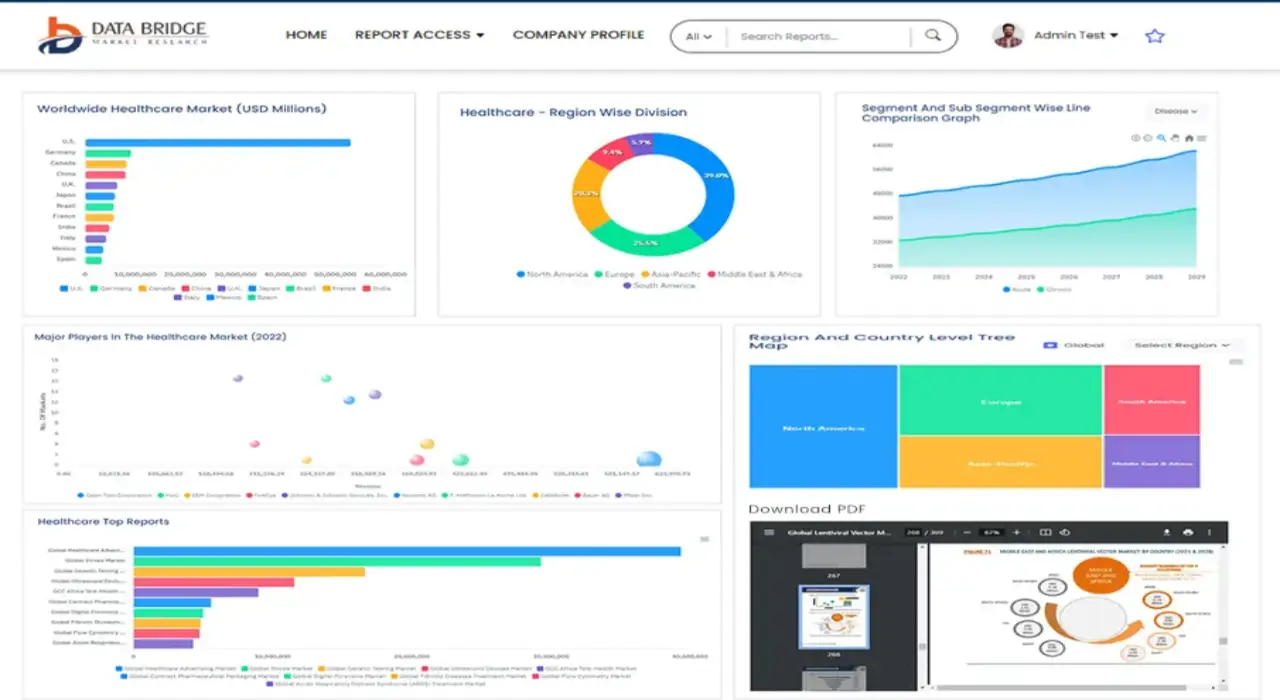
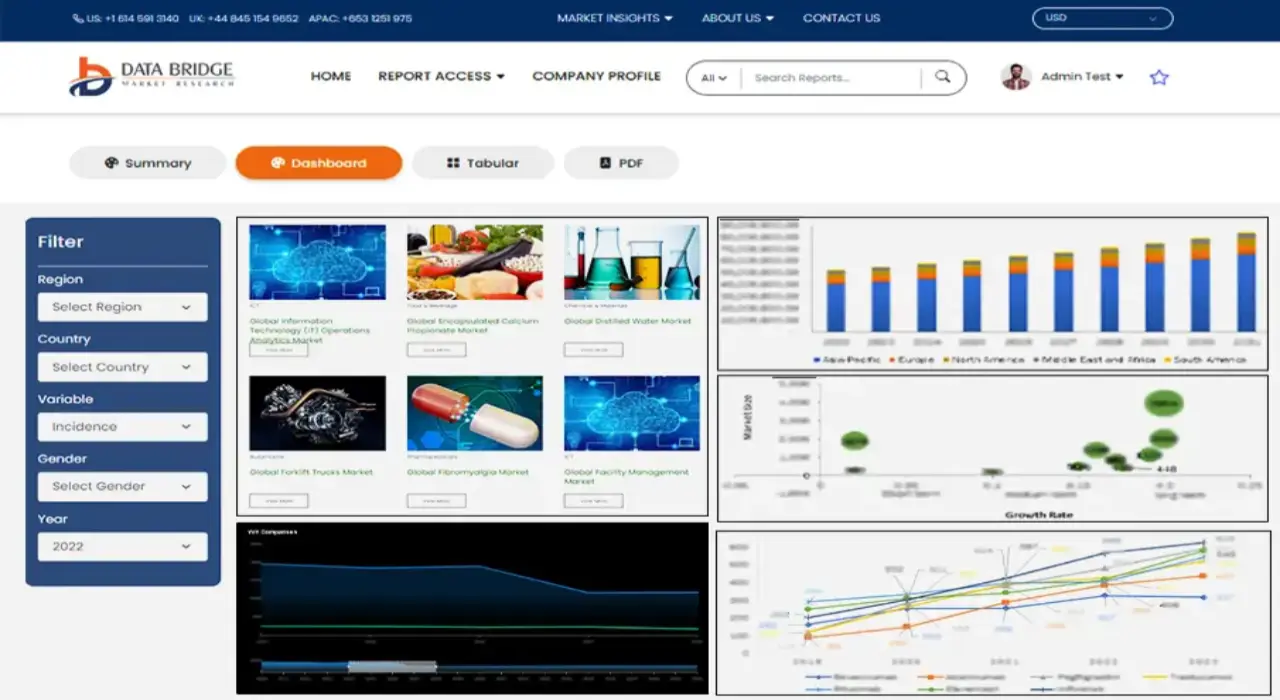
- Interactive Data Analysis Dashboard
- Company Analysis Dashboard for high growth potential opportunities
- Research Analyst Access for customization & queries
- Competitor Analysis with Interactive dashboard
- Latest News, Updates & Trend analysis
- Harness the Power of Benchmark Analysis for Comprehensive Competitor Tracking
Global Flocculants Market, Supply Chain Analysis and Ecosystem Framework
To support market growth and help clients navigate the impact of geopolitical shifts, DBMR has integrated in-depth supply chain analysis into its Global Flocculants Market research reports. This addition empowers clients to respond effectively to global changes affecting their industries. The supply chain analysis section includes detailed insights such as Global Flocculants Market consumption and production by country, price trend analysis, the impact of tariffs and geopolitical developments, and import and export trends by country and HSN code. It also highlights major suppliers with data on production capacity and company profiles, as well as key importers and exporters. In addition to research, DBMR offers specialized supply chain consulting services backed by over a decade of experience, providing solutions like supplier discovery, supplier risk assessment, price trend analysis, impact evaluation of inflation and trade route changes, and comprehensive market trend analysis.
Data collection and base year analysis are done using data collection modules with large sample sizes. The stage includes obtaining market information or related data through various sources and strategies. It includes examining and planning all the data acquired from the past in advance. It likewise envelops the examination of information inconsistencies seen across different information sources. The market data is analysed and estimated using market statistical and coherent models. Also, market share analysis and key trend analysis are the major success factors in the market report. To know more, please request an analyst call or drop down your inquiry.
The key research methodology used by DBMR research team is data triangulation which involves data mining, analysis of the impact of data variables on the market and primary (industry expert) validation. Data models include Vendor Positioning Grid, Market Time Line Analysis, Market Overview and Guide, Company Positioning Grid, Patent Analysis, Pricing Analysis, Company Market Share Analysis, Standards of Measurement, Global versus Regional and Vendor Share Analysis. To know more about the research methodology, drop in an inquiry to speak to our industry experts.
Data Bridge Market Research is a leader in advanced formative research. We take pride in servicing our existing and new customers with data and analysis that match and suits their goal. The report can be customized to include price trend analysis of target brands understanding the market for additional countries (ask for the list of countries), clinical trial results data, literature review, refurbished market and product base analysis. Market analysis of target competitors can be analyzed from technology-based analysis to market portfolio strategies. We can add as many competitors that you require data about in the format and data style you are looking for. Our team of analysts can also provide you data in crude raw excel files pivot tables (Fact book) or can assist you in creating presentations from the data sets available in the report.