What is the Halloysite Market Size and Growth Rate?
- As per Data Bridge Market Research analysis, the halloysite market was valued at USD 47.33 million in 2025 and is projected to reach USD 76.99 million by 2033, growing at a CAGR of 6.27% from 2026 to 2033.
- The market is experiencing consistent growth driven by rising demand for high-quality ceramics, increasing use of nanotubes in polymers and drug delivery, and expanding applications across paints, cosmetics, catalysis, and environmental remediation. Rising investment in specialty minerals and nanotechnology is also supporting new product development and wider commercial use.
- The increasing shift toward lightweight, high-strength materials, controlled-release delivery systems, and bio-based composites, combined with growing interest in natural nanomaterials as alternatives to synthetic tubes, is supporting market adoption. Halloysite is being applied across fine ceramics, polymer reinforcement, cosmetics, and wound care, offering manufacturers greater design freedom and performance from halloysite clay, nano clays, and clay-based nanomaterials.
Market Size & Forecast
- Global Market Value (2025): USD 47.33 Million
- Expected Market Value (2033): USD 76.99 Million
- Forecast CAGR (2026–2033): 6.27%
- Leading Region in 2025: Asia-Pacific
- Fastest Growing Region: Asia-Pacific
What are the Major Takeaways of the Halloysite Market?
- Asia-Pacific dominated the halloysite market with the largest revenue share of 41.60% in 2025, supported by large ceramics and porcelain industries, strong paints and coatings demand, and growing electronics and medical manufacturing.
- Asia-Pacific is also expected to be the fastest-growing region at a CAGR of 7.60% from 2026 to 2033, fueled by industrial expansion, rising investment in nanomaterials research, and growing healthcare and personal care demand.
- The halloysite clay segment led the market with a 68.40% share in 2025, driven by its established use in ceramics, porcelain, and industrial fillers.
- Halloysite nanotubes are the fastest-growing product type, projected to register a CAGR of 8.90%, reflecting rising demand for drug delivery, polymer reinforcement, and advanced coatings.
- The high-grade segment dominated the grade category with a 54.20% revenue share in 2025, led by its high purity, whiteness, and consistent tubular structure.
- Ceramics accounted for 44.70% of the market share in 2025, preferred for strength, whiteness, and translucency in fine China and technical ceramics.
- The medical & cosmetics segment is the fastest-growing application, with a CAGR of 8.60%, driven by controlled-release carriers, wound care, and skin care formulations.

Report Scope and Halloysite Market Segmentation
|
Attributes |
Halloysite Key Market Insights |
|
Segments Covered |
|
|
Countries Covered |
North America
Europe
Asia-Pacific
Middle East and Africa
South America
|
|
Key Market Players |
|
|
Market Opportunities |
|
|
Value Added Data Infosets |
In addition to the insights on market scenarios such as market value, growth rate, segmentation, geographical coverage, and major players, the market reports curated by the Data Bridge Market Research also include in-depth expert analysis, geographically represented company-wise production and capacity, network layouts of distributors and partners, detailed and updated price trend analysis and deficit analysis of supply chain and demand. |
What is the Key Trend in the Halloysite Market?
- Halloysite is increasingly moving from a ceramic raw material to a high-value functional nanomaterial, combining natural tubular structure, surface modification, and loading capacity for use in composites, coatings, and healthcare.
- For instance, in September 2026, Applied Minerals introduced DRAGONITE-BP-D501M on September 17, a halloysite clay-based reinforcing filler designed for biopolymer composites, showing how producers are developing specialized grades for sustainable plastics, packaging, and other bio-based applications that require stronger and more heat-resistant materials
- Functionalized and hybrid halloysite materials are gaining attention, as researchers load nanotubes with metals, drugs, and polymers to create catalysts, antibacterial surfaces, and smart coatings.
- Producers are increasingly offering tailored grades and technical support, as buyers compare materials on purity, aspect ratio, whiteness, particle size, and consistency across ceramics, polymer, and personal care applications.
- For instance, in March 2025, according to the National Library of Medicine (NLM), a review in ACS Applied Bio Materials described halloysite clay nanotubes, about 50 nanometers wide with a 15-nanometer lumen, as containers for drugs and proteins that allow controlled and sustained release over days to weeks, supporting growing interest in cosmetic and topical delivery
- As nanotechnology research, sustainable materials, medical applications, and specialty grades continue to advance, halloysite is expected to expand beyond ceramics into composites, packaging, healthcare, environmental technologies, and energy materials.
What are the Key Drivers of the Halloysite Market?
- The rapid shift toward natural, low-toxicity, and cost-effective nanomaterials has significantly increased demand for halloysite nanotubes as an alternative to synthetic carbon and boron nitride tubes. Growing research funding and industrial pilot projects are also expanding commercial interest.
- For instance, in May 2026, according to the Journal of Drug Delivery Science and Technology, a review described halloysite nanotubes as natural, biocompatible, and cost-effective clay nanomaterials with a high aspect ratio and hollow lumen, suitable for drug delivery, wound healing, and bone and dental regeneration, supporting broader biomedical interest.
- Ceramics manufacturers, polymer compounders, paint producers, cosmetic brands, and research institutions are adopting halloysite to improve strength, thermal stability, controlled release, and functional performance in advanced products. Collaboration between mineral suppliers and end users is improving product customization.
- For instance, in September 2025, Imerys showcased advanced mineral innovations for plastics and rubber applications at K 2025, reflecting continued industry interest in specialty mineral solutions for high-performance materials.
- With universities, material suppliers, and manufacturers collaborating on new formulations, halloysite can gain wider visibility, qualification, and repeat orders across ceramics, composites, healthcare, and environmental applications. Technical service and application testing are also becoming important competitive tools.
What Factors Are Challenging the Growth of the Halloysite Market?
- Commercial-quality halloysite deposits are limited and geographically concentrated, so supply depends on a small number of mines, and purification and processing add cost compared with common clays such as kaolin. Logistics costs and quality variation between deposits can further complicate supply planning.
- For instance, in February 2026, Applied Minerals emerged from Chapter 11 after a restructuring that removed approximately USD 63 million of term debt, highlighting the financial strain on specialized halloysite producers and the capital intensity of mining and processing a limited resource.
- These supply and cost constraints can limit availability for large-volume users, while price sensitivity in ceramics and paints may restrict adoption of higher-priced nanotube grades, particularly in emerging markets and commodity applications.
- Limited long-term toxicity data, evolving nanomaterial regulations, and difficulty achieving uniform dispersion in polymers further restrict growth, requiring producers to invest in testing, surface treatment, and technical support that may increase development and compliance costs. Standardized test methods and quality certifications are still developing for nanotube grades.
- The combination of limited mineral supply, processing costs, regulatory uncertainty, and competition from kaolin, bentonite, and synthetic nanotubes can constrain adoption among cost-sensitive buyers and smaller manufacturers, particularly where conventional fillers already meet basic performance needs.
How is the Halloysite Market Segmented?
The halloysite market is segmented on the basis of product type, grade, application, and end-use industry.
- By Product Type
On the basis of product type, the halloysite market is segmented into halloysite clay and halloysite nanotubes. The halloysite clay segment dominated the market with 68.40% share in 2025, supported by its established use in ceramics, porcelain, and industrial fillers. Processed clay is valued for whiteness, low iron content, and ability to improve strength during firing. Producers supply powders and granules in a range of particle sizes. Long-standing supply relationships with ceramic manufacturers strengthen demand. Competitive pricing and wide availability compared with refined nanotubes continue to support the segment’s leadership, while new grades for coatings and plastics are widening its use. Technical grades for refractories and sanitaryware also support steady volumes.
The halloysite nanotubes segment is projected to register the fastest growth at a CAGR of 8.90% from 2026 to 2033, driven by increasing demand for drug delivery, polymer reinforcement, and advanced coatings. Natural nanotubes with a hollow lumen can carry active agents and release them slowly. Their dual surface chemistry, with silica on the outside and alumina on the inside, allows selective loading and functionalization. Growing research in biomedical, cosmetic, and catalytic uses is creating additional demand. Improvements in purification and surface modification are enhancing performance, while partnerships between mineral producers and research groups support commercialization. Interest in bio-based composites and smart coatings is further widening the opportunity.
- By Grade
On the basis of grade, the halloysite market is segmented into high-grade, medium-grade, and low-grade. The high-grade segment dominated the market with 54.20% share in 2025, supported by high purity, whiteness, and a consistent tubular structure needed for ceramics, cosmetics, and medical uses. High-grade material commands premium prices and is used in demanding formulations. The segment also benefits from tight quality control and long-term supply contracts with specialty buyers. Continuous improvement in beneficiation and testing further strengthens its leadership. Its reliability also reduces rejection rates in precision manufacturing and supports qualification in regulated industries. Long-term supply agreements help producers plan mining and processing capacity.
The medium-grade segment is projected to register the fastest growth at a CAGR of 6.90% from 2026 to 2033, driven by rising demand for cost-efficient fillers and reinforcement in paints, plastics, and construction materials. These grades provide useful performance at lower prices than high-grade products. Processors are improving classification and milling to increase consistency. Growing use in coatings and polymers is creating additional opportunities. Demand from emerging markets and price-sensitive manufacturers supports growth. Producers are also developing intermediate products that balance performance, availability, and cost for volume applications such as cement additives and flame-retardant plastics.
- By Application
On the basis of application, the halloysite market is segmented into ceramics, polymers & composites, medical & cosmetics, paints & coatings, and others. The ceramics segment dominated the application category with 44.70% share in 2025, supported by strength, whiteness, and translucency in fine china, porcelain, and technical ceramics. Halloysite improves plasticity and firing behavior, and helps achieve smooth surfaces. Large ceramics industries in Asia and Europe use it in premium tableware and tiles. Established customer relationships and long-term sourcing continue to reinforce this segment's leadership, while demand for decorative and high-end sanitaryware adds volume. Producers also supply customized blends to meet firing and color requirements.
The medical & cosmetics segment is projected to register the fastest growth at a CAGR of 8.60% from 2026 to 2033, driven by increasing use of halloysite nanotubes as carriers for drugs, proteins, and cosmetic actives. Controlled and sustained release over days to weeks supports topical products and wound dressings. Researchers are exploring dental, bone, and antibacterial applications. Personal care brands are interested in natural mineral-based ingredients. Safety data, regulatory approvals, and consistent quality remain important considerations for wider adoption. Collaboration between clinicians, universities, and suppliers is helping move formulations from the laboratory to products. Rising consumer awareness of natural ingredients is also supporting product launches.
- By End-Use Industry
On the basis of end-use industry, the halloysite market is segmented into construction & ceramics, healthcare & pharmaceuticals, personal care, automotive & transportation, electronics & energy, and others. The construction & ceramics segment dominated the end-use category with 40.80% share in 2025, supported by use in porcelain, tiles, cement additives, and refractory products. Manufacturers value halloysite for strength, shrinkage control, and surface quality. Urban development and rising demand for premium ceramics create steady consumption. Established supply chains and long-term contracts continue to reinforce this segment's leadership, and renovation activity supports demand for high-quality finishes. Government investment in housing and infrastructure further supports consumption.
The healthcare & pharmaceuticals segment is projected to register the fastest growth at a CAGR of 8.50% from 2026 to 2033, driven by research into drug delivery, wound care, and tissue regeneration. Halloysite nanotubes are being tested with antibiotics, anticancer agents, and bioactive molecules. Polymer composites with halloysite are used in dressings and scaffolds. Partnerships between universities and material suppliers are supporting development. Clinical evidence, toxicity data, and regulatory clearance remain key for long-term adoption. Growing demand for advanced wound care and targeted therapies is also encouraging investment in pharmaceutical-grade processing. Rising healthcare spending in emerging economies is expected to widen the customer base.
Which Region Holds the Largest Share of the Halloysite Market?
- Asia-Pacific dominated the halloysite market with the largest revenue share of 41.60% in 2025, supported by large ceramics and porcelain industries, strong paints and coatings demand, and growing electronics and medical manufacturing.
- The region also benefits from large porcelain and tile manufacturing, strong demand from paints and plastics industries, and growing investment in nanomaterials research and medical devices. Increasing consumption of premium ceramics, rapid industrial expansion, and active mineral processing capacity continue to strengthen Asia-Pacific’s position in the global market. Expanding export-oriented production also supports regional demand.
Japan Halloysite Market Insight
The Japan halloysite market is witnessing consistent growth due to advanced materials research, high-quality ceramics manufacturing, and growing interest in nanotube-based technologies. Universities, material producers, and manufacturers are increasingly exploring halloysite for membranes, coatings, and composites. Moreover, strong demand for precision materials, environmental technologies, and innovation partnerships, including research on halloysite-based filtration membranes, is further contributing to market growth in Japan. Collaboration between industry and academia is also shortening development cycles.
China Halloysite Market Insight
The China halloysite market is growing rapidly, driven by large ceramics and porcelain production, strong paints and plastics industries, and expanding nanomaterials research. Growing domestic mining and processing of clay minerals is significantly boosting market demand. In addition, strong chemical manufacturing, government support for advanced materials, rising use in catalysts and environmental treatment, and a large base of research institutions are positioning China as a key growth market across Asia-Pacific.
North America Halloysite Market Insight
The North America halloysite market is driven by growing demand for advanced ceramics, polymer composites, cosmetics, and biomedical materials. Increasing research into halloysite nanotubes for controlled drug delivery, environmental remediation, and functional coatings is creating new growth opportunities. The region benefits from established research institutions, advanced manufacturing capabilities, and rising investments in nanotechnology. However, limited high-quality deposits and processing costs may constrain expansion. Growing interest in sustainable, high-performance materials is expected to support future market development.
U.S. Halloysite Market Insight
The U.S. halloysite market is witnessing steady growth due to the presence of domestic mining operations, strong research activity, and rising demand for specialty fillers and nanomaterials. The country’s large advanced materials sector, along with active development of biopolymer composites, coatings, and medical applications, is driving demand for halloysite grades. In addition, strong university research, innovation funding, supply chain security initiatives, and demand for domestic supply of critical industrial minerals are accelerating adoption across industries. Growing demand for domestic mineral supply is also encouraging new product trials.
Canada Halloysite Market Insight
The Canada halloysite market is supported by growing demand for specialty minerals across ceramics, polymers, coatings, and advanced materials. Increasing research into halloysite nanotubes for drug delivery, environmental remediation, and sustainable product development is creating emerging opportunities. Canada's strong mining sector, academic research capabilities, and focus on clean technologies may encourage further application development. However, limited domestic supply, processing requirements, and competition from alternative nanomaterials could restrict market expansion.
Which are the Top Companies in Halloysite Market?
The halloysite industry is primarily led by well-established companies, including:
- American Elements (U.S.)
- Applied Minerals, Inc. (U.S.)
- Imerys S.A. (France)
- I-Minerals Inc. (Canada)
- Merck KGaA (Germany)
- Eczacıbaşı Esan (Turkey)
- Otto Chemie Pvt. Ltd. (India)
- Nanoshel LLC (U.S.)
- Phantom Plastics LLC (U.S.)
- Northstar Clay Mines LLC (U.S.)
- Andromeda Metals Limited (Australia)
- NaturalNano, Inc. (U.S.)
- Reade International Corp. (U.S.)
- Active Minerals International LLC (U.S.)
- KaMin LLC (U.S.)
- Quartz Works GmbH (Germany)
- SCR-Sibelco N.V. (Belgium)
- Thiele Kaolin Company (U.S.)
- Ashapura Group of Industries (India)
- Living Nature (New Zealand)
What are Latest Developments in Halloysite Market?
- In September 2026, Applied Minerals introduced DRAGONITE-BP-D501M, a new halloysite clay-based reinforcing filler designed specifically for biopolymer composites. The launch extends the company’s DRAGONITE portfolio into sustainable plastics and packaging applications and builds on its recent financial restructuring, as demand grows for bio-based materials with improved mechanical and thermal performance. The company also promotes technical support for compounders.
- In November 2024, Ionic Mineral Technologies secured a fully permitted, 4,000-acre halloysite property lease in Utah, United States, to expand its mineral resource base for producing nano-silicon anode materials used in next-generation electric vehicle batteries.
- n November 2023, Andromeda Metals signed a non-binding head of agreement with Traxys Europe to explore sales, distribution, and purchasing opportunities for its halloysite-kaolin products in selected ceramic tile markets.
- In July 2024, Imerys completed the disposal of assets serving the paper market to an affiliate of Flacks Group for a net equity value of approximately €150 million, as part of its broader portfolio repositioning toward specialty minerals and higher-value applications. This was a company-wide strategic development rather than a halloysite-specific transaction.
- In February 2026, Applied Minerals emerged from Chapter 11 following a restructuring that removed approximately USD 63 million of term debt. The company said it is positioned to expand halloysite mining, processing, and marketing from its Dragon Mine in Utah, and to introduce additional product grades, strengthening domestic supply for ceramics, polymers, and specialty applications.
- In January 2025, Ionic Mineral Technologies announced that its Ionisil™ nano-silicon anode material achieved a reported carbon footprint of 1.11–1.42 kg CO₂-equivalent per kWh in an independent life-cycle assessment conducted by Minviro, supporting its sustainability positioning in battery materials.
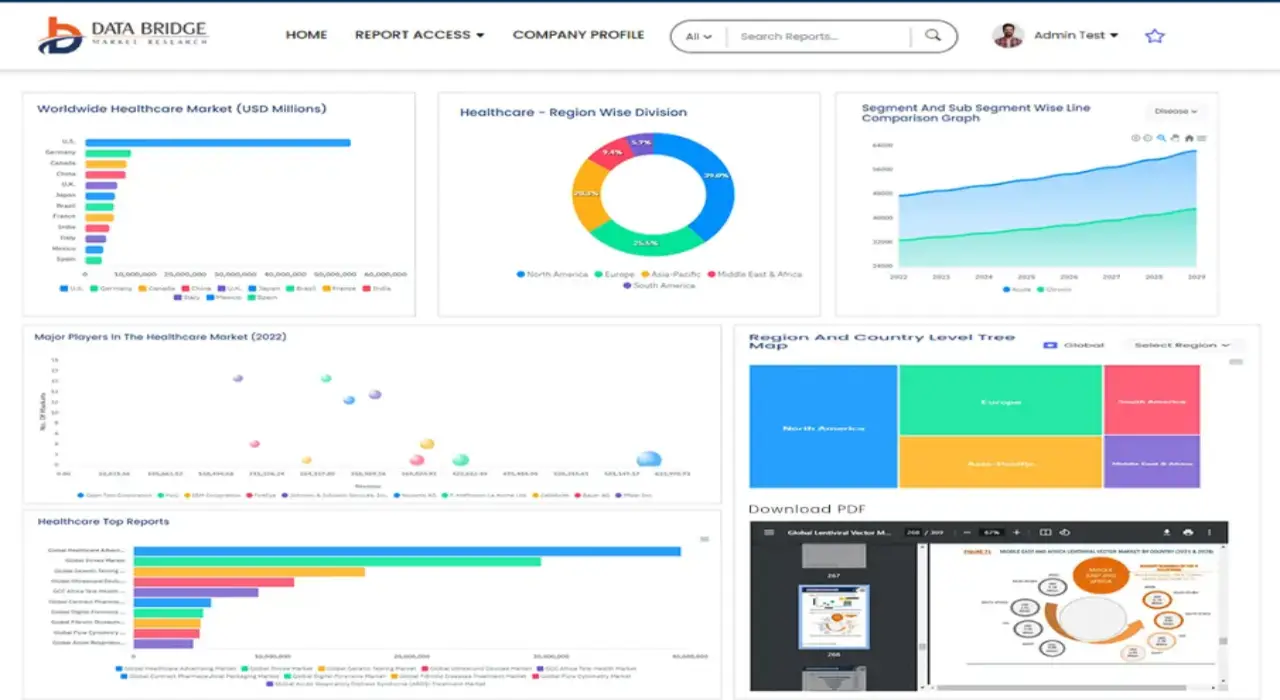
- Interactive Data Analysis Dashboard
- Company Analysis Dashboard for high growth potential opportunities
- Research Analyst Access for customization & queries
- Competitor Analysis with Interactive dashboard
- Latest News, Updates & Trend analysis
- Harness the Power of Benchmark Analysis for Comprehensive Competitor Tracking
Global Halloysite Market, Supply Chain Analysis and Ecosystem Framework
To support market growth and help clients navigate the impact of geopolitical shifts, DBMR has integrated in-depth supply chain analysis into its Global Halloysite Market research reports. This addition empowers clients to respond effectively to global changes affecting their industries. The supply chain analysis section includes detailed insights such as Global Halloysite Market consumption and production by country, price trend analysis, the impact of tariffs and geopolitical developments, and import and export trends by country and HSN code. It also highlights major suppliers with data on production capacity and company profiles, as well as key importers and exporters. In addition to research, DBMR offers specialized supply chain consulting services backed by over a decade of experience, providing solutions like supplier discovery, supplier risk assessment, price trend analysis, impact evaluation of inflation and trade route changes, and comprehensive market trend analysis.
Data collection and base year analysis are done using data collection modules with large sample sizes. The stage includes obtaining market information or related data through various sources and strategies. It includes examining and planning all the data acquired from the past in advance. It likewise envelops the examination of information inconsistencies seen across different information sources. The market data is analysed and estimated using market statistical and coherent models. Also, market share analysis and key trend analysis are the major success factors in the market report. To know more, please request an analyst call or drop down your inquiry.
The key research methodology used by DBMR research team is data triangulation which involves data mining, analysis of the impact of data variables on the market and primary (industry expert) validation. Data models include Vendor Positioning Grid, Market Time Line Analysis, Market Overview and Guide, Company Positioning Grid, Patent Analysis, Pricing Analysis, Company Market Share Analysis, Standards of Measurement, Global versus Regional and Vendor Share Analysis. To know more about the research methodology, drop in an inquiry to speak to our industry experts.
Data Bridge Market Research is a leader in advanced formative research. We take pride in servicing our existing and new customers with data and analysis that match and suits their goal. The report can be customized to include price trend analysis of target brands understanding the market for additional countries (ask for the list of countries), clinical trial results data, literature review, refurbished market and product base analysis. Market analysis of target competitors can be analyzed from technology-based analysis to market portfolio strategies. We can add as many competitors that you require data about in the format and data style you are looking for. Our team of analysts can also provide you data in crude raw excel files pivot tables (Fact book) or can assist you in creating presentations from the data sets available in the report.