- Hemiballismus treatments, involving pharmacological therapies, deep brain stimulation, and supportive neurological care, are increasingly vital components of modern neurotherapeutic strategies due to their potential to manage severe, involuntary movement symptoms in both acute and chronic neurological settings
- The escalating demand for hemiballismus treatment is primarily fueled by the increasing incidence of stroke-related complications, growing awareness about rare movement disorders, and a rising preference for non-invasive and precision-targeted therapies, including dopamine antagonists and neuromodulation techniques
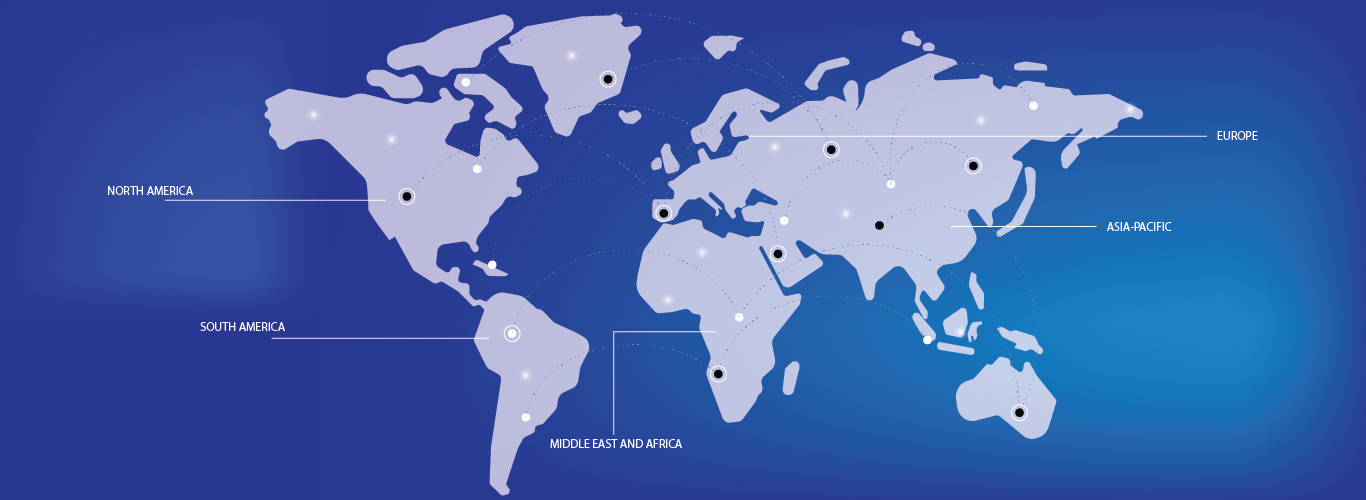
- North America dominated the hemiballismus treatment Market with the largest revenue share of 41.3% in 2024, characterized by advanced healthcare infrastructure, high healthcare spending, and strong research funding in neurology. The U.S. has experienced substantial growth in hemiballismus treatment procedures, particularly within academic medical centers and specialized movement disorder clinics, driven by innovations in neuropharmacology and surgical neuromodulation
- Asia-Pacific is expected to be the fastest-growing region in the hemiballismus treatment market during the forecast period due to increasing access to specialized neurological care, growing stroke incidence, and rising healthcare investments in countries such as China, India, and South Korea
- The therapy segment dominated the hemiballismus treatment market with a market share of 46.7% in 2024, driven by its established role in first-line treatment using antipsychotic medications and dopamine-depleting agents, as well as ongoing research into novel neuroinhibitory drug formulations