- Histone deacetylase (HDAC) inhibitors, a class of epigenetic drugs that modulate gene expression by altering histone acetylation, are becoming increasingly important in the treatment of cancer and neurological disorders due to their targeted mechanism of action and potential to reverse abnormal cell behavior at the molecular level
- The surging demand for HDAC inhibitors is primarily driven by the rising global burden of cancer, growing awareness of epigenetic-based therapies, and the increasing number of clinical trials focused on novel HDAC-targeted formulations. Their use is also expanding into neurological and inflammatory diseases, further enhancing market potential
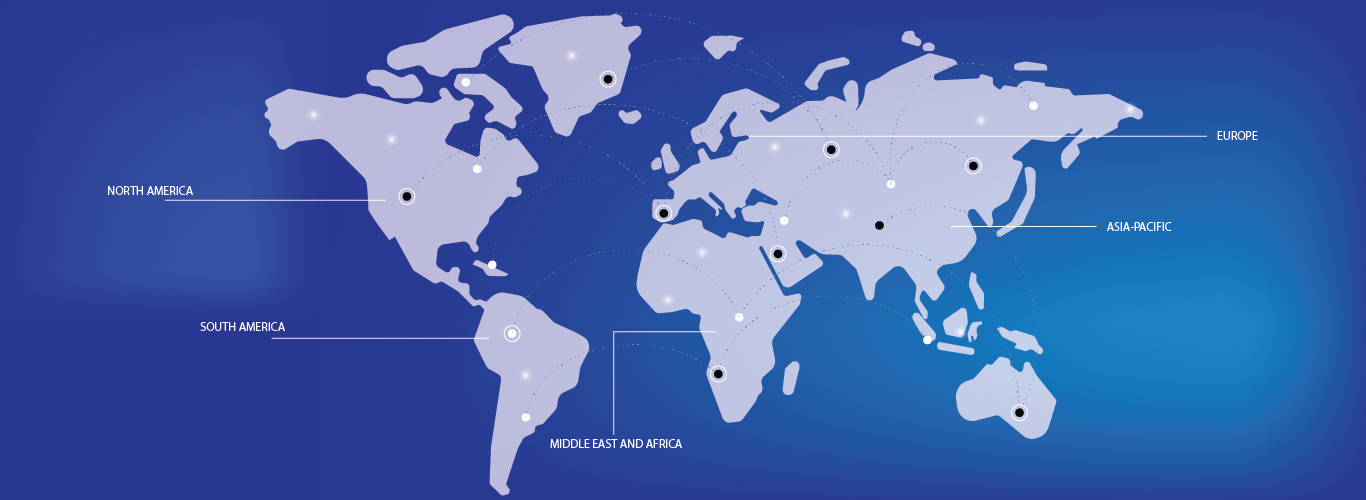
- North America dominates the HDAC inhibitors market with the largest revenue share of over 45% in 2025, attributed to the region's strong R&D infrastructure, high prevalence of cancer, favorable regulatory support, and robust investments from pharmaceutical and biotechnology companies. The U.S., in particular, leads due to its advanced clinical research ecosystem and growing adoption of precision oncology treatments
- Asia-Pacific is projected to be the fastest-growing region in the HDAC inhibitors market during the forecast period, driven by increasing healthcare spending, rising cancer incidence, and expanding access to novel therapeutics in countries like China, India, and South Korea
- The Oncology segment is expected to dominate the market with a market share exceeding 60% in 2025, as HDAC inhibitors are widely used in treating hematologic malignancies and solid tumors. Drugs such as vorinostat, romidepsin, and belinostat continue to lead the clinical application landscape due to their proven efficacy in cutaneous and peripheral T-cell lymphomas