- Immortalized cell lines are specialized cells that have been genetically modified or naturally adapted to proliferate indefinitely in vitro, making them critical tools for research in drug discovery, cancer studies, regenerative medicine, and vaccine production. These cell lines are equipped with advanced properties, such as consistent reproducibility and scalability, enabling their use in a wide range of biomedical applications.
- The escalating demand for immortalized cell lines is primarily driven by their ability to support high-throughput screening, disease modeling, and therapeutic development, coupled with increasing investments in biotechnology research and the growing prevalence of chronic diseases like cancer.
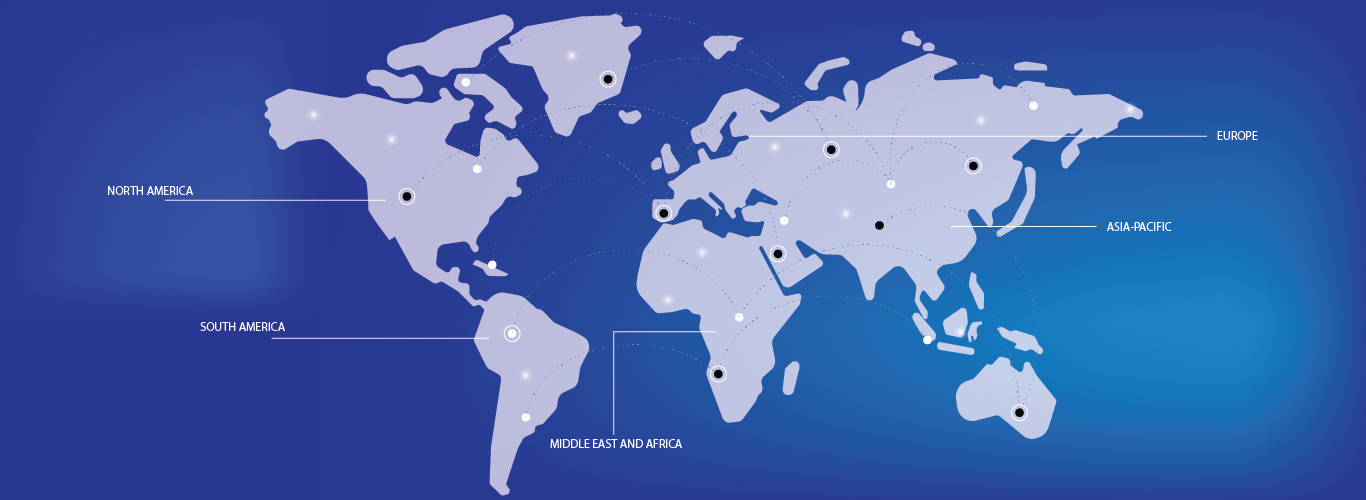
- North America held the largest revenue share of 38.45% in the global immortalized cell line market in 2024, driven by a robust biotechnology infrastructure, significant research funding, and high adoption rates in pharmaceutical and academic research. The United States, in particular, has emerged as a leader due to the presence of major biotechnology companies and supportive regulatory frameworks.
- The Asia-Pacific region is anticipated to experience the fastest growth rate during the forecast period, propelled by rapid advancements in healthcare infrastructure, increasing government investments in biotechnology, and rising research activities in countries such as China, India, and Japan.
- Among product types, the human cell line segment dominated the market with a commanding share of over 55.91% in 2024, attributed to its widespread use in drug discovery, cancer research, and regenerative medicine due to its relevance to human physiology.