- Industrial protective clothing comprises garments designed to safeguard workers against a variety of hazards such as flames, chemicals, cuts, high-visibility requirements, and electrical arc flashes. These garments are made from specialized materials—like Nomex, Kevlar, and high-performance polymers—to offer thermal resistance, chemical impermeability, and mechanical durability.
- The market is experiencing steady growth due to heightened regulatory enforcement by bodies such as OSHA (Occupational Safety and Health Administration) in the U.S., the European Agency for Safety and Health at Work (EU-OSHA), and equivalent agencies in Asia-Pacific, which mandate the use of certified protective apparel.
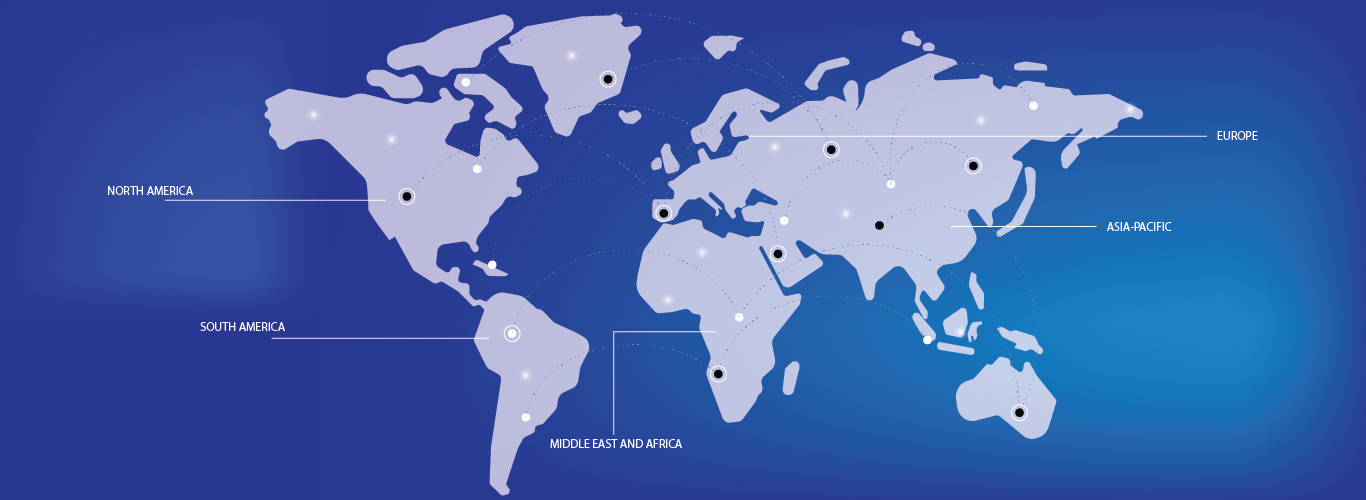
- Asia-Pacific is expected to dominate the Global Industrial Protective Clothing Market, driven by rapid industrialization, large workforce in hazardous sectors, and government initiatives to enforce safety standards in countries like China, India, and Southeast Asian nations. This region accounted for over 40 % of global consumption in 2024.
- North America is projected to be the second-largest region, supported by robust adoption of advanced protective solutions, significant R&D investments by key players, and well-established supply chains. The U.S. market, in particular, witnesses continuous innovations in smart textiles and wearable sensors to monitor worker vitals and environmental conditions.
- By product type, the Coveralls segment holds the largest market share due to its comprehensive protection coverage and widespread use in multiple end-use industries. Jackets and Gloves segments also constitute significant shares, especially in cold-temperature operations and chemical handling applications.