- Intranasal antidepressants, offering rapid-acting relief through direct nasal delivery to the central nervous system, are increasingly vital components in the management of major depressive disorder (MDD) and treatment-resistant depression due to their fast onset of action, improved bioavailability, and ease of administration
- The escalating demand for intranasal antidepressants is primarily fueled by the growing prevalence of depression, unmet clinical needs in treatment-resistant cases, and increasing awareness among healthcare providers about novel delivery methods that offer quicker symptom relief compared to oral formulations
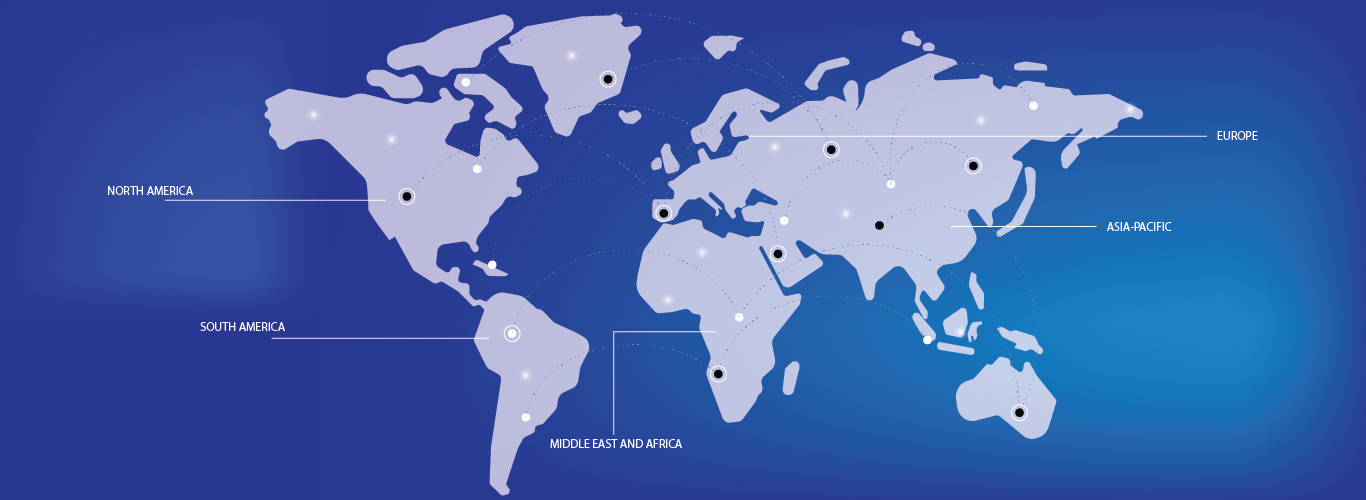
- North America dominated the intranasal antidepressant market with the largest revenue share of 41.6% in 2024, supported by early adoption of innovative therapeutics, strong pharmaceutical R&D infrastructure, and favorable reimbursement policies. The U.S. particularly experienced substantial uptake due to rising mental health awareness, FDA approvals such as esketamine (Spravato), and expansion of mental health services post-COVID-19
- Asia-Pacific is expected to be the fastest-growing region in the Intranasal Antidepressant market during the forecast period, projected to grow at a CAGR of 20.3% from 2025 to 2032. This growth is driven by increasing urbanization, rising prevalence of depression and anxiety disorders, expanding healthcare access, and progressive regulatory frameworks in countries such as China, Japan, and India
- The adult segment dominated the intranasal antidepressant market with a market share of 74.3% in 2024, driven by the high prevalence of major depressive disorder and anxiety among adults. Increased workplace stress and lifestyle-related mental health issues contribute significantly to this dominance, making adults the primary target population for intranasal antidepressant therapies