- Isoprene is a colorless volatile liquid hydrocarbon that serves as a crucial building block in the production of synthetic rubber and other polymers. It is primarily used to manufacture polyisoprene—a synthetic analog of natural rubber—offering excellent elasticity, tensile strength, and durability. Isoprene is typically derived as a by-product of petroleum-based cracking processes or synthesized from formaldehyde and isobutylene. The resulting polymer-grade and chemical-grade isoprene are extensively used across sectors such as automotive, healthcare, personal care, and construction for applications like tires, medical gloves, adhesives, and sealants.
- The isoprene market is experiencing notable growth driven by increasing demand for high-performance synthetic rubber in the automotive and medical sectors. Rising vehicle production and greater emphasis on fuel efficiency are accelerating the need for durable rubber-based components such as tires, engine mounts, and hoses. Simultaneously, the medical industry is witnessing higher adoption of polyisoprene-based gloves and equipment, particularly in the wake of hygiene and safety awareness. Moreover, investments in bio-based isoprene production technologies are creating sustainable growth opportunities, aligning with industry trends toward renewable and cost-efficient alternatives.
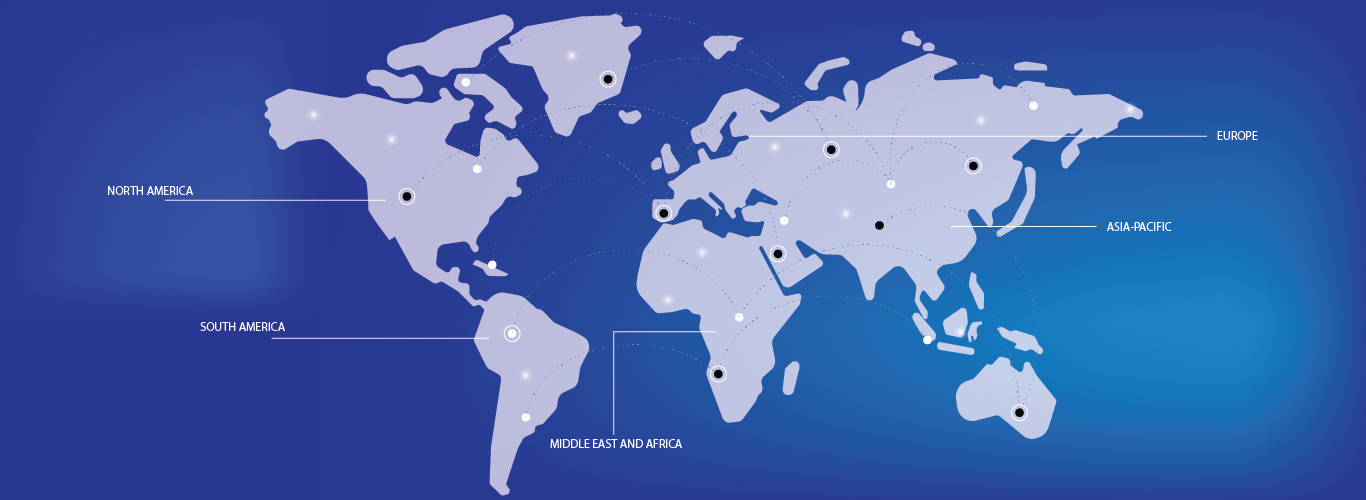
- North America is expected to dominate the isoprene market due to the region’s expansive automotive manufacturing base, rising healthcare expenditure, and large-scale production capacity in China, India, and Southeast Asia. In contrast, Europe is projected to witness the highest CAGR during the forecast period, fueled by stringent environmental regulations, increasing R&D in sustainable rubber alternatives, and the adoption of isoprene in advanced manufacturing sectors.
- By Grade, Polymer Grade isoprene is the largest segment by revenue, primarily owing to its extensive usage in synthetic rubber production—especially for tires, latex products, and medical applications where high elasticity and purity are crucial. Meanwhile, Chemical Grade isoprene is expected to grow at a higher CAGR during the forecast period, driven by its increasing application in adhesives, resins, and specialty chemicals across personal care and industrial sectors.