- Lab-grown organoids are innovative 3D cell culture models that closely mimic human organ function, making them valuable tools for drug testing, disease modeling, and personalized medicine
- The demand for lab-grown organoids is significantly driven by the need for more accurate and predictive preclinical testing models, reducing the reliance on animal testing and improving drug development efficiency
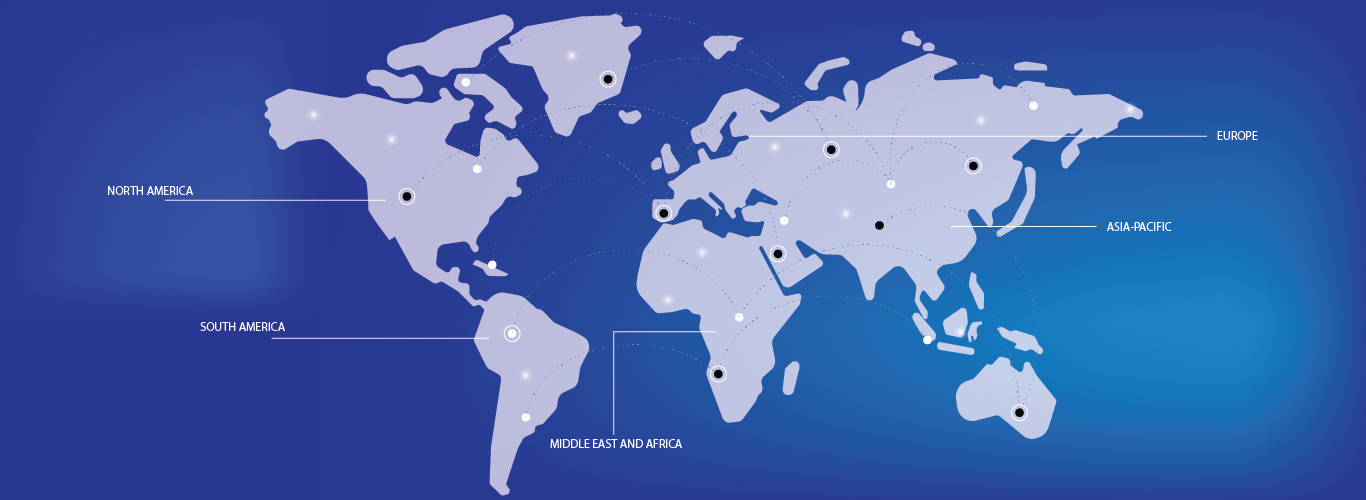
- North America is expected to dominate the lab-grown organoids for drug testing market with share of 35.5% due to advanced biotechnology research infrastructure, strong pharmaceutical R&D investments, and early adoption of cutting-edge technologies
- Asia-Pacific is expected to be the fastest growing region in the lab-grown organoids for drug testing market with a share of 16.5% during the forecast period due to increasing healthcare investments, growing awareness about personalized medicine, and expanding biotechnology sector
- The liver organoids segment is expected to dominate the market, with a market share of 43.2%, due to their crucial role in drug metabolism and toxicity studies. As a key tool for pharmaceutical companies in early-stage drug testing, liver organoids closely mimic human liver function, increasing their significance in drug discovery and testing processes. Their ability to replicate human liver function and improve the accuracy of drug testing further contributes to their market dominance