- Mental health chatbot services, offering AI-powered conversational support for mental well-being, are becoming increasingly vital components of digital healthcare ecosystems across both clinical and non-clinical settings due to their 24/7 availability, anonymity, and scalability in providing mental health support
- The escalating demand for mental health chatbot services is primarily fueled by increasing global mental health concerns, a shortage of licensed therapists, growing smartphone penetration, and rising awareness about digital mental health interventions
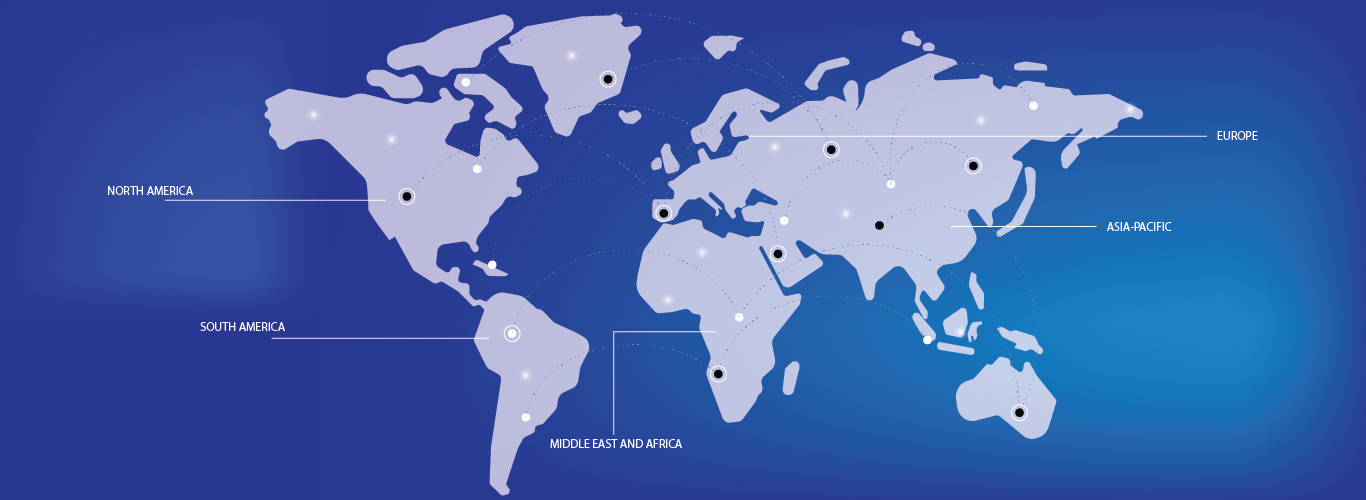
- North America dominated the mental health chatbot services market with the largest revenue share of 40.01% in 2024, characterized by early adoption of digital health tools, high mental health awareness, supportive reimbursement policies, and a strong presence of leading technology firms. The U.S. saw notable growth in mental health chatbot usage across universities, corporate wellness programs, and direct-to-consumer platforms
- Asia-Pacific is projected to be the fastest growing region in the mental health chatbot services market during the forecast period, with a CAGR of 23.5% from 2025 to 2032, driven by rising smartphone usage, increasing mental health awareness, expanding internet infrastructure, and the push for affordable healthcare solutions in countries such as India, China, and Southeast Asian nations
- The cloud-based deployment segment dominated the mental health chatbot services market with a market share of 69.4% in 2024, owing to its easy scalability, reduced upfront infrastructure costs, and seamless remote access capabilities. Cloud-based platforms are increasingly preferred by healthcare providers and mental wellness app developers for their flexibility, cost-efficiency, and ability to support large-scale user engagement across geographies