- Metastatic castrate resistant prostate cancer (mCRPC) treatments, including advanced hormone therapies, chemotherapy, radiopharmaceuticals, and immunotherapy, are becoming increasingly vital components of modern oncology care due to their effectiveness in managing advanced-stage prostate cancer and improving patient survival outcomes
- The escalating demand for mCRPC treatment is primarily fueled by the rising global incidence of prostate cancer, growing geriatric population, and increasing availability of next-generation targeted therapies and diagnostic tools
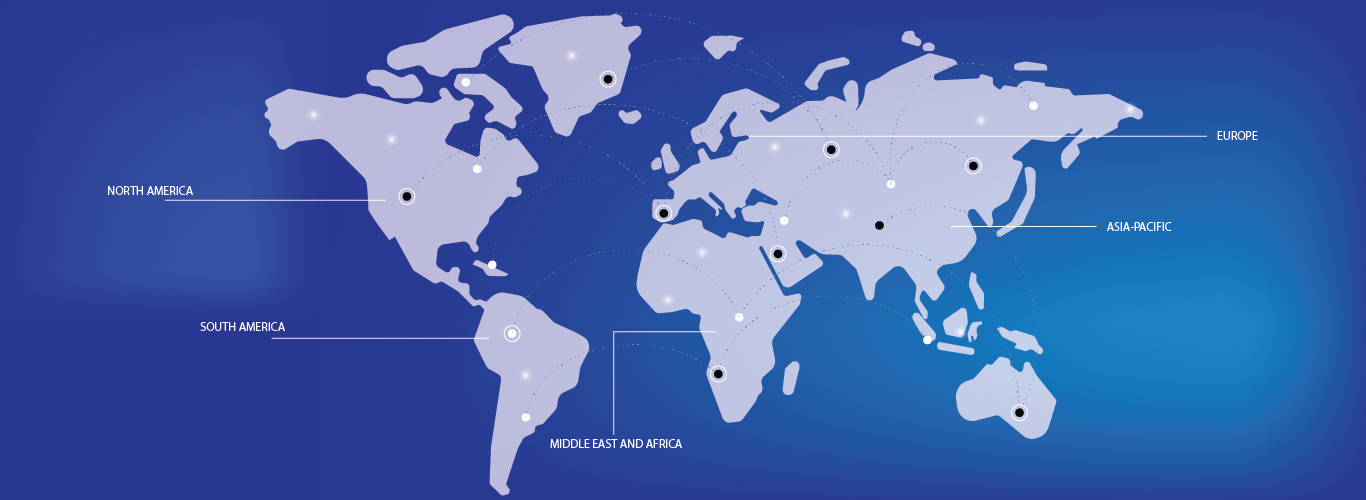
- North America dominated the metastatic castrate resistant prostate cancer treatment market with the largest revenue share of 41.7% in 2024, characterized by early adoption of innovative cancer therapies, robust healthcare infrastructure, favorable reimbursement policies, and the strong presence of key biopharmaceutical companies
- Asia-Pacific is expected to be the fastest-growing region in the metastatic castrate resistant prostate cancer treatment market, projected to grow at a CAGR of 24.7% during the forecast period (2025–2032). This growth is supported by increasing awareness of prostate cancer, improvements in healthcare infrastructure, growing healthcare expenditure, and rising access to modern oncology treatments across countries such as China, Japan, and India
- The hormone therapies segment dominated the metastatic castrate resistant prostate cancer treatment market with a market share of 44.6% in 2024, driven by their established role as the first-line treatment in managing advanced prostate cancer. These therapies, particularly androgen receptor inhibitors, have demonstrated significant efficacy in delaying disease progression and improving patient survival, making them a cornerstone in clinical practice