- The multi-cancer early detection (MCED) market is gaining momentum as a transformative approach in oncology, offering the ability to screen for multiple types of cancers through a single test, often using liquid biopsy techniques. This innovation is reshaping cancer diagnostics due to its non-invasive nature, early detection potential, and ability to improve survival rates
- The accelerating demand for MCED solutions is primarily driven by increasing cancer incidence rates globally, technological advancements in genomics and bioinformatics, and the growing emphasis on precision medicine and preventative healthcare
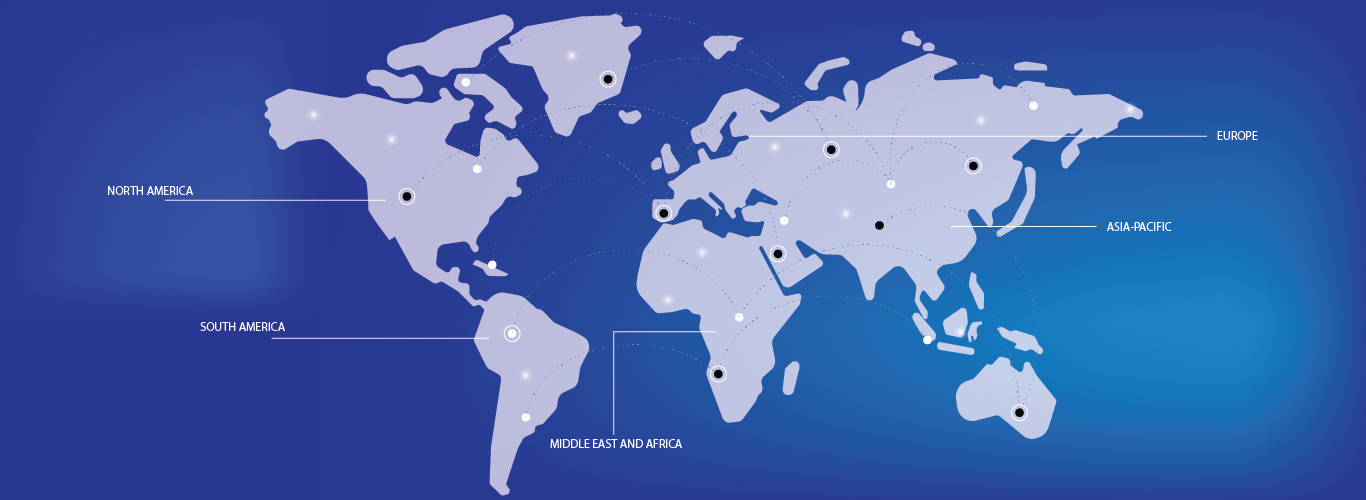
- North America dominated the multi-cancer early detection market with the largest revenue share of 42.3% in 2024, owing to robust R&D investments, favorable regulatory support, and widespread adoption of advanced diagnostic tools. The U.S., in particular, has witnessed significant uptake of MCED solutions, propelled by initiatives from biotech firms and healthcare providers integrating early detection tests into routine screenings
- Asia-Pacific is expected to be the fastest-growing region in the multi-cancer early detection market during the forecast period, with a projected CAGR of 21.3% from 2025 to 2032. This growth is fueled by increasing cancer burden, improving healthcare infrastructure, and rising awareness about early diagnostics, especially in countries like China, India, and Japan
- The Liquid Biopsy segment dominated the multi-cancer early detection market with the largest revenue share of 47.3% in 2024, owing to its non-invasive nature, ability to detect multiple cancers from a single blood draw, and growing preference among healthcare providers for early detection techniques