- The market is experiencing steady growth as enterprises and service providers seek cost-effective, short-reach solutions for high-bandwidth connectivity
- Multi-mode optical transceivers are widely adopted in local area networks (LANs), data centers, and enterprise networks due to their lower cost and ease of installation compared to single-mode solutions
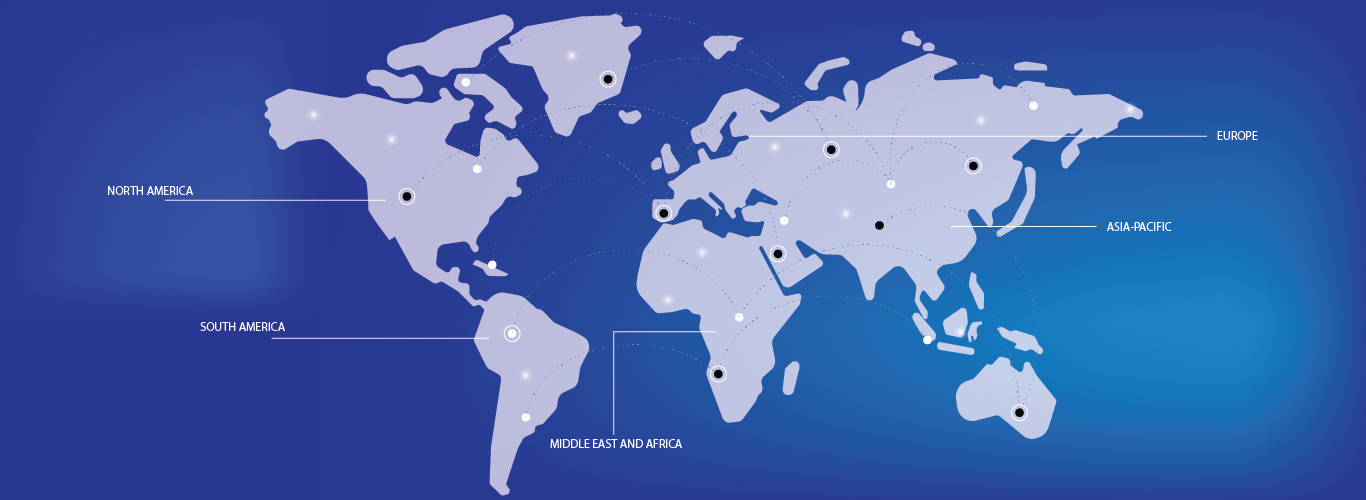
- Asia-Pacific dominated the multi-mode optical transceiver market with the largest revenue share of 38.5% in 2024, driven by rapid digitalization, expansion of cloud data centers, and growing demand for high-speed internet infrastructure across developing economies
- The Europe region is expected to witness the highest growth rate in the global multi-mode optical transceiver market, driven by rising adoption of sustainable data transmission technologies, widespread 5G deployment, and growing emphasis on cloud connectivity and digital transformation across multiple sectors
- The QSFP, QSFP+, QSFP14, and QSFP28 segment held the largest market revenue share in 2024, driven by its growing use in high-performance computing and data center environments. These form factors offer high-density, high-speed connectivity ideal for scaling bandwidth in top-of-rack and aggregation layers. Enterprises and hyperscale cloud operators increasingly prefer QSFP modules due to their versatility in supporting 40G and 100G networks