- Nanofiber-based wound dressings, offering advanced wound healing through superior moisture control, breathability, and antimicrobial properties, are increasingly vital components of modern wound care in both clinical and home settings due to their enhanced healing efficacy, biocompatibility, and ability to mimic natural extracellular matrices
- The escalating demand for nanofiber-based wound dressings is primarily fueled by the rising prevalence of chronic wounds, diabetic ulcers, and post-surgical infections, along with growing awareness of advanced wound care products and the shift towards personalized and regenerative medicine
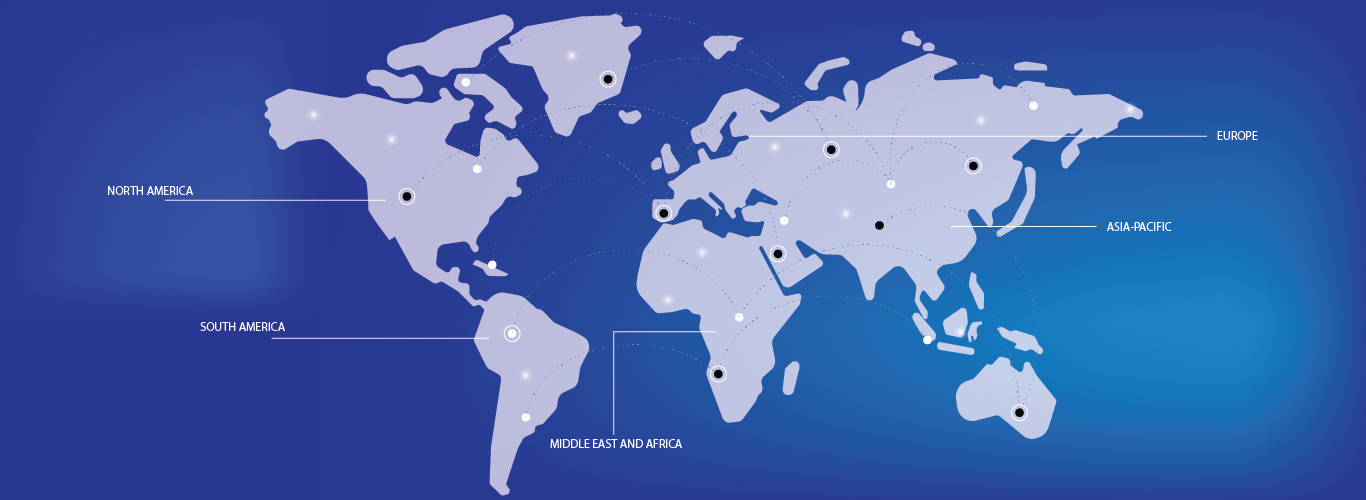
- North America dominated the nanofiber-based wound dressings market with the largest revenue share of 40.51% in 2024, driven by high healthcare expenditure, technological advancements, and a strong presence of key industry players. The U.S. is experiencing substantial growth in the use of nanofiber-based dressings, particularly in chronic wound management and post-operative care, supported by clinical research and FDA approvals
- Asia-Pacific is expected to be the fastest-growing region in the nanofiber-based wound dressings market, projected to register a CAGR of 9.8% from 2025 to 2032, owing to increasing urbanization, rising incidence of diabetes, government initiatives in healthcare infrastructure, and growing adoption of advanced medical technologies in countries such as China, India, and Japan
- The polymeric nanofibers segment dominated the nanofiber-based wound dressings market, with a market share of 47.1% in 2024, driven by widespread adoption due to their biocompatibility, scalability, and cost-effectiveness