- Neonatal jaundice management, encompassing phototherapy devices and diagnostic tools, is a critical component of neonatal care aimed at reducing elevated bilirubin levels in newborns to prevent severe complications such as kernicterus and neurological damage
- The rising demand for neonatal jaundice management solutions is driven by increasing birth rates, heightened awareness of early jaundice detection, and the growing prevalence of neonatal hyperbilirubinemia, especially in developing regions with limited access to advanced care
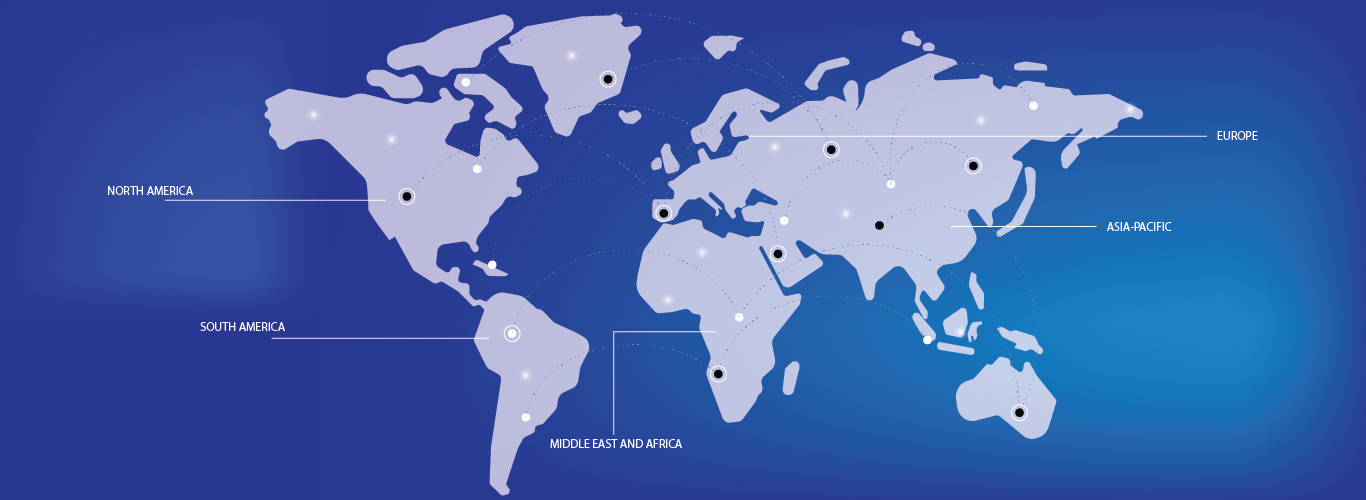
- North America dominated the neonatal jaundice management market with the largest revenue share of 39.5% in 2024, attributed to strong healthcare infrastructure, favorable reimbursement policies, and the early adoption of innovative phototherapy technologies in neonatal intensive care units (NICUs), particularly in the U.S.
- Asia-Pacific is projected to witness the fastest growth in the the neonatal jaundice management market, during the forecast period, supported by government investments in maternal and child healthcare, rising healthcare expenditures, and increasing access to affordable phototherapy devices in countries such as India and China
- Treatment segment dominated the neonatal jaundice management market with a market share of 64.8% in 2024, driven by its critical role in reducing bilirubin levels through phototherapy and exchange transfusion, which are essential for preventing severe complications