- Neuronal Ceroid-Lipofuscinoses (NCL), a group of rare inherited neurodegenerative disorders, are increasingly gaining attention in the global healthcare sector due to their severe impact on neurological function and limited treatment options. Advances in genetic testing, enzyme replacement therapies, and personalized medicine are significantly contributing to the development of targeted NCL solutions across research and clinical settings
- The escalating demand for effective NCL treatments is primarily fueled by growing awareness of rare diseases, increased government funding for orphan drug development, and the rising availability of newborn screening programs enabling early diagnosis and intervention
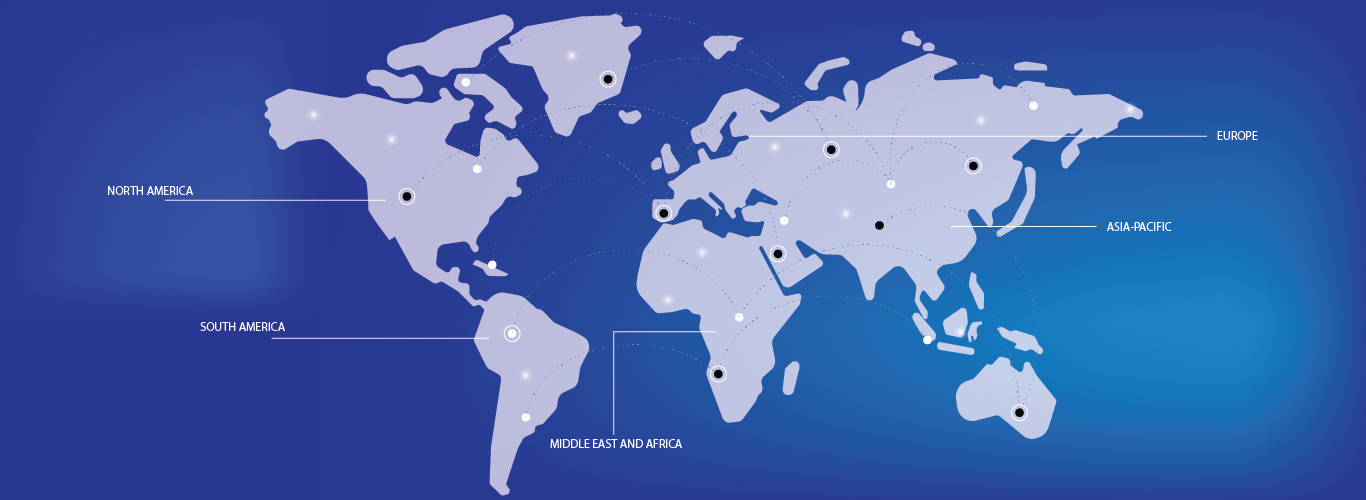
- North America dominated the neuronal ceroid-lipofuscinoses market with the largest revenue share of 41.2% in 2024, characterized by early adoption of innovative therapeutic platforms, high healthcare expenditure, and the strong presence of key biopharmaceutical companies. The U.S. has seen substantial advancements in clinical trials and FDA approvals for NCL-related gene and enzyme therapies, driven by innovation from both large pharma and rare disease-focused biotech firms
- Asia-Pacific is expected to be the fastest-growing region in the neuronal ceroid-lipofuscinoses market during the forecast period, due to increasing investments in rare disease research, expanding access to healthcare infrastructure, and growing awareness of genetic disorders among the regional population
- The physical therapy segment dominated the neuronal ceroid-lipofuscinoses market with a revenue share of 56.5% in 2024, due to its crucial role in improving mobility and reducing physical deterioration in patients