- Osteonecrosis treatment solutions, encompassing pharmacological therapies, surgical interventions, and regenerative medicine, are becoming increasingly vital in orthopedic and trauma care settings. This is due to the rising incidence of osteonecrosis linked to corticosteroid use, alcohol abuse, and trauma, as well as an aging population susceptible to degenerative bone conditions
- The escalating demand for osteonecrosis treatment is primarily driven by improvements in diagnostic modalities such as MRI and CT scans, advancements in stem cell therapies, and the growing adoption of minimally invasive surgical techniques that aim to preserve joint function and delay the need for total joint replacement
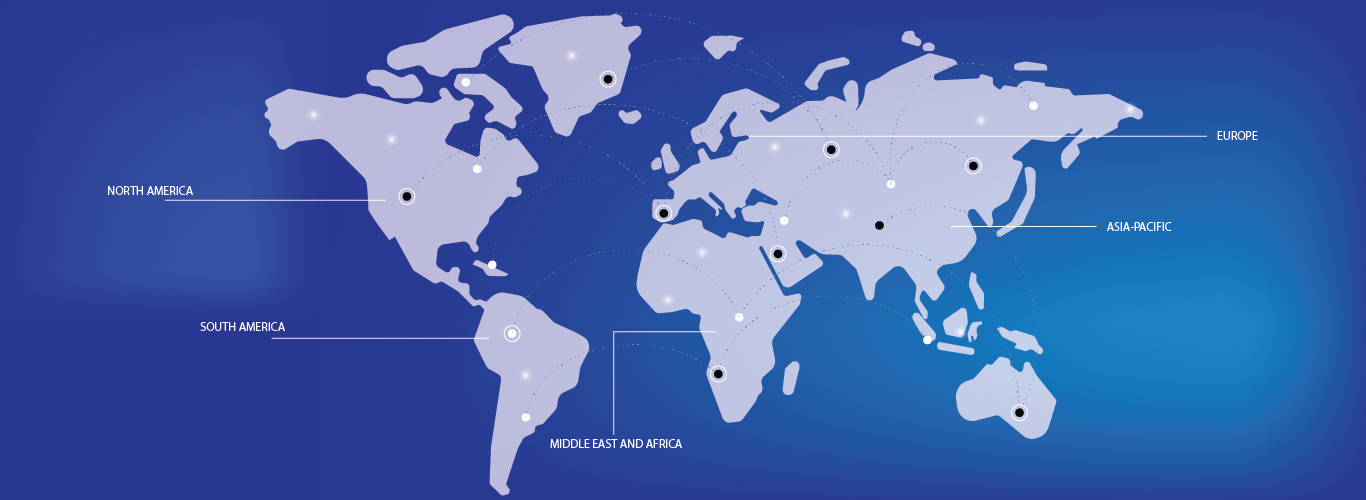
- North America dominated the osteonecrosis treatment market with the largest revenue share of 49% in 2024, characterized by early adoption of advanced treatment protocols, well-established healthcare infrastructure, high healthcare spending, and robust clinical research activities
- Asia-Pacific is expected to be the fastest-growing region in the osteonecrosis treatment market, projected to grow at a CAGR of 12.3% during the forecast period (2025–2032). This growth is driven by increasing awareness, improving healthcare infrastructure, rising disposable incomes, and government initiatives supporting orthopedic care
- The joint replacement therapy segment dominated the osteonecrosis treatment market, accounting for a market share of 52.4% in 2024, driven by its widespread use in advanced-stage osteonecrosis cases where joint preservation is no longer viable. Total hip and knee replacements are highly effective in restoring mobility and alleviating pain, especially in elderly populations. However, Stem Cell Therapy is anticipated to witness the fastest growth, owing to its regenerative potential and increasing clinical adoption