- Oviposition-deterring pheromones, which function by preventing pest insects from laying eggs on treated crops, are becoming increasingly critical components of sustainable pest management strategies across agricultural settings due to their targeted action, environmental safety, and compatibility with organic farming standards
- The escalating demand for oviposition-deterring pheromones is primarily fueled by growing concerns over pesticide resistance, stringent regulatory frameworks against chemical pesticides, and a rising preference among farmers and agribusinesses for residue-free, eco-friendly crop protection solutions
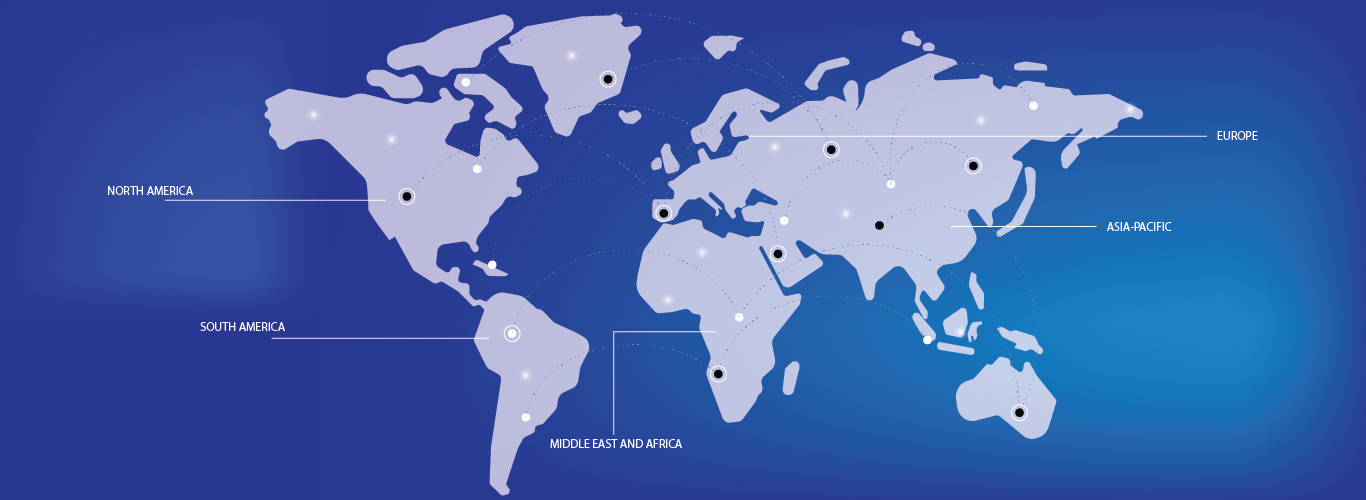
- North America dominated the oviposition-deterring pheromones market with a share of 41.4% in 2024, due to rapid adoption of sustainable pest control technologies and the region's strong emphasis on environmentally responsible farming practices
- Asia-Pacific is expected to be the fastest growing region in the oviposition-deterring pheromones market during the forecast period due to rapid agricultural expansion, growing pest pressures, and increasing acceptance of eco-friendly alternatives across developing economies
- Crops protection segment dominated the oviposition-deterring pheromones market with a market share of 53.1% in 2024, due to increasing emphasis on sustainable agriculture and the reduction of chemical pesticide usage. Oviposition-deterring pheromones serve as an eco-friendly solution to protect crops from pest infestation by disrupting the reproductive cycle of insects, thus reducing larval populations without harming beneficial insects or the environment