- PEGylation refers to a biochemical process of attachment of polyethylene glycol, which aids in treating chronic conditions with the help of genetic modifications. It provides several benefits, such as reduced dosage frequency, improved drug solubility, and increased drug stability, which boost its demand in the market.
- The increasing global prevalence of transthyretin amyloidosis (ATTR), coupled with advancements in diagnostic capabilities, is driving the demand for PEGylated protein therapeutics. Enhanced awareness and early diagnosis initiatives are enabling quicker identification and treatment initiation, propelling the need for innovative therapies.
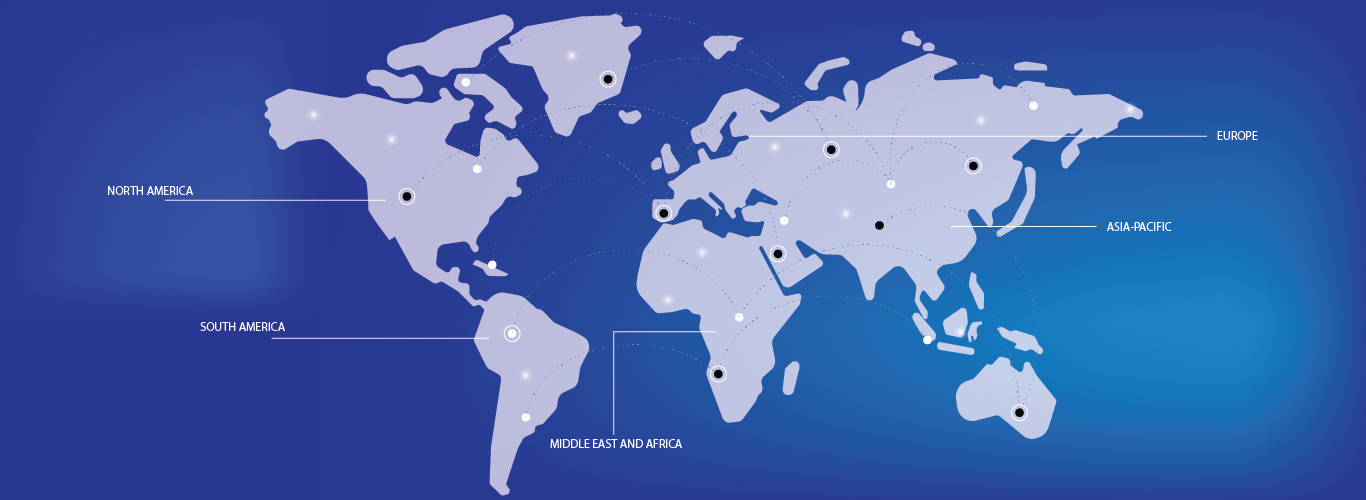
- North America is projected to lead the Global PEGylated Protein Therapeutics Market, accounting for the largest revenue share of 40.01% in 2025. This dominance is supported by early adoption of novel therapeutics, higher healthcare spending, strong reimbursement structures, and the robust presence of major pharmaceutical players. The U.S., in particular, is witnessing significant growth due to the availability of approved therapies like tafamidis and the expansion of clinical trials.
- The Asia-Pacific region is anticipated to be the fastest-growing market during the forecast period, driven by increasing urbanization, improving healthcare infrastructure, rising disposable incomes, and a growing focus on rare diseases. Countries such as China, Japan, and South Korea are investing heavily in early diagnosis and treatment access for amyloidosis.
- The Colony Stimulating Factor segment is projected to capture the largest market share of 43.2% in 2025, driven by its demonstrated clinical effectiveness, well-established safety profile, and its critical role in managing neutropenia associated with chemotherapy. PEGylated formulations enhance its half-life, reducing dosing frequency and improving patient adherence—making it a preferred therapeutic choice among oncologists and hematologists.