- Pelvic Congestion Syndrome (PCS), a chronic condition caused by varicose veins in the pelvic region, is increasingly recognized in both clinical and outpatient settings due to enhanced diagnostic awareness and the growing use of imaging technologies such as ultrasound and MRI
- The rising demand for minimally invasive treatments, including embolization therapy and laparoscopic interventions, is fueling market growth. Women of reproductive age, particularly those experiencing chronic pelvic pain, are increasingly seeking specialized care for PCS, creating a substantial patient pool
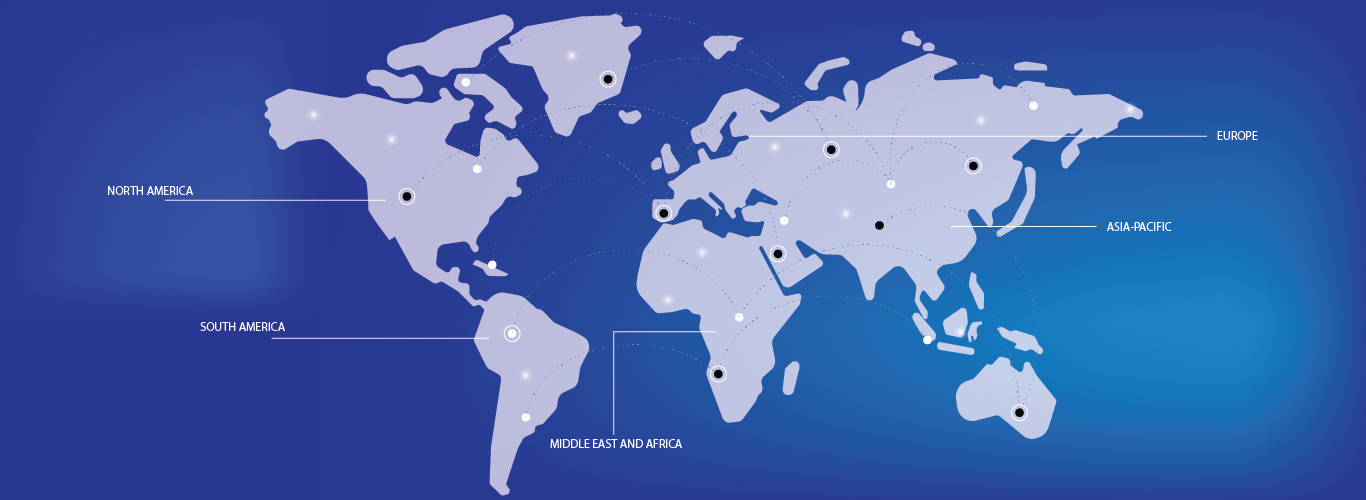
- North America dominated the pelvic congestion syndrome market with the largest revenue share of 41.8% in 2024, attributed to advanced healthcare infrastructure, early disease awareness, and high adoption of minimally invasive procedures. The U.S. is at the forefront, with significant investments in interventional radiology and gynecology supporting market expansion
- Asia-Pacific is expected to be the fastest growing region in the pelvic congestion syndrome market, projected to grow at a CAGR of 10.7% during the forecast period (2025–2032), driven by increasing healthcare access, improving diagnostic capabilities, and growing awareness of chronic pelvic pain conditions among women in countries such as China, India, and South Korea
- The NSAIDs (Nonsteroidal Anti-Inflammatory Drugs) segment dominated the pelvic congestion syndrome market with a market revenue share of 68.3% in 2024, attributed to their widespread use in managing chronic pelvic pain, their availability over-the-counter and by prescription, and established effectiveness in reducing inflammation and discomfort. NSAIDs are often the first line of treatment, especially for patients presenting with mild to moderate symptoms